Professional Video Microphones
Professional video microphones for cameras and rigs, including shotgun, lavalier, and wireless systems for film, streaming, and field recording. Average rating 4.48 across 88 products, with price tiers from budget to premium (avg $129) and brands like Rode and Sennheiser represented
Top Products

Rode VideoMicro Compact On-Camera Microphone
Rode
Mid-Range
RDE VideoMicro II on-camera shotgun microphone
Rode
Mid-Range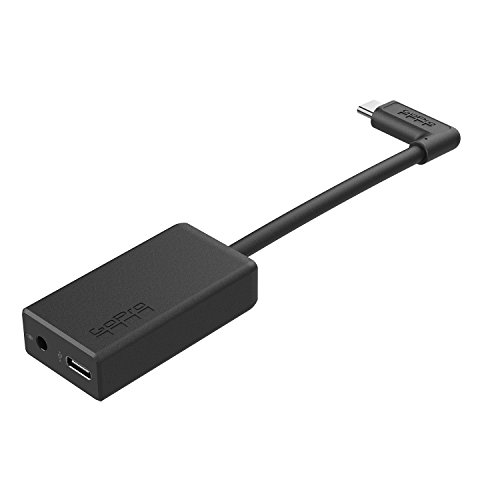
GoPro Pro 3.5mm Mic Adapter for HERO Cameras
GoPro Camera
Mid-Range
PIXEL mic for iPhone & iPad with MFi Lightning
PIXEL
Budget
RDE VideoMic GO II Helix on-camera shotgun mic
Rode
Mid-Range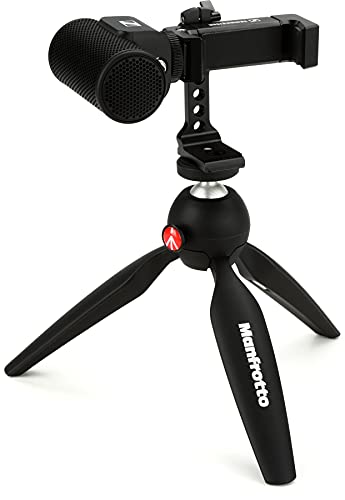
Sennheiser Pro Audio MKE 200 Mobile Kit – Directional On-Camera Mic
Sennheiser
Mid-Range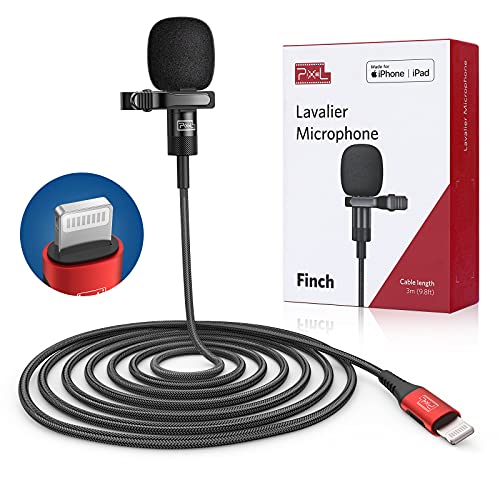
PIXEL lavalier mic for iPhone with MFi (10ft)
PIXEL
Mid-Range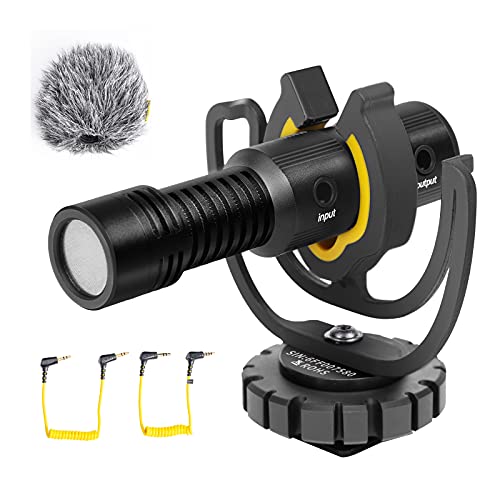
Deity D4 Mini Video Mic
Deity
Mid-Range
Sennheiser MKE 200 directional on-camera mic
Sennheiser
Mid-Range
Deity V-Mic D4 Mini Video Microphone
Deity
Mid-Range
COMICA VM10 PRO Universal Video Microphone
COMICA
Mid-Range
NEEWER Wireless Lavalier Microphone System KM18
NEEWER
Mid-Range
Camera Microphone for DSLR with 3.5mm TRS plug
tikysky
Budget
Movo X1-Mini Video Shotgun Mic for cameras and phones
Movo
Mid-Range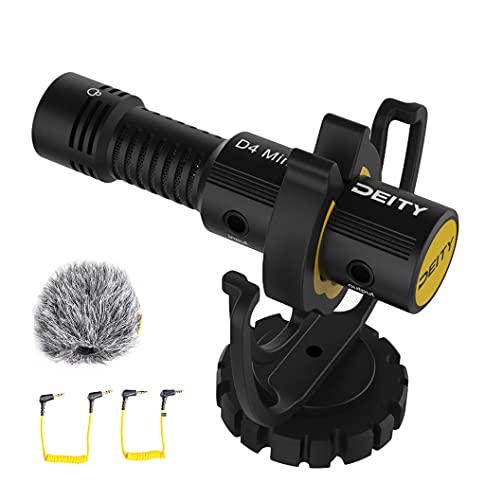
Deity V-Mic D4 Mini on-camera microphone
Deity
Mid-Range
Movo VXR10 External Microphone with 3.5mm/USB
Movo
Mid-Range
Digital Nc stereo microphone (shotgun) for hot-shoe cameras
Digital Nc
Mid-Range
SYNCO Wireless Lavalier Microphone System G1(A2) Pro Dual Pack
SYNCO
Mid-Range
COMICA VM10 PRO Universal Shotgun Microphone
COMICA
Mid-Range
SYNCO G1(A1) 2.4GHz Wireless Lavalier Microphone
SYNCO
Mid-Range
COMICA CVM-V30PRO Professional Shotgun Microphone
COMICA
Mid-Range
Kiorafoto Mic for Sony camcorders (ECM XM1 replacement)
Kiorafoto
Budget
COMICA VM20 Shotgun Microphone with Shock Mount
COMICA
Mid-Range
RDE Wireless ME Dual Set – Ultra-compact wireless mic system (Rode)
Rode
PremiumRoundups
- Best Professional Video Microphones for Run-And-Gun Filmmaking (2026)
- Best Professional Video Microphones for Vlogging (2026)
- Best Professional Video Microphones Under $200 (2026)
- Best Professional Video Microphones Under $100 (2026)
- Best Professional Video Microphones Under $50 (2026)
- Best Professional Video Microphones (2026 Guide)
Frequently Asked Questions
How do I choose the right type of professional video microphone for my shoots?
Select based on application: shotgun mics for on-camera directional pickup, lavalier mics for hands-free dialog, and handheld or stereo mics for interviews and ambient recording; match polar pattern, connectivity (3.5mm, XLR, or wireless), and form factor to your camera or recorder and shooting environment
What are the key specifications to compare when evaluating video microphones?
Compare polar pattern (cardioid, supercardioid, omnidirectional), frequency response, sensitivity/SNR, self-noise, impedance, and whether the mic requires phantom power or battery power; also consider build quality, mounting options, and connector type for compatibility
Do I need a wireless system and what should I consider if I choose one?
Wireless systems add mobility but require attention to transmission range, operating frequency (license requirements may vary by region), battery life, latency, and interference rejection; ensure the receiver is compatible with your camera or recorder and that the system supports secure, reliable audio for your shooting conditions
What is a reasonable budget range for reliable professional video microphones?
Expect a wide range: basic lavalier or shotgun options are available under $100, mid-range professional models commonly fall between $100 and $400, and high-end or broadcast-grade mics and wireless kits can exceed that; choose based on required features and long-term reliability rather than price alone
How can I improve audio quality on location besides buying a better mic?
Use proper placement (close to the source, aimed correctly for directional mics), employ wind protection (deadcat or blimp), minimize handling noise with shock mounts, record with suitable gain levels to avoid clipping, and monitor with headphones to catch issues in real time
What connectors and adapters should I check for camera or recorder compatibility?
Verify whether your camera or recorder accepts 3.5mm TRS/TRRS, XLR, or needs a dedicated wireless receiver; if using XLR or balanced connections, ensure preamps and phantom power support; plan for adapters or an audio interface if connector types differ
How do I care for and maintain a professional video microphone?
Store mics in a dry, padded case, keep windshields and foam clean, remove batteries when unused, avoid dropping or exposing to moisture, and periodically check connectors and cables for wear to maintain performance and lifespan