Radio Antennas
This category covers radio antennas for vehicles, marine and base stations, including whip, beam, and antenna-matching accessories used in amateur, marine, and commercial communications. Products range from budget to premium options (avg $86) and include brands like Tram and Diamond Antenna among 208 indexed items with an average rating of 4.45
Top Products

Tram Center-Load Stainless CB Antenna Kit with 3-1/2-in. Magnet
Tram
Budget
MXTA26 MicroMobile 1.5 inch base antenna (32 in) 6dB gain
Midland
Mid-Range
Midland MXTA25 3DB Ghost Antenna for GMRS
Midland
Mid-Range
MS135 SuperWire antenna wire 135 ft, PTFE, #18 stranded
Super Antenna
Mid-Range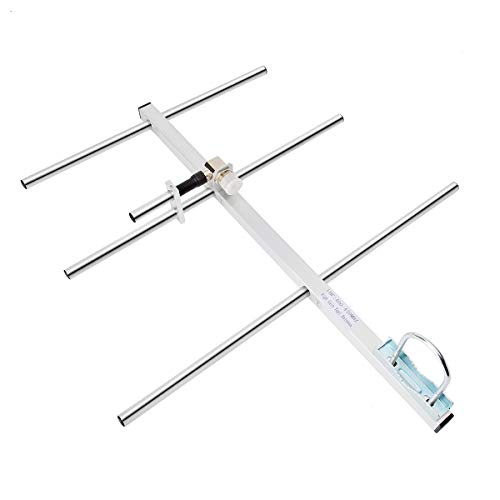
TWAYRDIO UHF Yagi Antenna 400-470MHz, 7dBi Gain
UAYESOK
Budget
Marine VHF Antenna Mounts: Ratchet Mount, 316 Stainless
ZOMCHAIN
Budget
Tram-Browning BR-176-S 200W UHF Antenna with Mount, Silver
Browning
Budget
Wilson 305-495 T2000 Series CB Antenna, 3500W, 49" Stainless Whip
Wilson
Mid-Range
Phenyx Pro BNC Antenna Kit with 4 cables, 50 cm
Phenyx Pro
Mid-Range
XRDS-RF Antenna Wall Mount 12-Inch Heavy-Duty
XRDS -RF
Budget
President Virginia magnetic CB antenna
President
Mid-Range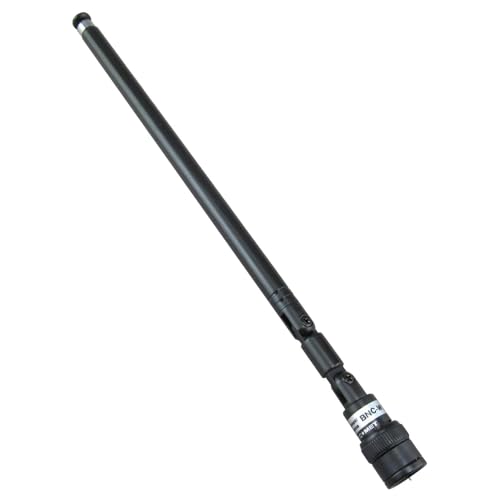
Comet BNC-W100RX Handheld Scanner Antenna
Comet
Budget
TWAYRDIO UHF 400-470MHz 9dBi Yagi Antenna
UAYESOK
Mid-Range
XRDS-RF Antenna Pole Mount Bracket with U-Bolts (3 Sets)
XRDS -RF
Budget
2 ft fiberglass CB radio antenna with heavy-duty spring
Prostick
Budget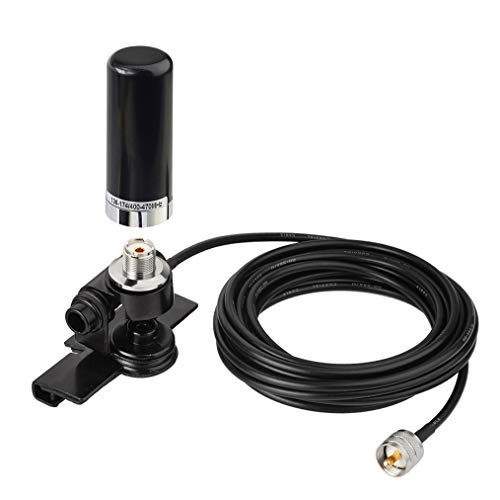
Bingfu Vehicle Ham Antenna VHF-UHF 136-174/400-470MHz with Lip Mount
BINGFU
Budget
Winegard Tripod Mount for Antenna
Winegard
Mid-Range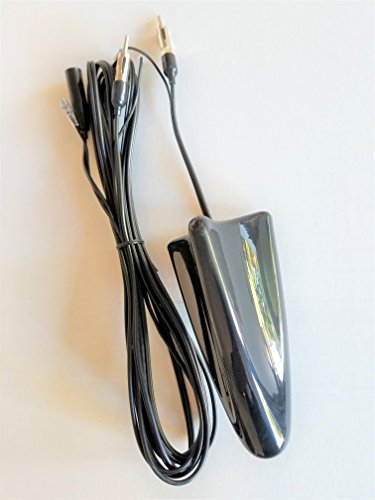
Shark Fin AM FM Amplified Antenna for Car, Marine, Truck
Powerhouse TEP USA
Budget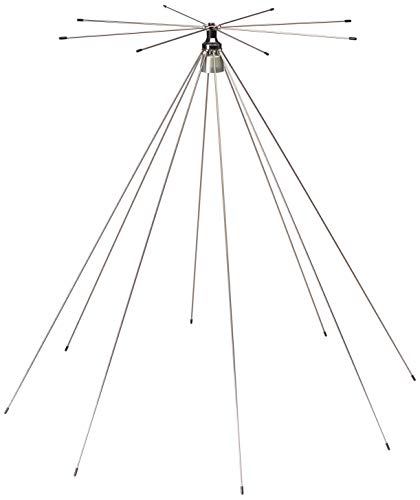
Tram broad-band 200W discone antenna
Tram
Mid-Range
MLA-30+ Loop Antenna with 0.5-30MHz ALA, 10m Feeder, Built-in LNA
DmgicPro
Mid-Range
Proxicast X-Boom MIMO Antenna Mast Cross-Over Bracket Kit
Proxicast
Budget
Audiotek Waterproof Power AM/FM Radio Mast Antenna
AUDIOTEK
Budget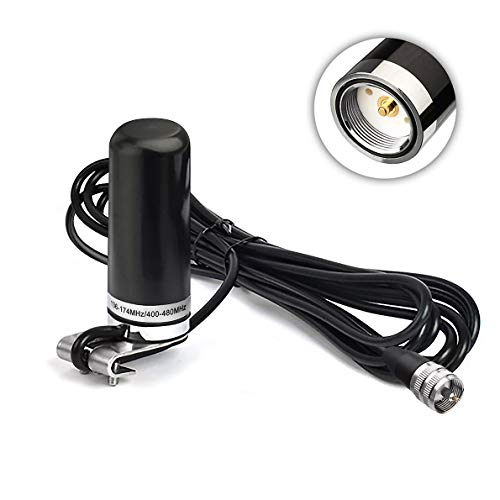
Bingfu Vehicle Ham Mobile Radio Antenna Dual Band Lip Mount
BINGFU
Budget
Tram 25 MHz–1,300 MHz Glass-Mount Antenna for CB/scanner
Tram
Mid-RangeRoundups
Frequently Asked Questions
How do I choose the right type of radio antenna for my needs?
Choose based on application (vehicle, marine, base/stationary, portable), frequency band (VHF/UHF/HF/AM/FM), required gain and range, mounting constraints, and whether you need omnidirectional or directional coverage; match the antenna impedance (usually 50 Ω) and connector type to your radio
What factors affect antenna performance and reception quality?
Performance depends on antenna gain, height and placement, line-of-sight to transmitter, operating frequency, cable quality and length, and proper grounding or grounding plane for some types; interference and nearby metal structures can also reduce reception
How much should I expect to spend on a reliable antenna?
Prices vary by type and build quality: you can find budget options under $50, mid-range antennas commonly around the category average (about (price varies)), and professional or specialized antennas that cost several hundred dollars
What connectors and coaxial cable should I use with my antenna?
Use the connector specified by both antenna and radio (common types include SO-239/PL-259, SMA, NMO, BNC) and choose low-loss coax appropriate for the frequency and run length (e.g., RG-58 for short runs, RG-8X or LMR-400 for longer runs) to minimize signal loss
Do I need an antenna tuner or amplifier?
An antenna tuner is helpful when the antenna's impedance or resonant frequency doesn't match the radio to improve transmit efficiency; amplifiers (preamps) can improve receive sensitivity in weak-signal situations but can also amplify noise and may require compatible filtering
How should I install and maintain a radio antenna for longevity?
Install according to mounting and grounding guidelines, secure all fittings, use weatherproof connectors and sealants on outdoor joints, periodically inspect for corrosion or loose hardware, and replace damaged coax or components promptly
What legal or safety considerations should I be aware of?
Ensure your antenna installation complies with local zoning and building codes, avoid placing antennas near power lines, follow radio transmission licensing rules for transmitters, and use proper grounding and lightning protection to reduce risk