RAID Controllers
RAID Controllers: hardware and add-in cards that manage disk arrays and implement RAID levels for servers, workstations, and storage enclosures. Category spans budget to premium options (avg $113) across brands like LSI Logic and Dell, with 58 products indexed and a 4.66 average rating
Top Products

HP H240 Smart HBA Storage Controller Plug-in Card Low Profile
HP
Mid-Range
BEYIMEI 6-port PCIe SATA Card ASM1166 low profile
BEYIMEI
Budget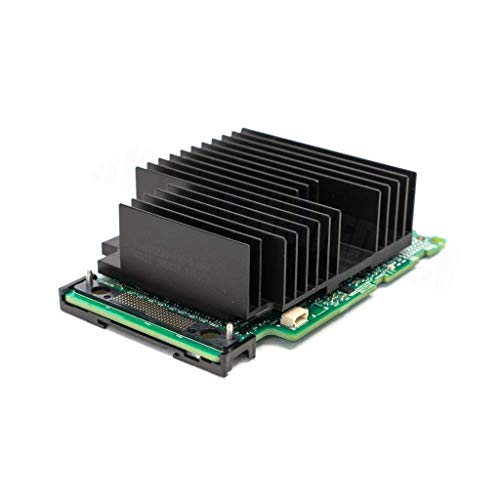
Dell PERC H330 Mini RAID Controller 12Gbps 512MB Cache (Renewed) GDJ3J
Dell
Budget
PERC H710 6Gbps SAS/SATA RAID Controller Mini Mono
Dell
Mid-Range
LSI SAS 9207-8i 8-Port Internal PCIe RAID Controller Card
LSI Logic
Mid-Range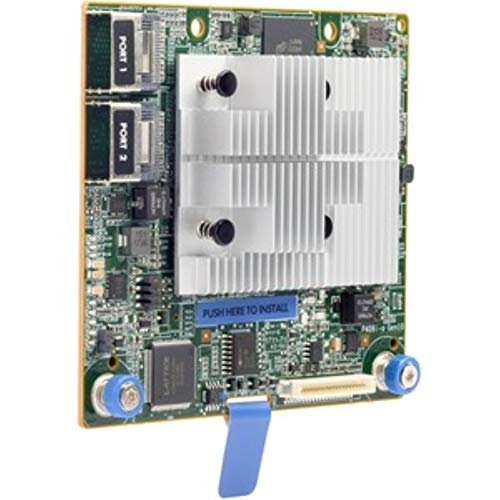
HP Smart Array P408i-A SR Gen10 RAID Controller
HEWLETT PACKARD
Mid-Range
12G PCIe SAS/SATA HBA Controller Card (Broadcom SAS 3008) for 9300-8I
10Gtek
Mid-Range
Raid RAID Controllers product
Raid
Mid-Range
ASUS Hyper M.2 x16 Gen5 PCIe RAID Card
ASUS
Mid-Range
HPE Smart Array E208i-a SR Gen10 8 Internal Lanes/No Cache 12G SAS Controller
Hewlett Packard Enterprise
Mid-Range
Internal PCIe SAS/SATA HBA RAID Controller Card (SAS2008) 6Gbps
10Gtek
Mid-Range
Dell Perc H200 6Gbps SAS/Sata Raid Controller
Dell
Mid-Range
LSI 9300-16i 16-Port 12Gb/s SAS Controller HBA Card
LSI
Mid-Range
LSI Logic 9750-4i 8-Port SATA RAID Controller
LSI Logic
Mid-Range
Adaptec ASR-7805 SAS/SATA RAID Controller Card
EbidDealz
Mid-Range
LSI 9210-8i 8-port 6Gb/s PCIe HBA RAID SATA Controller card
LSI
Budget
LSI MegaRAID SAS 9361-8i 8-Port 12Gb/s RAID Controller
LSI
Mid-Range
LSI SAS RAID Controller 4-Port SAS9260-4I PCIe 2.0
LSI
Mid-Range
LSI MegaRAID SAS 9260-4i 4-Port 6Gb/s Internal PCI-Express SGL RAID Adapter
LSI Logic
Mid-Range
LSI 9300-16i HBA PCIe SATA+SAS controller card
N\P
Mid-Range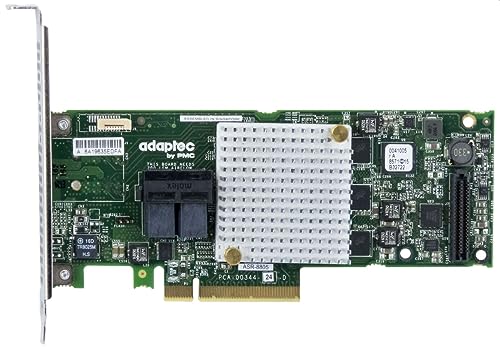
Adaptec ASR-8805 8-Port RAID/HBA Card
Adaptec
Mid-Range
Megaraid SAS 9240-8I single
LSI Logic
Mid-Range
LSI Logic SAS9200-8E 2 X SFF-8088-Ports 8-Ports Ext PCI-E 2.0
LSI Logic
Mid-Range
HP Smart Array P222/512 FBWC SAS Controller (631667-B21) 1-Port Internal/External
HP
Mid-RangeRoundups
Frequently Asked Questions
How do I choose the right RAID controller for my server or desktop?
Match the controller to your interface (PCIe, SAS, SATA), the number and type of drives you plan to use, required RAID levels (0,1,5,6,10, etc.), and whether you need hardware RAID with onboard cache or a software/host RAID solution; also confirm physical compatibility with your system's form factor and power budget
What are the differences between hardware RAID and software RAID controllers?
Hardware RAID controllers have their own processor and often onboard cache to offload parity and rebuild tasks, improving performance and reliability under load; software RAID relies on the host CPU and OS drivers, which can be cheaper and flexible but may use more system resources and offer different feature sets
Which RAID levels should I consider for performance versus redundancy?
Use RAID 0 for maximum performance with no redundancy, RAID 1 for mirroring and simple redundancy, RAID 5 or 6 for a balance of capacity and fault tolerance (single or double parity), and RAID 10 for combined mirroring and striping when you need both high performance and redundancy
How important is battery backup or cache protection on a RAID controller?
Battery backup units (BBU) or non-volatile cache protectors safeguard write cache during power loss, preventing data loss and ensuring write-back caching can be safely used to improve performance; controllers without cache protection typically run in safer but slower write-through mode
Can I mix different drive types and sizes on the same RAID controller?
Controllers generally allow mixed drive types (SATA/SAS) but performance and capacity will be constrained by the slowest and smallest drives in an array; for best results, use matching drive models and sizes or create separate arrays per drive type
What maintenance and monitoring should I plan for RAID controllers?
Regularly monitor controller firmware, driver updates, SMART and array health status, replace failed drives promptly, and schedule periodic backups; many controllers provide management utilities or SNMP integration for alerts and proactive monitoring
How much should I budget for a RAID controller and what brands are common?
Prices vary by features and performance—entry-level controllers can be below $100 while enterprise models run higher; common reputable brands in this category include LSI/LSI Logic, Dell, HP, and Adaptec, which offer a range from consumer to enterprise options