Rainsticks
This category features rainsticks — elongated percussion instruments and electronic/gadget hybrids that simulate cascading water sounds for music, relaxation, or sound design. About 20 products are indexed, with an average rating of 4.55 and mid-range pricing (roughly $35–$118); brands include Terre and Africa Heartwood Project
Top Products

Bamboo Rain Stick — 32" paint
Terre
Mid-Range
Africa Heartwood Project 30" Cactus Rainstick
Africa Heartwood Project .org
Budget
Bamboo Rain Stick Rainmaker (24" paint)
Terre
Mid-Range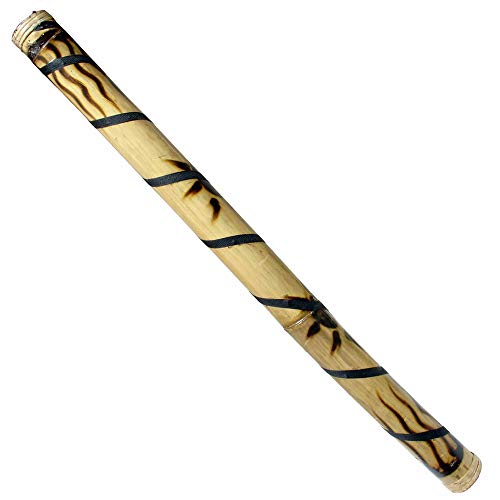
Rain Stick Bamboo Music 36 Inch
Stoneage Arts
Budget
Bamboo Rain Stick (48" burned) by Terre
Terre
Mid-Range
Terre Bamboo Rain Stick (40") Rain Maker
Terre
Mid-Range
Bamboo Rain Stick, Rain Maker (30" Cave) by Terre
Terre
Mid-Range
Bamboo Rain Stick Rain Maker (59" paint) Terre
Terre
Mid-Range
Bamboo Rain Stick by Terre (48")
Terre
Mid-Range
Bamboo Rain Stick, Rain Maker (40" Cave) - Terre
Terre
Mid-Range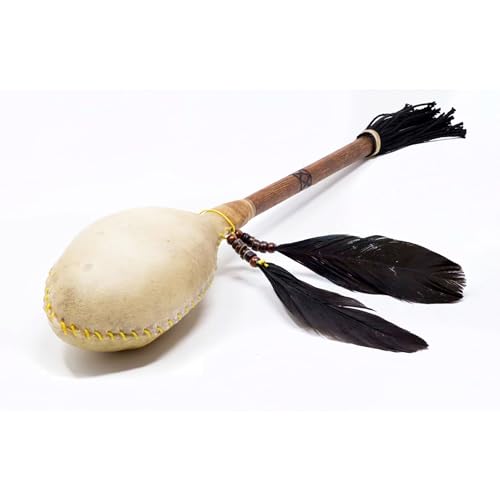
Shaman Shakers Rain/Ocean, goat skin, 11-13 in (Rain Medium)
Terre
Budget
Shaman shaker Rain/Ocean goat skin, three sizes (Rain Large)
Terre
Mid-Range
Bamboo Rain Stick (59" Cave) by Terre
Terre
Mid-Range
Africa Heartwood Project 40" Cactus Rainstick
Africa Heartwood Project
Mid-Range
12 Inch steel tongue drum in D major
MENGBEI
Mid-Range
Rain Stick Rain Maker, 30 inch
Terre
Mid-Range
Rain Stick Rain Maker 20 inch (Large) by Terre
Terre
Mid-Range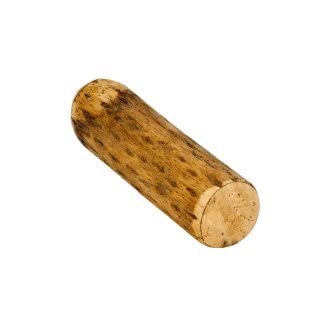
Rain Stick Rain Maker (10 inch, Large) by Terre
Terre
Budget
Rain Stick Rain Maker (30 inch, Large) by Terre
Terre
Mid-Range
Rain Maker Rainstick 59 inch (Large) by Terre
Terre
Mid-RangeRoundups
Frequently Asked Questions
How do I choose the right rainstick for musical use or decoration?
Consider length (longer sticks produce longer, deeper rain sounds), material (cactus, bamboo, or wood affect tone and weight), and construction quality (internal pins/pebbles and seal integrity). For musical use choose consistent, well-sealed sticks with clear, repeatable sound; for decoration prioritize visual finish and mounting options
What size and material options are common and how do they affect sound?
Common sizes range from about 12 to 48 inches; shorter sticks sound quicker and higher-pitched while longer ones give slower, deeper rain. Materials like cactus or hollowed wood tend to produce warmer, organic tones, while bamboo and synthetic tubes can be brighter or more consistent
Are rainsticks durable enough for regular use and travel?
Durability depends on material and build: solid hardwood or reinforced synthetic shells tolerate handling and travel better than thin untreated bamboo or fragile cactus. Check for sturdy end caps, a well-fastened internal structure, and protective finishes if you plan to transport or use the stick frequently
What should I look for regarding playability and control?
Look for a comfortable grip, balanced weight, and even internal distribution of pebbles or beads for smooth sound. Some sticks allow variation in angle and speed to control intensity; try to choose one with predictable response and no rattling from loose components
How do I clean and maintain a rainstick?
Keep it dry and avoid direct prolonged sunlight; wipe the exterior with a soft, dry or slightly damp cloth and avoid submerging. If the stick has loose end caps or cracks, have them repaired to prevent internal material loss; apply appropriate wood oil or finish sparingly to wooden sticks if recommended by the maker
What price ranges should I expect and how do they correlate with quality?
Rainsticks in this category typically range from budget options under $30 to higher-quality handcrafted or branded pieces above $100, with an average around $55. Higher prices often reflect longer length, premium materials, artisan construction, or brand reputation, but midrange sticks can offer good tone and durability
Are there important ethical or sourcing considerations to check?
Yes; verify whether materials like cactus or certain hardwoods are harvested sustainably and whether the maker supports fair labor. Many listings or brands will note reclaimed materials, certified wood, or community-based sourcing—look for that information if sustainability and ethics matter to you