Recording Studio Acoustical Treatments
Acoustical treatment for recording studios including foam panels, bass traps, diffusers, isolation pads and cloud panels designed to control reflections and low‑frequency buildup. The category lists 1,211 products across budget to premium price tiers (avg $132) and features brands like ATS Acoustics. Average rating about 4.39
Top Products

Studio monitor isolation pads for 6.5"-8" speakers (2 pads)
VOCALBEAT
Budget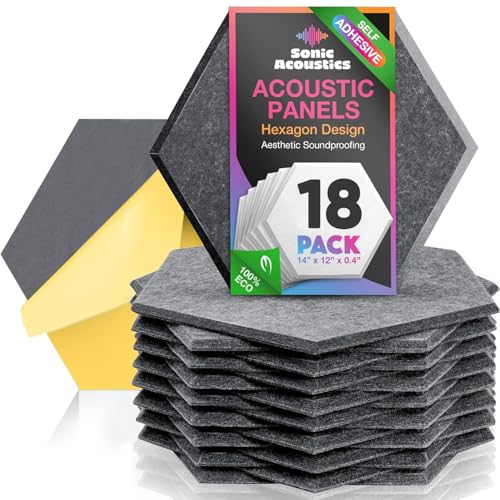
Self-Adhesive Hexagon Acoustic Panels, 18 Pack (Dark Gray) 14x12x0.4"
Sonic Acoustics
Mid-Range
Acoustic Panels 18 Pack - 14x12x0.4 in Hexagon, Self-Adhesive Sound Absorbers (Black)
Sonic Acoustics
Mid-Range
Liquid Stands Studio Monitor Isolation Pads (6"-8")
Liquid Stands
Budget
Pyle Speaker Risers - Foam dampening platform pads (2-pack) for speakers
Pyle
Budget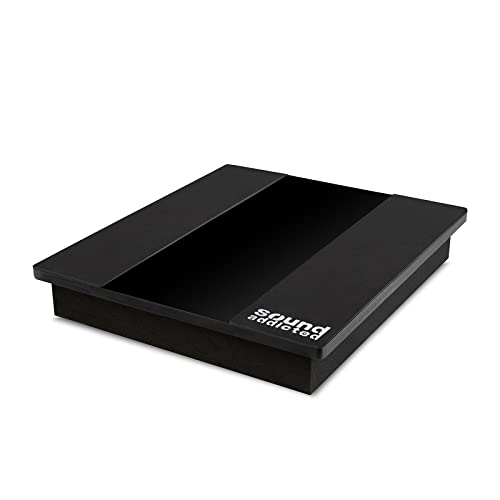
Sound Addicted VibeBoss P10 subwoofer isolation pad
Sound Addicted
Mid-Range
TroyStudio Portable Vocal Booth - Foldable Desk Studio Shield
TroyStudio
Mid-Range
Auralex MoPAD-XL Monitor Isolation Pads
Auralex
Mid-Range
Dmsky Recording Microphone Isolation Shield with Pop Filter & Tripod Stand
Dmsky
Mid-Range
2-layer soundproof wall panels 12x12x0.43 in (8-pack) black & white
BSHEAD
Budget
Sound Addicted VibeBoss P12: 12-15 inch subwoofer isolation pad
Sound Addicted
Mid-Range
Gator Frameworks Acoustic Foam Isolation Pads for Studio Monitors
Gator Frameworks
Mid-Range
Self-Adhesive Soundproof Wall Panels (12 pack) 12x12x0.47 in
BSHEAD
Budget
Acoustic Panels 12-Pack - 14"x12.1"x0.4" Turquoise Hexagon
Ekkogo
Budget
Aokeo Studio Mic Isolation Shield with Pop Filter
Aokeo
Budget
Large Felt Bulletin Board 12-pack 48x36
Fluxynara
Budget
Studio isolation shield with pop filter and stand (AO-504, for condenser mics)
Aokeo
Mid-Range
Self-Adhesive Soundproof Wall Panels (12pack) 12x12x0.47 in
BSHEAD
Budget
12 Pack Self-Adhesive Soundproof Wall Panels, 12 x 12 x 0.47 in
BSHEAD
Budget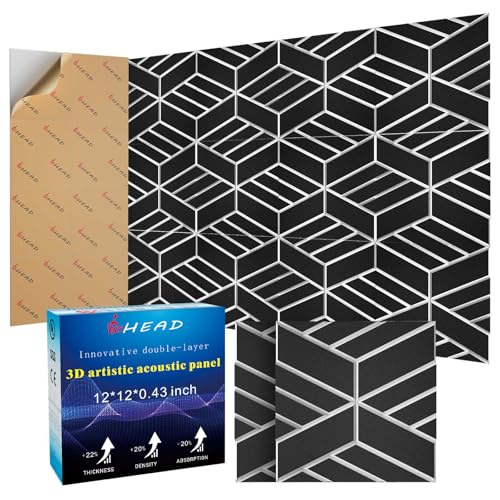
2-layer soundproof wall panels, 12x12x0.43 in (8 pack)
BSHEAD
Mid-Range
Aokeo Microphone Isolation Shield with Foldable Design
Aokeo
Mid-Range
ATS Acoustics 24x48x2 Acoustic Panel, Beveled Edge (Black)
ATS Acoustics
Mid-Range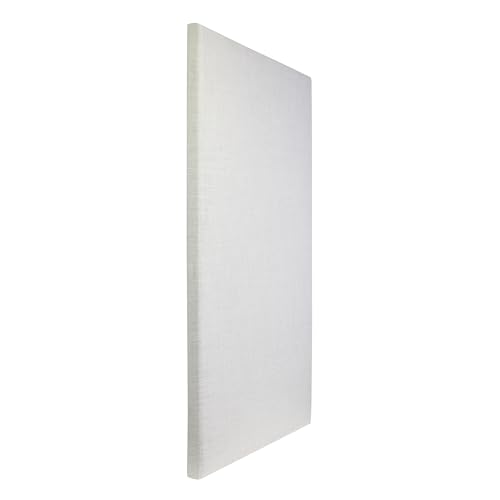
Acoustic Panel 24x48x2 Beveled Ivory
ATS Acoustics
Mid-Range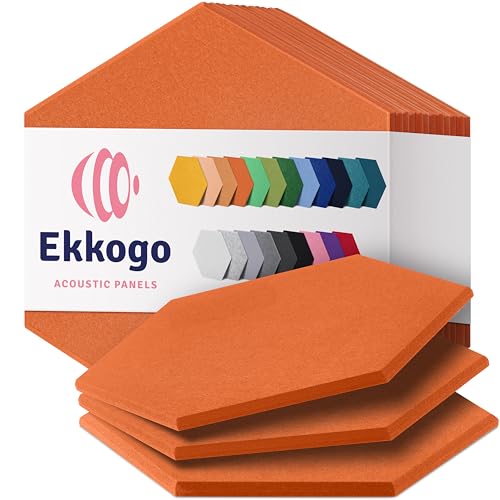
Acoustic Panels 12-Pack - High Density Wall Panels (14x12.1x0.4) in Poppy Orange Hexagon
Ekkogo
BudgetRoundups
- Best Recording Studio Acoustical Treatments for Home Recording (2026)
- Best Recording Studio Acoustical Treatments Under $200 (2026)
- Best Recording Studio Acoustical Treatments Under $100 (2026)
- Best Recording Studio Acoustical Treatments Under $50 (2026)
- Best Recording Studio Acoustical Treatments (2026 Guide)
Frequently Asked Questions
How do I choose the right type of acoustical treatment for my recording studio?
Match treatment to the problem: use bass traps for low-frequency buildup in corners, broadband absorbers for mid-to-high reflections on side and rear walls, and diffusers for preserving lively room sound without deadening. Measure room dimensions and perform simple tests (clap test or smartphone room analysis app) to find flutter echoes and resonant frequencies before buying
What materials and NRC ratings should I look for when comparing absorbers?
Common materials include fiberglass, mineral wool, acoustic foam, and fabric-wrapped panels; look for Noise Reduction Coefficient (NRC) values to compare absorption (0 to 1 scale). For general studio control, panels with NRC around 0.6–0.9 are effective across mid-to-high frequencies, while thicker/denser products or multi-layer assemblies are needed for low-frequency absorption
How many panels or how much treatment do I need for a small control room or project studio?
A practical starting point is treating first reflection points on the sides and ceiling, adding two bass traps in front and rear corners, and placing a few rear-wall absorbers or diffusers; this typically equates to 6–12 standard panels for small rooms. Use incremental placement and listening/tests to add more treatment where imbalance or lingering reverb remains
Are DIY acoustical treatments a good alternative to pre-built products?
DIY options (e.g., building frames filled with mineral wool or rockwool and fabric-wrapping) can match commercial performance if proper materials and thicknesses are used and panels are properly sealed and mounted. Consider fire ratings, safe handling of insulation materials, and the time/skill required when comparing labor and cost to factory-made panels
How should I mount and place treatments to avoid damaging walls or affecting studio ergonomics?
Use adhesive Velcro, Z-clips, picture-hangers, or wall anchors sized for panel weight and follow manufacturer mounting guidelines; leave a small air gap behind thick absorbers for improved low-frequency performance. Plan placement to preserve console sightlines and equipment access, and avoid blocking ventilation or cable runs
What maintenance is required for acoustical treatment products?
Maintenance is minimal: keep panels dust-free with occasional vacuuming using a brush attachment or gentle lint rolling; check fabric for stains and spot-clean per manufacturer instructions. Avoid prolonged exposure to moisture and direct sunlight to prevent degradation and color fading
How do I balance absorption and diffusion so the room doesn't sound too dead?
Combine absorption at first-reflection points and bass control with strategically placed diffusers on the rear wall or ceiling to scatter remaining mid/high reflections; aim for controlled reverberation rather than total absorption. Start with absorption near the source and listening position, then add diffusion until you regain natural ambience without comb filtering or harsh reflections