Serial Adapters
Serial adapters for connecting and converting serial interfaces (RS-232, RS-485, TTL/USB) used in industrial, networking, and embedded electronics. The category includes cables, USB-to-serial converters and multiport adapters, with 32 products averaging a 4.57 rating and prices typically $33–$450; brands include PUSR and StarTech
Top Products

USB to RS232 adapter with FTDI chipset
StarTech
Mid-Range
DB9 Male Breakout Connector with Case
ANMBEST
Budget
DB9 breakout connector set (5 male + 5 female) with case
ANMBEST
Budget
Gearmo 4 Port USB to RS232 Adapter with FTDI
Gearmo
Mid-Range
DB15 Solderless Connector 15-pin Breakout Board with Case
ANMBEST
Mid-Range
DB9 Female Breakout Connector 10-pack
ANMBEST
Budget
4 Port USB to RS232 DB9 Serial Adapter Cable (5ft) ELECABLE
ELECABLE
Budget
USB/RS232/TLL to RS232/485/TLL Multibus Converter
waveshare
Budget
DB9 Solderless Breakout Connector 3Male+3Female 9-pin
Dbilida
Budget
DR302 DIN Rail Modbus Gateway: RTU to TCP RS485 to Ethernet
PUSR
Mid-Range
DB9 breakout connector set, solderless RS232 D-sub female adapters (9-pin) case 10
YIOVVOM
Budget
USR-TCP232-306 Serial to Ethernet Device Server
PUSR
Mid-Range
StarTech 2-port USB to RS232 serial adapter (DIN rail, wall-mount)
StarTech
Mid-Range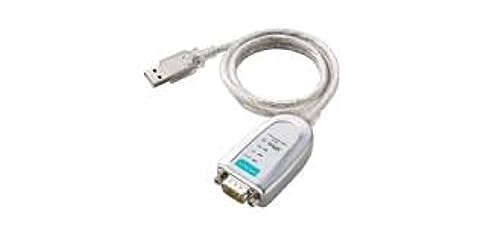
Moxa UPort 1110-1 RS-232 USB-to-Serial Converter
Moxa
Mid-Range
DB9 breakout connector set of 10
YIOVVOM
Budget
DB9 breakout connector solderless RS232 D-SUB 9-pin adapter (set of 10)
YIOVVOM
Budget
COMMFRONT USB to RS422/RS485 Adapter with FTDI Chipset
COMMFRONT
Budget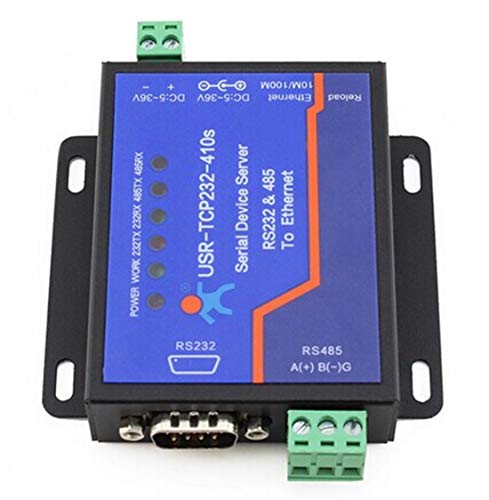
RS232/RS485 to Ethernet Adapter (1) - 2 serial ports, web configure
PUSR
Mid-Range
Taidacent Serial to CAN Module with RS232/RS485/CAN interfaces
Taidacent
Mid-Range
TCP232-306 Serial to Ethernet Gateway
PUSR
Mid-Range
DTECH RS232 to RS485/RS422 Converter with RJ45
DTECH
Mid-Range
Usr-Tcp232-410S Serial to Ethernet Adapter (RS232/RS485) UAV
PUSR
Mid-Range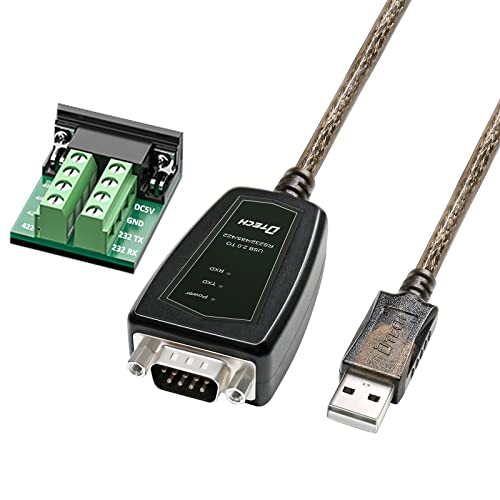
DTech USB to Serial Adapter 3 in 1 (RS232/RS485/RS422) with Breakout Board
DTech
Budget
RS232/RS485 Modbus Gateway to Modbus TCP
PUSR
Mid-RangeRoundups
Frequently Asked Questions
What is a serial adapter and when do I need one?
A serial adapter converts between a device's serial interface (RS-232, RS-485, TTL, USB-C, etc.) and another interface so you can connect legacy equipment, industrial sensors, or microcontrollers to modern computers or networks; choose one when your device's connector or signal voltage doesn't match your host
How do I choose the right serial standard (RS-232 vs RS-485 vs TTL)?
Match the adapter to the device's signaling: RS-232 is common for point-to-point short-distance serial with ± voltage levels, RS-485 supports multi-drop and longer runs with differential signaling, and TTL (e.g., 3.3V or 5V) is for direct microcontroller connections; check the equipment documentation for required standard and voltage levels
What connectivity and connector features should I look for?
Look for the physical connector type you need (DB9, RJ45, USB-A/USB-C, screw terminals), supported baud rates, flow control (RTS/CTS), and whether the adapter provides isolation, conversion between voltage levels, or built-in surge protection for industrial environments
Do I need an isolated serial adapter and when is isolation necessary?
Isolation protects equipment and users from ground loops, high common-mode voltages, and electrical noise; choose an isolated adapter when connecting to industrial machinery, long cabling runs, different power systems, or when safety regulations require isolation
Are drivers and operating system compatibility important?
Yes — ensure the adapter has drivers for your operating system (Windows, macOS, Linux) or uses a class-compliant chipset that requires no additional drivers; check for updated driver support if you use newer OS versions
How reliable are serial adapters and what maintenance do they need?
Serial adapters are generally low-maintenance; reliability depends on build quality and environment — keep connectors clean, avoid exposure to moisture or extreme temperatures, and inspect cable strain reliefs; for industrial use, choose rugged or IP-rated models
What price range should I expect and how does price relate to features?
Serial adapters typically range from budget options under $50 up to several hundred dollars for industrial or isolated units; higher-priced models commonly add features like optical isolation, higher baud-rate support, durable connectors, and certified compliance