Serial Cables
Serial cables for connecting serial devices and legacy ports, including RS-232/RS-485 adapters, DB9/DB25 leads, and USB-to-serial converters. Nineteen products averaged 4.47 stars, with prices ranging roughly $32–$215 and brands like StarTech and Custom Cable Connection represented
Top Products
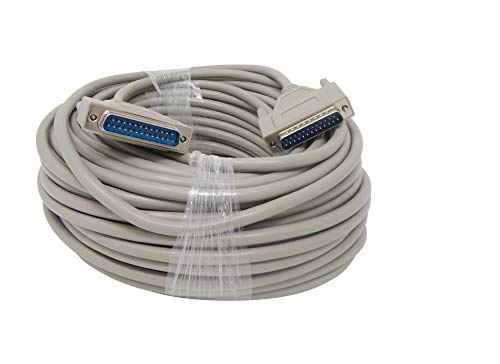
DB25 serial cable 100 ft male-to-male RS232
Your Cable Store
Mid-Range
LINKUP PCIe 5.0 riser cable for vertical GPU mount
LINKUP
Mid-Range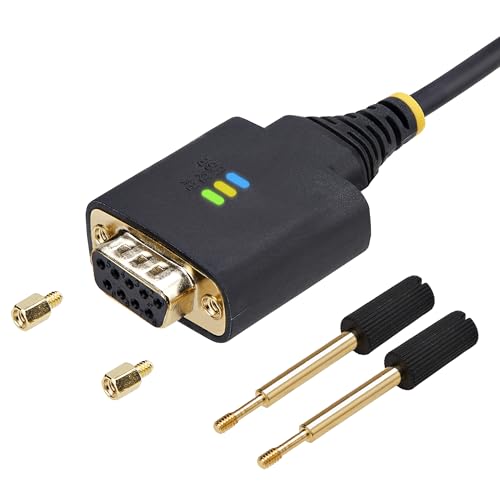
StarTech USB-A to RS232 serial adapter with changeable DB9 screws
StarTech
Mid-Range
USB to RS485 Serial Cable with TX/RX LEDs (1.5m) EZSync
EZSync
Budget
DB9 to 3.5mm serial cable, 6 ft, 5-pack (LIANSHU)
LIANSHU
Budget
PCIe 4.0 x4 extension cable with metal shield
ADTLINK
Mid-Range
Industrial DB9 RS232 serial cable with bare wires, 25 ft
CompuCablePlusUSA
Budget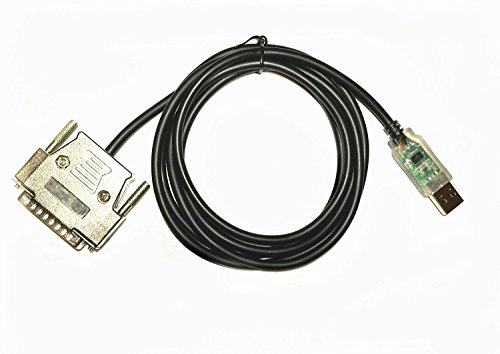
USB to RS232 CNC programming cable (DB25 Male) EZSync014C
EZSync
Mid-Range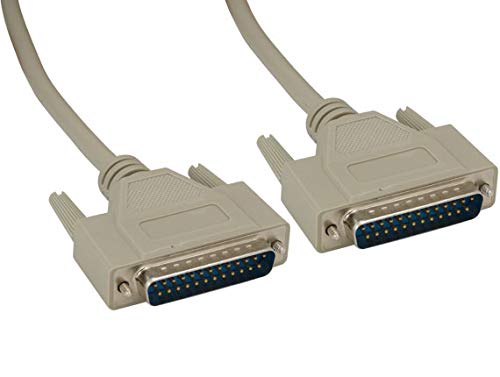
DB25 M/M RS-232 Serial Cable (100 Foot) 28 AWG 25 Conductors
Cable Leader
Mid-Range
DB9 male to female RS232 extension cable, 12 ft
Custom Cable Connection
Mid-Range
M.2 A.E. to mini-PCIe extension cable for mPCIe WiFi card
ADTLINK
Budget
Industrial RS232 DB9 Cable with bare wire ends, 35 ft
CompuCablePlusUSA
Mid-Range
Honeywell 2K36118 Serial Cable
Honeywell
Budget
StarTech USB to DB9 RS232 adapter cable (1m) with interchangeable screws
StarTech
Mid-Range
40 Foot DB9 Male to Female RS232 Extension Cable
Custom Cable Connection
Mid-Range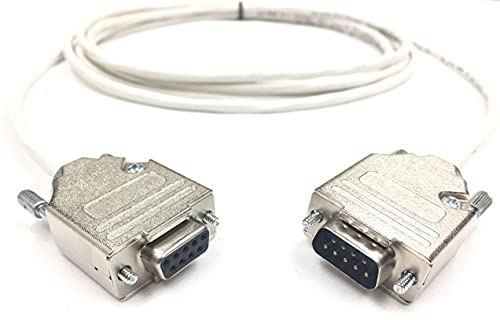
DB9 male to female RS232 extension cable, 6 ft, 22 AWG, plenum white
Custom Cable Connection
Mid-Range
DB9 Male to Female RS232 extension cable, 22 AWG, plenum jacket
Custom Cable Connection
Mid-Range
Topaz Signature Lite 1x5 T-S460-B-R with Serial/RS232 cable
TOPAZ
Mid-Range
DB9 male to female RS232 extension cable, 22 AWG, plenum white
Custom Cable Connection
PremiumRoundups
Frequently Asked Questions
How do I choose the right serial cable for my device?
Match the connector types (e.g., DB9, DB25, RJ45, USB-to-serial) and pinout to your device, confirm required signal levels (RS-232, RS-422, RS-485), and check cable length and shielding needs based on distance and electrical noise
What is the difference between RS-232, RS-422, and RS-485 serial cables?
RS-232 is for short-distance, point-to-point links with single-ended signaling; RS-422 supports longer distances and higher speeds with differential signaling for one transmitter and multiple receivers; RS-485 is differential and multi-drop, designed for noisy environments and multi-node networks
Do I need a null-modem or straight-through serial cable?
Use a straight-through cable when connecting a DTE device to a DCE device (e.g., computer to modem); use a null-modem cable to cross TX/RX and other control lines when connecting two DTE devices (e.g., computer to computer) without intermediaries
How does shielding and cable construction affect performance?
Shielding (foil or braid) reduces electromagnetic interference, improving reliability in noisy environments; twisted pairs and overall build quality help maintain signal integrity over longer runs and at higher data rates
Can I use a USB-to-serial adapter with my modern laptop?
Yes, USB-to-serial adapters convert USB ports to serial interfaces; verify the adapter supports the serial standard and drivers for your operating system, and choose models with stable chipset support (e.g., common FTDI or Prolific-based adapters)
What cable length and data rate can I expect for reliable communication?
Reliable length depends on the standard: RS-232 is typically limited to about 15 meters at lower baud rates, while RS-422/RS-485 can reach hundreds of meters at moderate speeds; higher data rates reduce maximum practical distance
How should I maintain and test serial cables to ensure they work?
Visually inspect connectors and strain reliefs, avoid sharp bends and kinks, keep contacts clean, and use a continuity or loopback tester to verify pinouts and signal integrity before deployment