SLR Camera Lenses
SLR Camera Lenses for electronics and gadget users, covering manual and autofocus lenses for DSLR systems across focal lengths and mounts. The category lists 315 products with an average rating of 4.52 and price tiers from budget to premium (about $35–$3,399). Top brands include TTARTISAN and Canon among others
Top Products

Canon EF 50mm f/1.8 STM lens (International) 50mm portrait fast lens
Canon
Mid-Range
Canon EF 50mm f/1.8 STM Lens
Canon
Premium
Canon EF-S 24mm f/2.8 STM Lens
Canon
Premium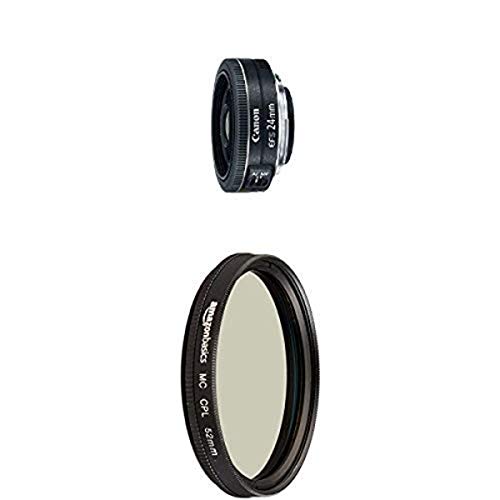
Canon EF-S 24mm f/2.8 STM with CPL
Canon
Premium
Nikon 35mm f/1.8G AF-S DX lens
Nikon
Premium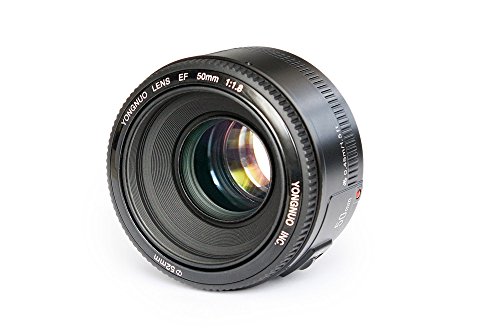
YONGNUO 50mm F1.8 AF Lens for Canon EF
YONGNUO
Mid-Range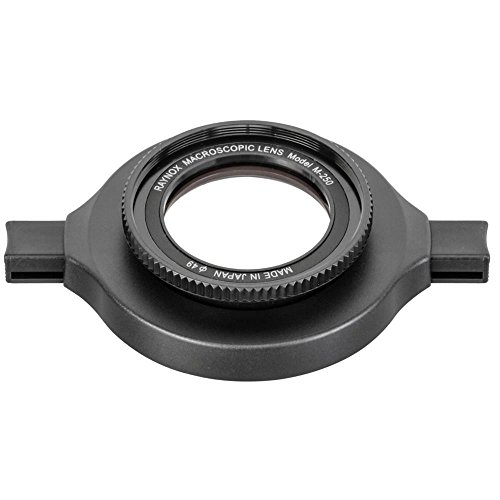
Raynox DCR-250 macro snap-on lens
Raynox
Mid-Range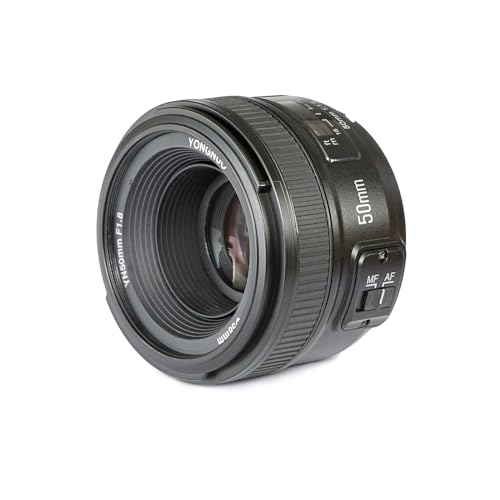
YONGNUO 50mm F1.8N prime lens for Nikon
YONGNUO
Mid-Range
Canon EF-S 10-18mm f/4.5-5.6 IS STM Lens
Canon
Premium
Canon EF 50mm f/1.4 USM lens for Canon SLR
Canon
Premium
Sigma 16mm f/1.4 DC DN Contemporary for Sony E
Sigma
Premium
Sigma 16mm f/1.4 DC DN Contemporary for Sony E lens
Sigma
Premium
Canon RF 75-300mm f/4-5.6 telephoto zoom lens for RF mount
Canon
Premium
Rokinon 8mm f/3.5 HD Fisheye Lens for Canon
Rokinon
Premium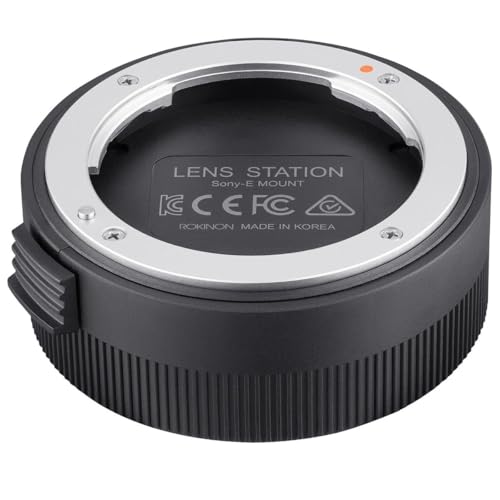
Rokinon Auto Focus Lens Station for Sony E Lenses
Rokinon
Budget
Canon EF-S 18-55mm f/3.5-5.6 II lens
Canon
Mid-Range
Sony E 55-210mm f/4.5-6.3 lens for Sony E-mount
Sony
Premium
Nikon 18-105mm DX VR lens for Nikon DSLR
Nikon
Premium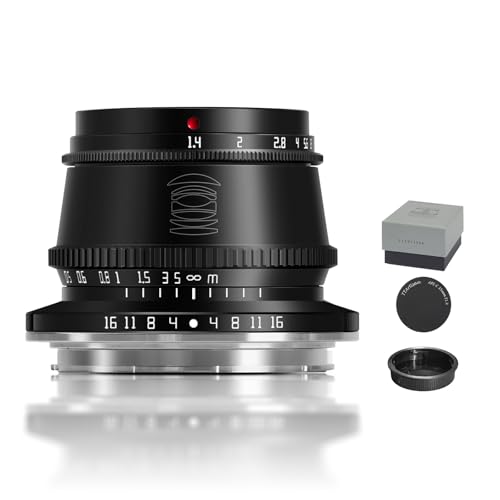
TTArtisan 35mm F1.4 APS-C SS Lens for Leica L Mount (Black)
TTARTISAN
Mid-Range
TTArtisan 50mm f1.2 APS-C lens for Sony E
TTARTISAN
Mid-Range
TTArtisan 50mm F1.2 APS-C Nikon Z mount lens
TTARTISAN
Mid-Range
TTArtisan 35mm f1.4 APS-C lens for Canon RF mount
TTARTISAN
Mid-Range
TTArtisan 35mm F1.4 APS-C manual focus lens for Sony E
TTARTISAN
Mid-Range
Sony FE 50mm f/1.8 standard lens for full-frame e-mount
Sony
PremiumRoundups
- Best SLR Camera Lenses for Night Photography (2026)
- Best SLR Camera Lenses for Travel Photography (2026)
- Best SLR Camera Lenses for Street Photography (2026)
- Best SLR Camera Lenses Under $200 (2026)
- Best SLR Camera Lenses Under $100 (2026)
- Best SLR Camera Lenses Under $50 (2026)
- Best SLR Camera Lenses (2026 Guide)
Frequently Asked Questions
How do I choose the right SLR lens for my camera body?
Match the lens mount to your camera's mount and confirm full-frame vs. APS-C/ DX compatibility; then choose focal length and aperture based on use (wide-angle for landscapes, standard/portrait focal lengths for general use, telephoto for sports/wildlife)
What focal length and aperture should I pick for portrait photography?
A medium telephoto focal length (85–135mm on full-frame, or equivalent crop-adjusted range) with a wide maximum aperture (f/1.8–f/2.8) gives flattering perspective and shallow depth of field for portraits
Are third-party lenses (TTARTISAN, Sirui, Digital Nc) reliable compared with brand-name lenses?
Third-party lenses can offer good optical value and unique features, but check compatibility, autofocus performance, build quality, and warranty; read reviews and sample images because performance varies by model and camera combination
What should I consider about autofocus and image stabilization when buying a lens?
Verify whether the lens has built-in autofocus and whether it supports your camera's autofocus systems; choose a lens with optical image stabilization (or rely on in-body stabilization) if you need sharper low-light or handheld telephoto shots
How does sensor size affect effective focal length and field of view?
Cameras with APS-C or other crop sensors multiply a lens's focal length by the crop factor (commonly ~1.5x for APS-C), narrowing the field of view compared with the same lens on a full-frame body
What are key durability and weather-sealing features to look for?
Look for metal mounts, robust housing, and explicit weather-sealing specs if you shoot outdoors; note that not all lenses are sealed and weather resistance also depends on the camera body
How should I care for and maintain my SLR lenses to preserve image quality?
Use a soft blower and microfiber cloth for cleaning, keep front/rear caps on when not in use, store lenses in a dry, padded case, and service or replace faulty elements or seals if you notice fungus or mechanical issues