Speaker Cables
Speaker Cables covers insulated copper and braided conductors, banana/spade/bare terminations, and lengths for home audio and pro setups, with 219 products indexed and average rating 4.65. Prices span budget through premium ($33–$590, avg $92), and brands include GEARit among others
Top Products
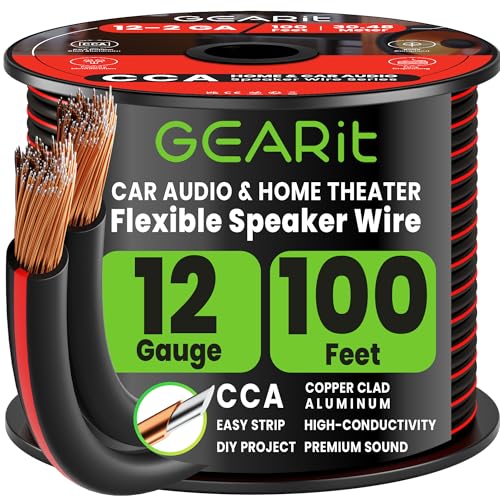
GearIT Pro 12 AWG Speaker Wire (100 ft) black
GEARit
Budget
GearIT Pro Series 16 AWG Speaker Wire, 200 ft, white
GEARit
Budget
GearIT Pro Series 14 AWG Speaker Wire, 200 ft, white
GEARit
Budget
GEARit 12awg speaker wire pro series 200 ft black
GEARit
Mid-Range
12-gauge speaker wire, 100 ft, OFC copper, white
Amazon Basics
Mid-Range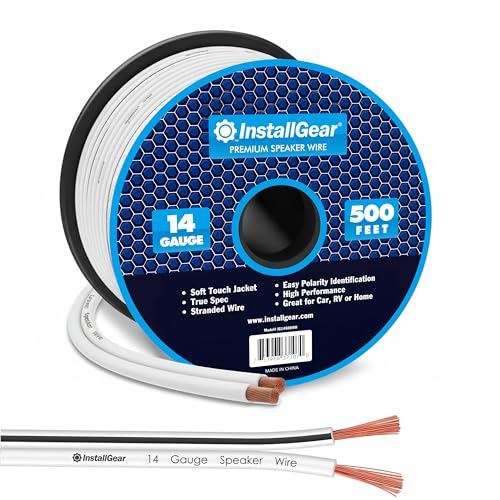
InstallGear 14 Gauge Speaker Wire, 500ft, White
InstallGear
Mid-Range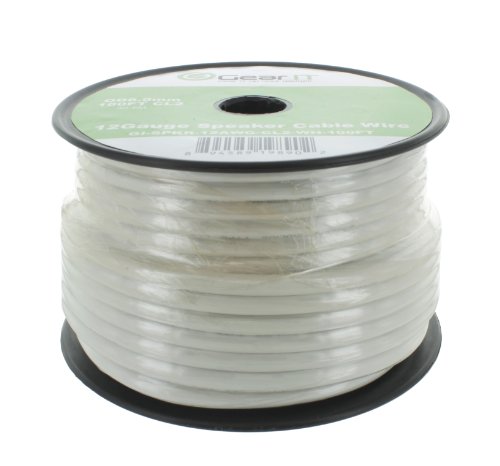
GearIT 12-Gauge Speaker Wire, 100 ft, CL-2, in-wall
GEARit
Mid-Range
InstallGear 14 AWG Speaker Wire (500ft, Clear) 14 gauge speaker cable
InstallGear
Mid-Range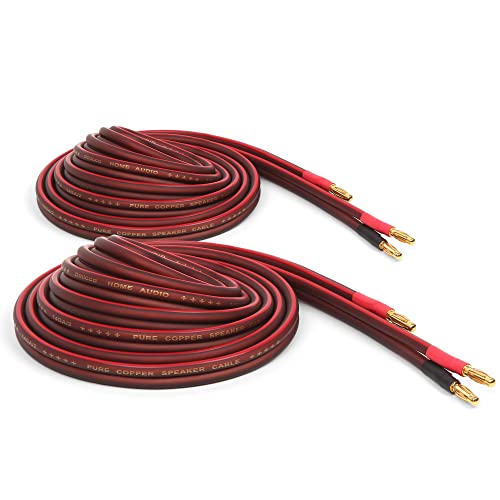
Micca 14-Gauge Pure Copper Speaker Wire, 12 ft (4 m) 2-pk
Micca
Mid-Range
InstallGear 14 Gauge Speaker Wire 500 ft CCA
InstallGear
Mid-Range
InstallGear 16 Gauge Speaker Wire, 250ft, Oxygen-Free Copper, Red/Black
InstallGear
Budget
GEARit 14 Gauge Speaker Wire 500ft (CCA) for Car/Home Theater
GEARit
Mid-Range
GearIT 14 AWG Banana Plug Speaker Cable
GearIT
Budget
High Performance 12 AWG Speaker Wire, 50 ft (OFC copper)
MaxBrite
Budget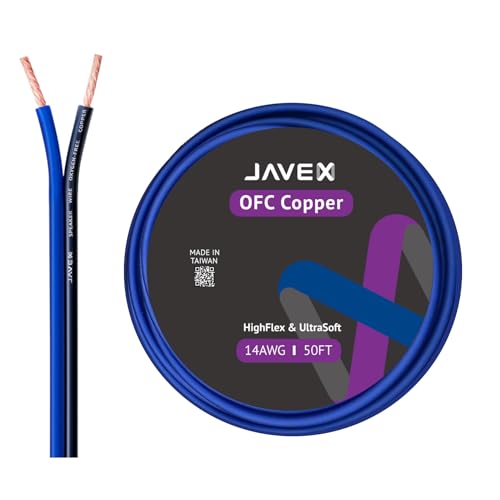
JAVEX 14-Gauge OFC Speaker Wire 50 ft
JAVEX
Budget
InstallGear 14 AWG Speaker Wire, Red/Black, 100 ft
InstallGear
Mid-Range
JAVEX 12-Gauge Speaker Wire Cable 50 ft, Oxygen-Free Copper
JAVEX
Mid-Range
Monoprice 50ft 16AWG CL2 Speaker Wire, 2-Conductor
Monoprice
Budget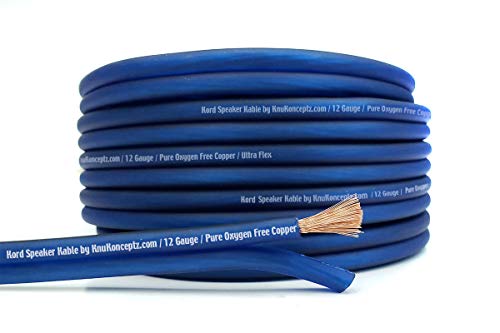
Kord Kable 12 Gauge Copper Speaker Wire, 50 ft
KnuKonceptz
Mid-Range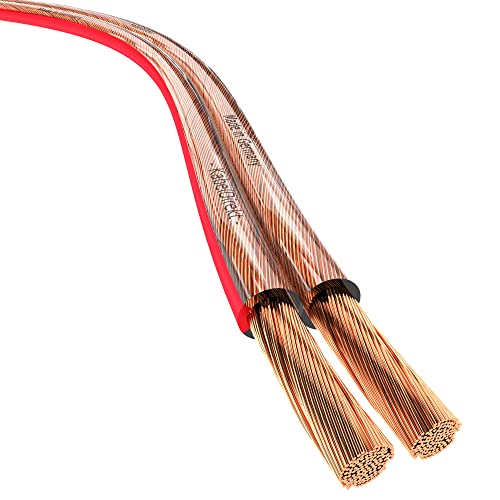
KabelDirekt Pure Copper Speaker Cable 14 AWG 100 ft
KabelDirekt
Mid-Range
JAVEX 12-gauge OFC speaker wire, 50 ft, flat blue/black
JAVEX
Mid-Range
GEARit 14 AWG Speaker Wire Pro Series 500 ft (152.4 m) White
GEARit
Mid-Range
High Performance 16 Gauge Speaker Wire (100 ft spool) - MaxBrite
MaxBrite
Budget
GEARit 12 Gauge Marine Wire 50ft 2-Conductor (12/2 AWG) Red & Black
GEARit
Mid-RangeRoundups
- Best Speaker Cables for Custom Installations (2026)
- Best Speaker Cables for Home Theater Wiring (2026)
- Best Speaker Cables for Home Theater Speaker Wiring (2026)
- Best Speaker Cables Under $200 (2026)
- Best Speaker Cables Under $100 (2026)
- Best Speaker Cables Under $50 (2026)
- Best Speaker Cables (2026 Guide)
Frequently Asked Questions
How do I choose the right speaker cable thickness (gauge) for my setup?
Choose thicker (lower AWG number) cable for longer runs and lower-impedance speakers: 16–18 AWG for runs under ~25 feet to most bookshelf speakers, 12–14 AWG for runs over ~25 feet or for 4-ohm/low-impedance speakers to minimize resistance and signal loss
What termination/connector types should I look for?
Common terminations are bare wire, banana plugs, spade lugs, and pin connectors; banana plugs and spades provide easier, more reliable connections for repeated use, while bare wire allows direct binding-post connection and may be preferred for one-time, tight fits
Does cable material (oxygen-free copper, copper-clad aluminum, silver) matter?
Copper is the standard for good conductivity and cost-effectiveness; oxygen-free copper can offer slightly better corrosion resistance, copper-clad aluminum is lighter and cheaper but higher resistance, and silver has higher conductivity but at much higher cost — choose based on run length, budget, and durability needs
How much should I expect to spend on speaker cables?
Speaker cable prices vary widely; budget options are commonly available under $50, mid-range cables typically range from about (price varies) to a few hundred dollars, and specialty or premium cables can cost more, with average prices in many marketplaces near the low hundreds
How should I route and care for speaker cables to avoid interference and damage?
Keep speaker cables away from power cords and fluorescent lighting to reduce hum and interference, avoid sharp bends and kinks, secure them to prevent strain on connectors, and periodically check terminations for corrosion or looseness
Do longer speaker cables degrade audio quality?
Longer cables increase resistance and capacitance which can affect damping and high-frequency response; for typical home setups, using appropriate gauge (thicker wire) for the distance minimizes audible degradation up to tens of feet
Are braided or shielded speaker cables necessary?
Shielding is generally unnecessary for speaker-level cables because the signal is strong and not prone to external noise; braided or multi-strand constructions improve flexibility and mechanical durability rather than reducing interference