Speaker Repair Products
Replacement drivers, crossovers, repair kits, wiring harnesses and adhesives for repairing or refurbishing consumer and pro speakers. The category spans budget to mid-range parts (174 products, average price ~(price varies)) and includes brands like Simply Speakers
Top Products
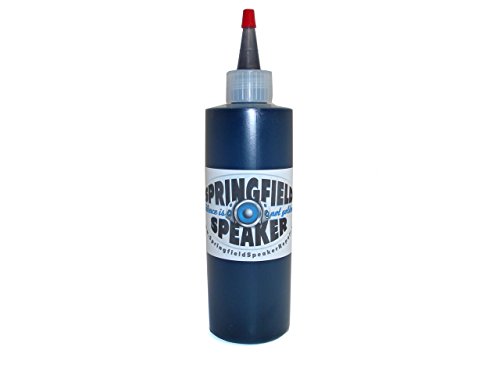
Pro-Grade rubberized speaker repair adhesive glue (8 oz) – dries black
Springfield Speaker
Mid-Range
Simply Speakers Foam Speaker Repair Kit for Toyota Sequoia/Tundra (Pair)
Toyota - Lexus
Budget
Cerwin Vega foam speaker repair kit FSK-15AR (pair)
Simply Speakers
Budget
JL Audio 12in Foam Speaker Repair Kit for 12W6v2-D4 (Single)
Simply Speakers
Budget
Foam Speaker Repair Kit for JL Audio 10W0/10W3 (Pair) by Simply Speakers
Simply Speakers
Budget
Cerwin Vega 15-inch Foam Speaker Repair Kit (FR-15) pair
Simply Speakers
Budget
Pro-Grade Nitrile Rubber Speaker Repair Adhesive Glue (8 oz)
Springfield Speaker
Mid-Range
Alto Neo Driver Replacement for TS210/TS212/TS215/AXUS
alto
Budget
JBL 2414H-C Replacement Driver
JBL
Mid-Range
Micro USB charger port replacement PCB for JBL Link 20
JoesGEcom
Budget
Advent Laureate Foam Speaker Repair Kit 6.5 in (4 pack)
Simply Speakers
Mid-Range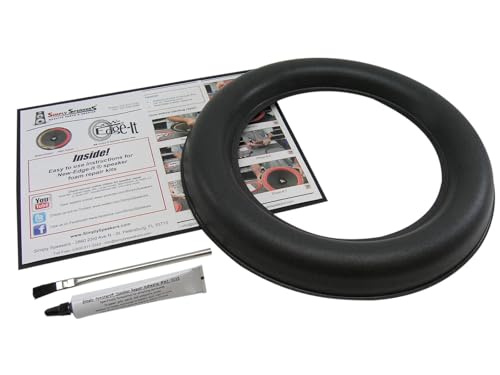
Speaker foam repair kit for JL Audio 12W7 subwoofers
Simply Speakers
Mid-Range
Springfield Speaker Foam Surround Repair Kit for Bose 901/902/801/802
Springfield Speaker
Mid-Range
Speaker Repair Kit for 12 inch JL Audio (Pair) by Simply Speakers
Simply Speakers
Mid-Range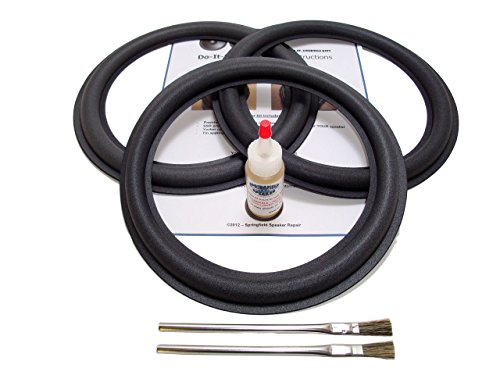
10" Subwoofer Foam Surround Repair Kit for JL Audio compatible (3 Speaker Kit)
Springfield Speaker
Budget
Advent 10 Inch Foam Speaker Repair Kit (FSK-10AD) pair
Simply Speakers
Budget
8W6 Speaker Foam Surround Repair Kit - 4 Speaker Kit
Springfield Speaker
Budget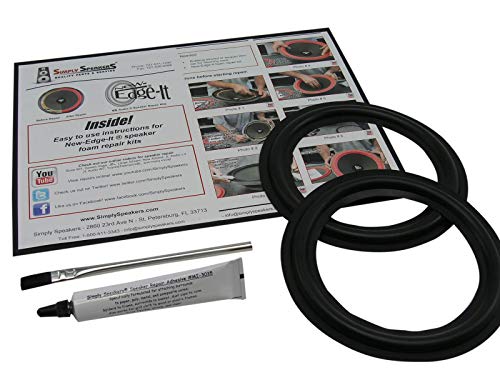
Rubber Edge 6.5 Inch Speaker Repair Kit RSK-6.5 (Pair)
Simply Speakers
Budget
2.5" Alpine Type R Voice Coil - Dual 2 Ohm
Springfield Speaker
Budget
Speaker foam repair kit for JL Audio 8W7-series
Simply Speakers
Mid-Range
JBL 2408H-2 Replacement Driver for PRX700/PRX800
JBL
Mid-Range
RJ45 dust cover cap protector yellow (pack of 100) DC-0-YE
R.J. Enterprises Division of LCR, INC
Budget
8 Inch Sound Dynamics Woofer Repair Kit FSK-828 (Pair)
Simply Speakers
Budget
JL Audio 12-Inch Foam Speaker Repair Kit (FSK-12JL) - Pair
Simply Speakers
BudgetRoundups
Frequently Asked Questions
What types of speaker repair products are available and which do I need?
Common categories include replacement drivers and cones, voice coils, crossovers, tweeters, repair kits (foam surrounds, adhesives, dust caps), soldering supplies, and mounting hardware; choose parts that match your speaker’s driver size, impedance and power handling, and use kits for cosmetic or surround repairs
How do I determine the correct replacement driver or component for my speaker?
Check the speaker’s specifications or measure the driver diameter, impedance (ohms), and recommended power handling; match physical mounting dimensions and electrical specs, and if available note crossover frequency ranges to ensure compatible frequency response
What tools and supplies should I have on hand for common speaker repairs?
Basic repairs typically require a soldering iron and solder, multimeter, screwdrivers, pliers, adhesive designed for speaker materials, foam surround repair kits or replacement surrounds, and soft brushes or cloths for cleaning; a heat gun and clamps can help with some rebuilds
How much should I expect to spend on speaker repair parts and kits?
Prices vary by part and brand, but expect small consumables and basic repair kits under $50, mid-range replacement drivers or crossovers in the $50–$150 range, and specialty or high-performance components above that; labor or professional re-coning adds additional cost if you don’t repair it yourself
Can I repair a blown speaker myself or should I consult a professional?
Simple issues like torn surrounds, loose connections, or replacing terminals and dust caps are often DIY-friendly if you have basic tools and follow guides, while extensive voice coil damage, complex crossover faults, or precision alignment may be better handled by experienced technicians
How do I preserve speaker parts and ensure repairs last?
Store replacement parts in a dry, dust-free environment, use adhesives and materials specified for speaker repair, avoid overheating voice coils when testing, and reassemble components with correct torque and insulation to prevent mechanical stress and moisture damage
What should I check electrically before replacing speaker components?
Measure impedance with a multimeter, check for continuity and shorts, test speaker response with a sweep or tone at low volume to isolate driver problems, and inspect the crossover for burnt components or loose solder joints before replacing major parts