Stage Digital Pianos
Stage digital pianos — portable, performance-oriented electronic pianos designed for live play and rehearsal — with 11 products indexed and an average rating of 4.59. Price range spans roughly $539 to $1,030 (average about (price varies)), covering mid-range to premium options; top brands include Casio and GearNuts
Top Products
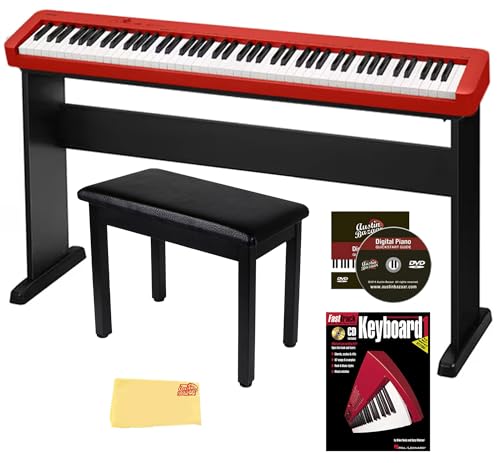
Casio CDP-S160 88-key Digital Piano with Stand & Accessories
Casio
Premium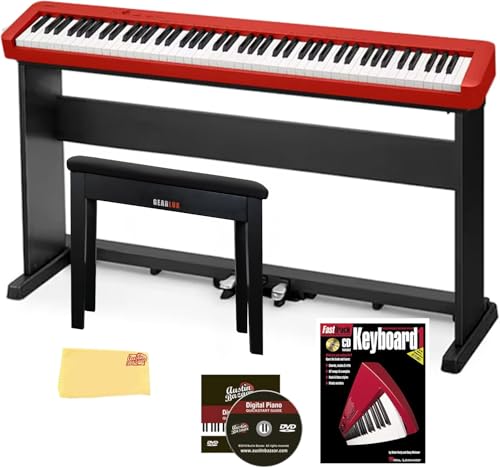
Casio CDP-S160 88-key Digital Piano Bundle
Casio
Premium
Casio CDP-S360 88-Key Digital Piano with Stand & Accessories
Casio
Premium
Casio CDP-S160 88-Key Compact Digital Piano with Accessories
Casio
Premium
Casio CDP-S160 88-key digital piano with stand & accessories
Casio
Premium
Casio Privia PX-S1100 Digital Piano in Red with Stand and Accessories
Casio
Premium
Alesis Recital Pro 88-key Digital Piano Essentials Bundle
GearNuts
Premium
Casio Privia PX-S1100 Digital Piano with Accessories
Casio
Premium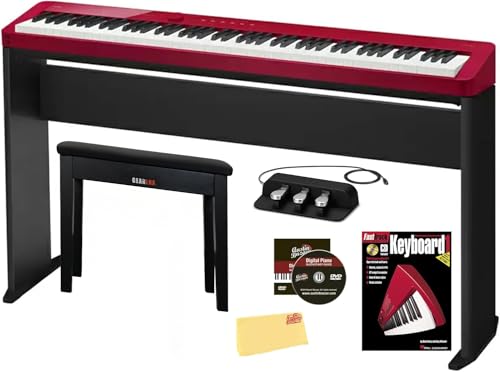
Casio Privia PX-S1100 Digital Piano with Stand & Accessories
Casio
Premium
Casio PX-S1100 Privia Digital Piano with Stand and Accessories
Casio
Premium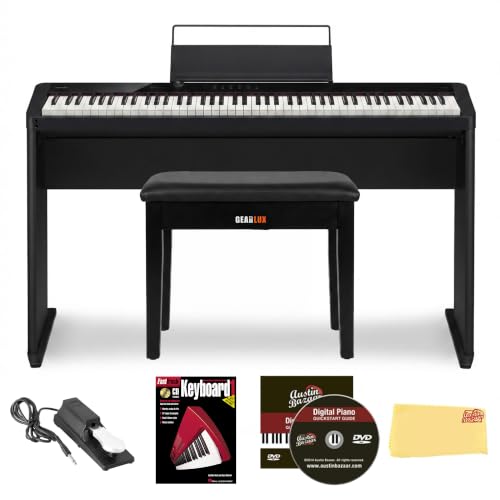
Casio Privia PX-S1100 Digital Piano Bundle (Black) with CS-68 Stand
Casio
PremiumRoundups
Frequently Asked Questions
How do I choose the right stage digital piano for live performance?
Prioritize weighted or graded hammer-action keys for realistic touch, reliable MIDI and audio outputs for connectivity, sufficient polyphony (at least 64 notes) for complex passages, and a rugged build with easy-to-reach controls and presets for quick sound changes during gigs
What should I expect to pay for a stage digital piano?
Stage digital pianos typically range from entry-level models under $500 to professional instruments over $2,000; many midrange options with good action, sounds, and connectivity fall around the lower-to-mid hundreds to about (price varies)
How important is polyphony and what is a practical amount for live use?
Polyphony determines how many notes and effects can sound simultaneously; for live use, 64 notes is generally adequate, 128 is safer for layered sounds and heavy pedal use, and higher counts are useful if extensive effects or complex layering are used
What connectivity features should I look for?
Look for stereo outputs (balanced if possible), USB-MIDI, traditional MIDI in/out if needed, headphone jack, sustain pedal input, and auxiliary inputs or dedicated line inputs for external sound sources; onboard amp/speakers are optional for practice but not required for stage rigs
Are onboard speakers necessary for a stage digital piano?
Onboard speakers are convenient for practice and small settings, but for consistent stage sound you should plan to use a PA system or powered monitors because onboard speakers often lack power and coverage for live venues
How much does weight and portability matter for gigging musicians?
Weight matters if you regularly move the instrument; stage pianos range from lightweight portable models to heavier professional units. Consider the balance between realistic key action and transportability, and factor in a suitable stand and case
What routine maintenance does a stage digital piano need?
Keep it clean and dry, avoid extreme temperatures, check and tighten external knobs and jacks occasionally, update firmware when available, and use quality cables and pedals to prevent connection wear; internal servicing is rarely needed outside of manufacturer support