Stage Monitors
Stage monitors for live and studio use, including powered wedge monitors, foldback speakers, and compact floor monitors for performers and engineers. The 14 indexed products average a 4.25 rating and span budget through premium price points (about $68–$624), with brands like Roland and Sound Town represented
Top Products

Sound Town METIS-10M 10" passive floor monitor 150W RMS
Sound Town
Mid-Range
Sound Town METIS-10M-PAIR 10" Stage Monitor Speakers (2-Pack)
Sound Town
Premium
Sound Town 10" Powered DJ Stage Monitor (METIS-10MPW) 300W
Sound Town
Premium
10'' PA/DJ Floor Monitor Speaker 220W, 8 Ohm, heavy-duty black
multicomp PRO
Mid-Range
Sound Town powered stage monitor 12" 500W
Sound Town
Premium
Roland PM-100 Compact V-Drum Monitor
Roland
Premium
Galaxy Audio NSPA Nano Spot Personal Monitor Speaker
Galaxy Audio
Premium
Display MKII 9 in. Metal Rack Mountable LED DB Level Display
American Audio
Mid-Range
Sound Town METIS-10MPW-PAIR powered stage monitor speakers (2-pack)
Sound Town
Premium
Galaxy Audio HS7 Hot Spot Personal Monitor with Volume Control
Galaxy Audio
Premium
Samson RSXM10A 2-Way Active Stage Monitor
SAMSON
Premium
Sound Town METIS-12MPW 2-Pack Powered Stage Monitors
Sound Town
Premium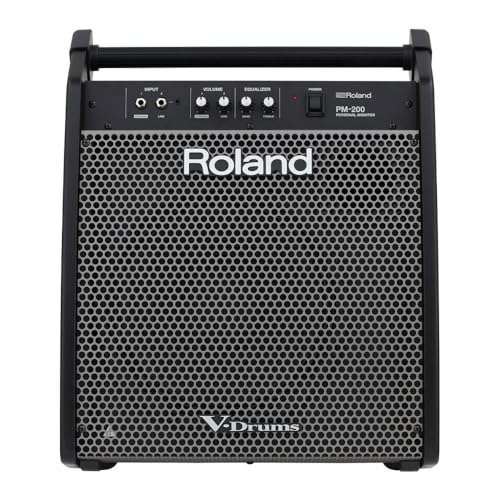
Roland PM-200 Compact V-Drum Monitor
Roland
Premium
Turbosound coaxial 12" stage monitor with DSP
TURBOSOUND
PremiumRoundups
Frequently Asked Questions
How do I choose the right size and wattage for a stage monitor?
Match monitor size and wattage to the performance context: small practice or solo acoustic setups often use 6–8" drivers with 50–150W, small bands and rehearsals commonly use 10–12" drivers with 150–300W, and larger live venues require 12"+ drivers and 300W+; also consider impedance, sensitivity, and whether multiple monitors will be needed for coverage
Should I buy powered (active) monitors or passive monitors with a separate amplifier?
Powered monitors include built-in amplification and simplify setup, ideal for portability and quick setups, while passive monitors require an external amplifier but allow separate amp selection and potentially easier repairs; choose based on portability, budget, and whether you want integrated DSP or onboard EQ
What key features should I look for in a stage monitor for live performance?
Prioritize clear midrange reproduction, directional dispersion (wedge angle or coaxial design), adequate SPL for the stage size, XLR/TRS inputs and parallel outputs, onboard EQ or contour switches to reduce feedback, and durable enclosures with handles or pole mounts for flexibility
How can I avoid feedback issues when using stage monitors?
Position monitors aimed at performers' ears, avoid pointing them directly at microphones, use high-pass filters to remove low-frequency buildup, apply narrow notches or parametric EQ to reduce problematic frequencies, and manage gain structure by setting monitor levels conservatively before increasing
Are there compact or in-ear alternatives to traditional wedge monitors?
Yes; compact mini wedges and foldback speakers provide smaller footprint solutions for tight stages, and in-ear monitor (IEM) systems replace stage wedges entirely by delivering personalized mixes to earphones, reducing stage volume and improving isolation; consider cable/dongle routing and hearing protection needs when choosing IEMs
What should I consider regarding durability and transport for stage monitors?
Look for rugged plywood or reinforced plastic cabinets, metal grille protection, recessed hardware and handles, and replaceable feet; also consider weight and dimensions relative to your transport vehicle and whether flight cases or bags are necessary for frequent travel
How much should I expect to spend on a reliable stage monitor setup?
Entry-level powered wedge monitors can be found in lower price bands, while mid-range professional wedges frequently fall in a few-hundred-dollar range each; a full reliable setup for bands often totals several hundred to a few thousand dollars depending on quantity, power, and accessories