Stage Powered Mixers
Stage powered mixers combine mixing consoles with built-in amplifiers for live sound and small-venue PA use, offered in budget through premium price tiers. This category includes models from brands like Behringer and spans 43 indexed products with an average rating of 4.42
Top Products
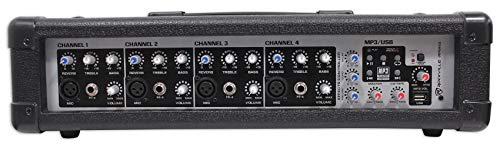
Rockville RPM45 1800w Powered 4-Channel Mixer Amplifier
Rockville
Mid-Range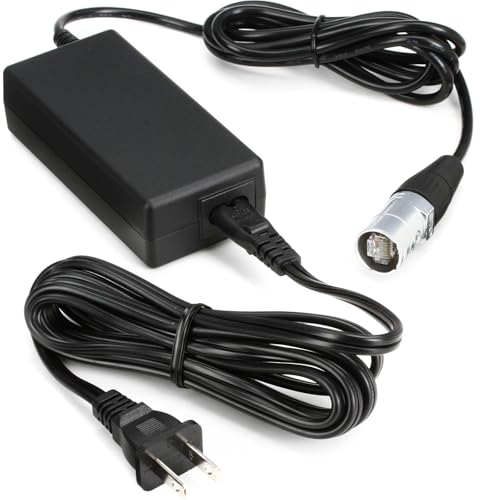
Power supply for T4S ToneMatch mixer
Bose
Mid-Range
Behringer Xenyx 1002SFX 10-channel Analog Streaming Mixer
Behringer
Mid-Range
Rockville RPM45BT 1800W Powered 4 Channel Mixer/Amplifier
Rockville
Mid-Range
Pyle 4-Channel Wireless Bluetooth Line Mixer
Pyle
Mid-Range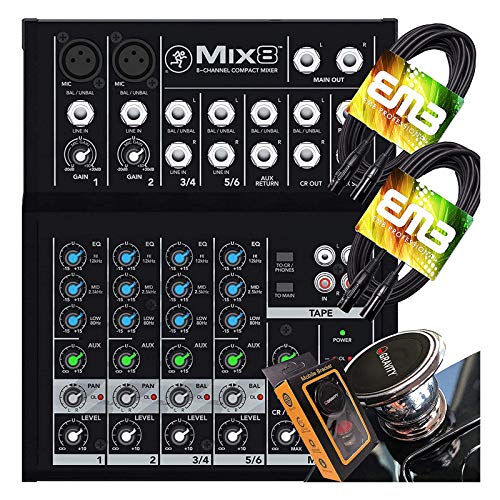
Mackie Mix8 Compact 8-Channel Desktop Mixer
Mackie
Mid-Range
Behringer Xenyx 1202SFX 12-channel Analog Streaming Mixer
Behringer
Mid-Range
Pyle 6-Channel Bluetooth Studio Mixer PMXU68BT
Pyle
Mid-Range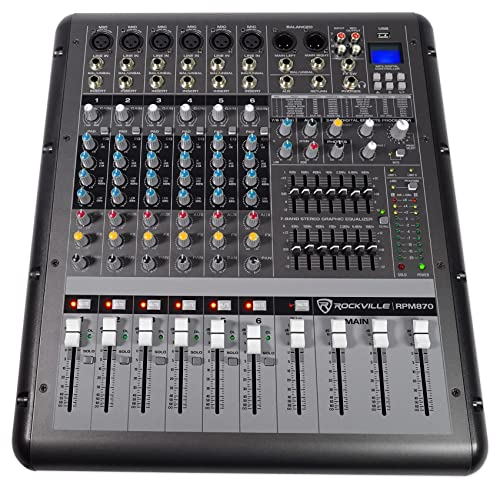
Rockville RPM870 8-channel powered mixer
Rockville
Premium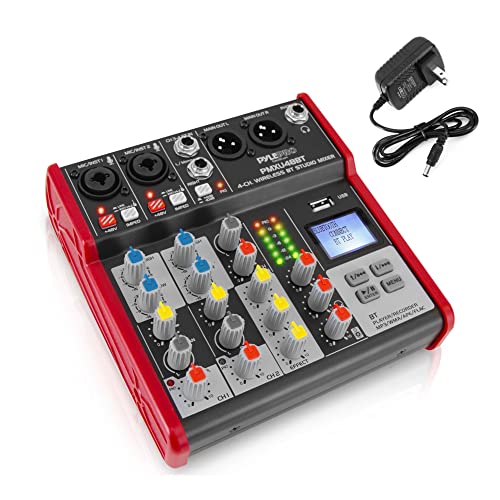
Pyle 4-Channel Studio DJ Mixer with Bluetooth and USB Audio Interface
Pyle
Mid-Range
K1 4-Channel Professional Audio Mixer with 99 DSP
Kaschun
Mid-Range
Behringer EUROLIVE B207MP3 Active 150W 6.5" PA/Monitor Speaker
Behringer
Premium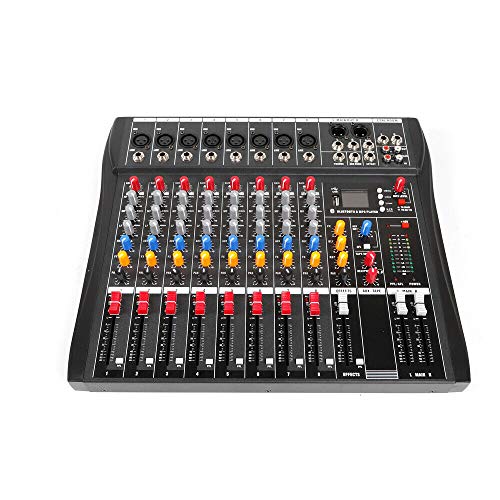
8-Channel Mixing Console with Bluetooth USB MP3 48V Phantom
TFCFL
Mid-Range
Pyle 8-Channel Wireless BT Mini Line Mixer with USB Audio Interface
Pyle
Mid-Range
Maker hart JUST Mixer S Portable 3-Channel Mini Audio Mixer
Maker hart
Budget
JOYO MOMIX PRO USB audio mixer for live streaming
JOYO
Mid-Range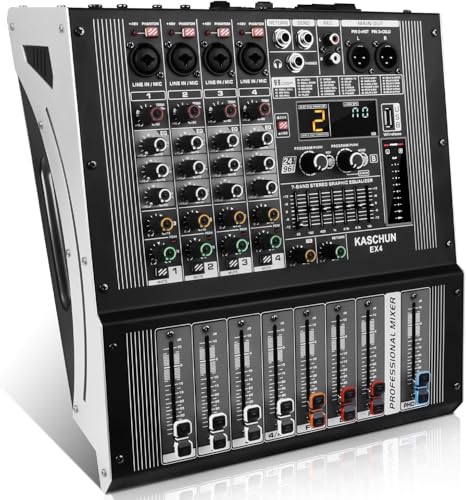
EX4 4-Channel Stereo Mixer with Bluetooth & 250W x2
Kaschun
Mid-Range
Behringer 500W 5-channel powered mixer with FX processor
Behringer
Premium
7-channel USB audio mixer with phantom power and Bluetooth
Riworal
Mid-Range
Behringer PowerPlay 16 P16-M 16-channel digital personal mixer
Behringer
Premium
Mackie ProFX12v3 12-Channel Mixer with Built-in Effects and USB Bundle
Mackie
Premium
Rockville 12-channel powered mixer RPM109 with 6 mono and 3 stereo channels
Rockville
Premium
Sescom SES-3MIX 3-Input / 1-Output Passive XLR Mixer
Sescom
Mid-Range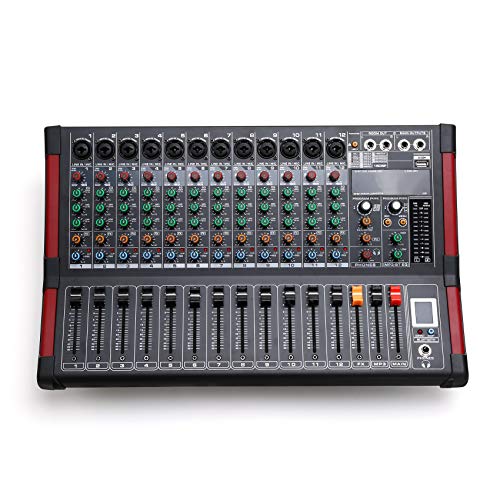
TC-Home 12 Channel Powered Mixer w/ USB & Bluetooth
TC-Home
PremiumRoundups
Frequently Asked Questions
What is a stage powered mixer and how does it differ from a regular mixer?
A stage powered mixer combines a mixing console and built-in power amplifiers in one unit, so it can drive passive loudspeakers directly; a regular (unpowered) mixer lacks onboard amplifiers and requires external power amps to connect to passive speakers
How do I choose the right power rating and channel count?
Choose a channel count based on the number of microphones and line sources you'll use (common stage mixers range from 4 to 16+ channels) and match amplifier power to your venue size and speaker coverage; plan for headroom—pick an amp rating that can comfortably drive your speakers' continuous power needs, not just their peak ratings
Which connectivity and I/O features should I prioritize?
Look for the inputs you need (XLR mic inputs, balanced TRS line inputs), enough aux/monitor sends for stage wedges or monitors, inserts for outboard processing, speaker outputs compatible with your cabinets (binding posts, Speakon), and any USB or digital I/O if you intend to record or interface with a computer
Are onboard effects and EQ important to consider?
Onboard effects (reverb, delay) and per-channel EQ are convenient for live use and can reduce the need for external processors; evaluate the quality and flexibility of the EQ (sweepable mids, shelving highs/lows) and effects rather than assuming all built-in units are equivalent
What should I know about weight, portability, and rackability?
Stage powered mixers are heavier than unpowered consoles because of the amplifier; check unit weight, chassis size, and whether it has rack ears or can be mounted in a rack or flight case if you need road portability and easy stage setup
How do I match a powered mixer to passive speakers safely?
Match the amplifier's continuous (RMS) power and nominal impedance to the speaker specifications, avoid overpowering or underpowering by staying within the manufacturer recommended impedance and power handling range, and use proper wiring/connectors (Speakon or binding posts) to ensure secure, low-resistance connections
What basic maintenance and care do stage powered mixers require?
Keep the unit clean and dust-free, ensure adequate ventilation to prevent overheating, inspect and clean input/output connectors periodically, and have protective cases for transport; for persistent noise or amplifier issues, consult a qualified technician