Stage & Studio Patch Cables
Patch cables and wiring for stage and studio use, including instrument, patchbay, and pedalboard leads in shielded and TRS/TS formats. About 90 products indexed with average price near (price varies) and average rating 4.64; brands include COLUBER CABLE among others. Options span budget through mid-range and premium builds
Top Products

Monoprice XLR to 1/4" TRS cables, goldplated connectors
Monoprice
Budget
Ernie Ball 12in Flat Ribbon Patch Cable 3-Pack - Red
Ernie Ball
Budget
Ernie Ball 3-pack 12in flat ribbon patch cables
Ernie Ball
Budget
Guitar Patch Cables, 3-pack, 24" right-angle
Rock Stock
Budget
Ernie Ball Patch Cables Pedalboard Multi-Pack (Red)
Ernie Ball
Mid-Range
Monoprice 35-Foot Premier XLR to 1/4" TRS & Female Audio Cable
Monoprice
Mid-Range
Ernie Ball Flex Patch Cable 12in, Black — 3 Pack
Ernie Ball
Budget
AxcessAbles 1/4" TRS to 1/4" TRS Patch Cables (6-Pack) 5ft
AXA AXCESSABLES
Budget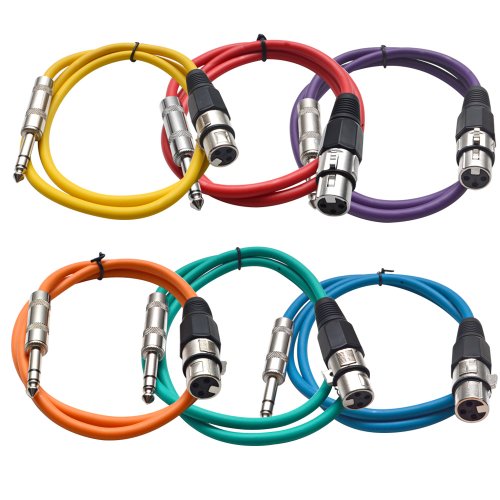
Seismic Audio 3 ft XLR Female to TRS Patch Cable (6 Pack)
Seismic Audio
Mid-Range
Seismic Audio SAXLX-2 6-Pack 2ft Gray XLR Patch Cables
Seismic Audio
Mid-Range
Ernie Ball Flex Patch Cable 12in Glow in the Dark (3 Pack)
Ernie Ball
Budget
BOSS Stage/Studio Patch Cable - 4 inch (3-pack)
BOSS
Budget
SAXLX-6 Green XLR Patch Cables (6 pack, 6 ft)
Seismic Audio
Mid-Range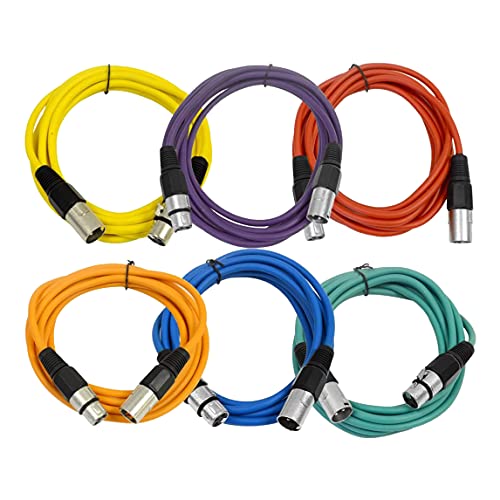
Seismic Audio 6 Pack 10 ft XLR Patch Cables (Male to Female)
Seismic Audio
Mid-Range
COLUBER 1/4 TRS Male to TRS Male, 35 ft, white
COLUBER CABLE
Budget
Coluber Cable 35 ft TRS Male to Male Red Stereo Balanced Cable
COLUBER CABLE
Budget
COLUBER CABLE 1/4 TRS Male to 1/4 TRS Male, 35 ft, pink
COLUBER CABLE
Budget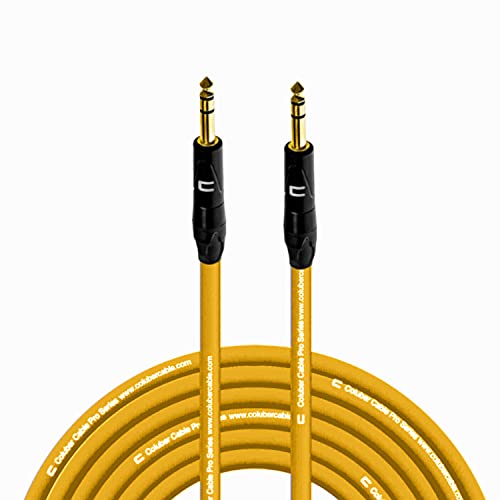
COLUBER CABLE 1/4 TRS Male to 1/4 TRS Male 35 ft, Yellow
COLUBER CABLE
Budget
Ernie Ball stereo patch cable 2-pack, 24in, black
Ernie Ball
Budget
Coluber Cable 1/4 in TRS Male to 1/4 in TRS Male, 35 ft, orange
COLUBER CABLE
Budget
COLUBER 1/4 TRS Male to 1/4 TRS Male Cable, 35 ft, Balanced
COLUBER CABLE
Budget
Hosa 1/4" TRS Patch Cable 3' 8-pack
Hosa
Mid-Range
COLUBER CABLE 1/4 TRS Male to 1/4 TRS Male - 50 ft
COLUBER CABLE
Mid-Range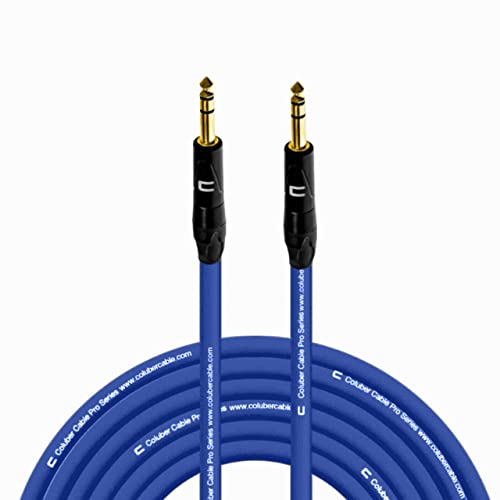
COLUBER 1/4 TRS Male to 1/4 TRS Male Cable, 50 ft, blue
COLUBER CABLE
Mid-RangeRoundups
Frequently Asked Questions
How do I choose the right length and connector type for stage & studio patch cables?
Measure the distance between gear and allow a little slack for movement; common lengths range from a few inches (patching in racks) to several feet for pedalboards and desks. Match connector types to your equipment—1/4" TS for unbalanced instrument or patching, 1/4" TRS for balanced or stereo inserts, and XLR for mic-level balanced connections
What factors affect sound quality and signal integrity in patch cables?
Key factors are cable construction (shielding and conductor material), connector quality, and impedance matching for balanced lines. Heavier shielding and oxygen-free copper or high-strand-count conductors reduce noise and high-frequency loss, while well-soldered or solderless connectors ensure consistent contact
Are there significant price differences and what should I expect at different budgets?
Patch cables range from budget options under $20 for simple patch leads to higher-end cables over $100 for premium materials and connectors; midrange options around $30–$80 commonly balance build quality and value. Choose based on durability needs, connector quality, and the sensitivity of your signal chain rather than price alone
What build features improve durability for live stage and studio use?
Look for strain relief at the connectors, molded or reinforced plugs, robust outer jackets (PVC or braided), and gold- or nickel-plated connectors to resist corrosion. For frequent flexing or road use, braided jackets and reinforced solder joints or secure locking connectors help prevent failure
Can patch cables cause hum or interference, and how can I avoid it?
Yes—poor shielding, long unbalanced runs, or routing near power sources can introduce hum and interference. Use balanced TRS or XLR cables for long runs, choose well-shielded cables, and route audio cables away from power cables and wireless transmitters
How should I maintain and store patch cables to extend their lifespan?
Coil cables using the over-under or loose circular method to avoid kinks, keep them in a dry, dust-free place, and inspect connectors regularly for loose contacts or bent pins. Clean connector contacts with appropriate contact cleaner if intermittent noise appears
When is it worth choosing branded or premium cables over generic options?
Opt for branded or premium cables when you need proven build quality, consistent tolerances, better shielding, or reliable service life for professional touring, studio critical paths, or high-value gear; generic cables may be acceptable for temporary setups or non-critical patching