Studio Audio Monitors
Studio audio monitors used for mixing, mastering and critical listening in home and project studios, available as powered nearfield and larger reference speakers. The category spans budget through mid/high‑range options (avg price about (price varies)) and includes brands like PreSonus and KRK among 62 indexed models with an average rating of 4.51
Top Products

Eris 3.5 Studio Monitors (Pair) by PreSonus
PreSonus
Mid-Range
Eris 3.5 Studio Monitors (White) - Pair
PreSonus
Mid-Range
Eris Sub 8BT 8" powered subwoofer with Bluetooth
PreSonus
Premium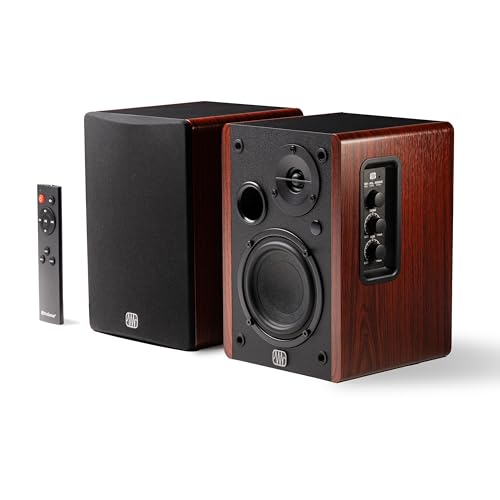
PreSonus Eris Accent powered bookshelf speakers (50W) 4" woofer, 12" tweeter
PreSonus
Mid-Range
Eris 3.5BT Studio Monitors (Pair) by PreSonus
PreSonus
Mid-Range
Edifier MR3 powered studio monitor speakers (2.0) - white
Edifier
Mid-Range
M-Audio BX3BT 3.5" Studio Monitors with Bluetooth (Pair, 120W)
M-Audio
Mid-Range
PreSonus Eris E3.5 BT studio monitors
PreSonus
Mid-Range
M-AUDIO BX3 Studio Monitors (3.5") pair
M-AUDIO
Mid-Range
JBL 306P MkII 6-Inch Studio Monitor (Solo) - Black
JBL
Premium
Ortizan C7 Studio Monitors with Bluetooth 5.3 (Pair, Black)
Ortizan
Mid-Range
Ortizan C7 dual-mode 2.0 studio monitors (pair, white)
Ortizan
Mid-Range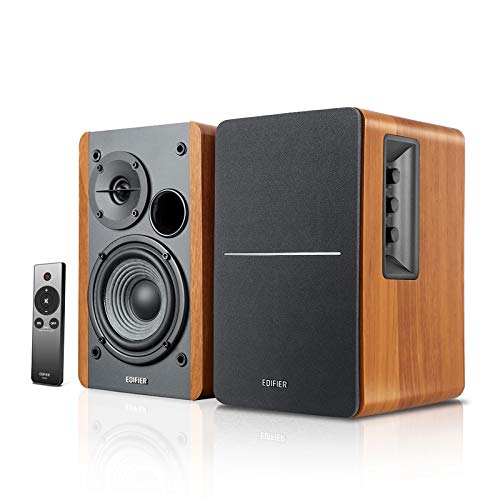
Edifier R1280Ts Powered Bookshelf Speakers
Edifier
Premium
KRK 5" Classic Studio Monitor
KRK
Premium
M-AUDIO BX4 Pair 4.5
M-AUDIO
Mid-Range
Yamaha HS7W 7-Inch Powered Studio Monitor (White)
Yamaha
Premium
Mackie CR3.5 3.5" Creative Reference Powered Studio Monitors
Mackie
Mid-Range
PreSonus Eris E5 Studio Monitor
PreSonus
Mid-Range
ADAM Audio T5V studio monitor
ADAM Audio
Premium
PreSonus Eris E4.5 2-Way Studio Monitors (Pair)
PreSonus
Premium
Mackie CR4.5BT Studio Monitors with Bluetooth and Tone Knob
Mackie
Mid-Range
PreSonus Eris E7 XT 2-Way Studio Monitor
PreSonus
Premium
KRK GoAux3 3" Portable Monitors
KRK
Mid-Range
KRK RP5 Rokit G4 Studio Monitor (Black) – 5" bi-amp
KRK
PremiumRoundups
Frequently Asked Questions
How do I choose the right studio monitor size and power for my room?
Match monitor size and power to room size and listening distance: 4–5" nearfield monitors suit small desks and close listening, 6–8" or powered monitors with higher wattage work better for medium to larger rooms, and larger woofers require more space and acoustic treatment to perform accurately
What connections and inputs should I look for to match my gear?
Look for balanced XLR or TRS inputs for professional audio interfaces and mixers, unbalanced RCA for consumer gear, and an optional 3.5mm input for laptops or phones; some powered monitors also include speaker-level or subwoofer outputs for easier integration
What frequency response and accuracy features are most important for critical listening?
Prioritize a flat, extended frequency response with clear midrange reproduction and low distortion; features like onboard EQ controls (room compensation), bi-amped designs, and low distortion THD help reveal mix details and improve translation across playback systems
Are active (powered) monitors better than passive monitors for most users?
Active monitors with built-in amplifiers are generally more convenient and matched for most home and project studios because they remove the need to select external amps, whereas passive monitors can be preferred in setups with dedicated amplification and custom system building
How should I position and treat my room for the best monitor performance?
Place monitors at ear height forming an equilateral triangle with your listening position, keep them away from room boundaries, and use basic acoustic treatment such as absorption at first reflection points and bass traps in corners to reduce comb filtering and low-frequency buildup
How do I maintain and care for studio monitors to extend their life?
Keep monitors dust-free, avoid exposing them to humidity and extreme temperatures, use speaker stands or isolation pads to prevent vibration transfer, and power them down properly; check drivers periodically for damage and avoid overdriving the input to prevent tweeter or woofer failure