Surround Sound Systems
Surround Sound Systems include multi-channel speaker packages, soundbars with subwoofers, and home theater receivers for immersive audio in living rooms or media rooms. The category spans budget through premium options (40 products, average rating 4.41) with prices from $60 to $1,199 and brands like Klipsch represented
Top Products

Polk Monitor XT90 Height Speaker Pair
Polk Audio
Mid-Range
Fluance Elite Bipolar Surround Speakers (Pairs) natural walnut
Fluance
Mid-Range
Fluance Elite 2-Way Bipolar Surround Speakers (SXBP2)
Fluance
Mid-Range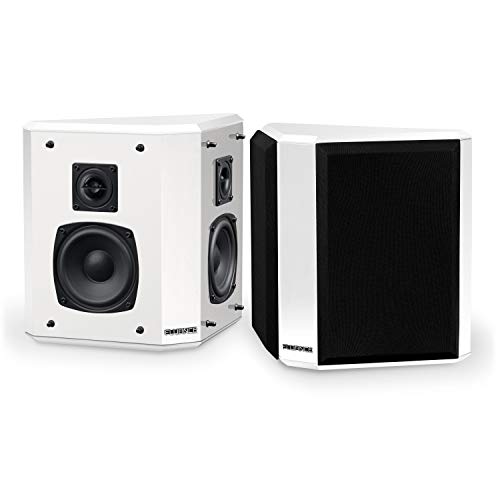
Fluance Elite Bipolar Surround Speakers (Pair) – White
Fluance
Mid-Range
ULTIMEA 5.1 Sound Bar with 320W Peak Power
ULTIMEA
Mid-Range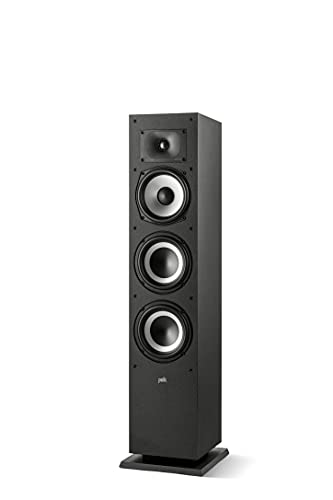
Polk Monitor XT60 Tower Speaker
Polk Audio
Premium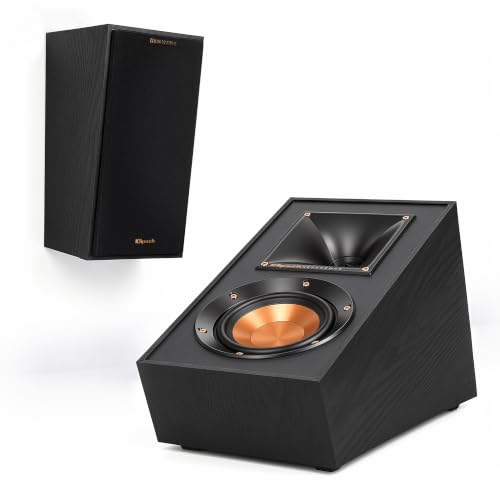
Klipsch R-41SA Powered Speaker Set (2) Black
Klipsch
Premium
Yamaha NS-AW190BL indoor/outdoor speakers (pair, black)
Yamaha
Mid-Range
ULTIMEA 7.1ch Soundbar with Wireless Subwoofer Poseidon D70
ULTIMEA
Premium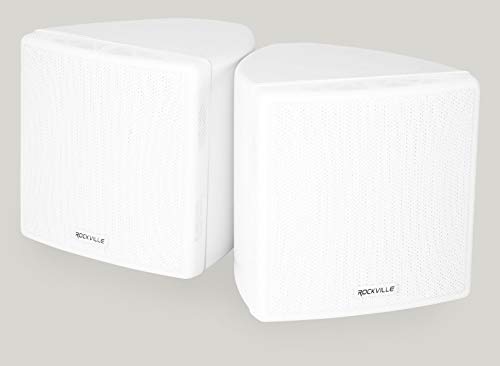
Rockville Cube White 3.5" 30W RMS Wall Speakers
Rockville
Mid-Range
ULTIMEA 5.1ch Surround Sound Bar with Subwoofer
ULTIMEA
Premium
Acoustic Audio by Goldwood 2.1 Bluetooth Speaker System AA2170
Acoustic Audio by Goldwood
Mid-Range
MC80 8" In-Ceiling Speaker (Single) by Polk Audio
Polk Audio
Premium
Acoustic Audio 5.1 Bluetooth Speaker System (AA5170) 700W
Acoustic Audio by Goldwood
Mid-Range
Rockville Cube Black 30W RMS Wall Speakers (3.5")
Rockville
Mid-Range
Monoprice 2-way In-Wall Surround Speaker (Dual 5.25" Woofers)
Monoprice
Mid-Range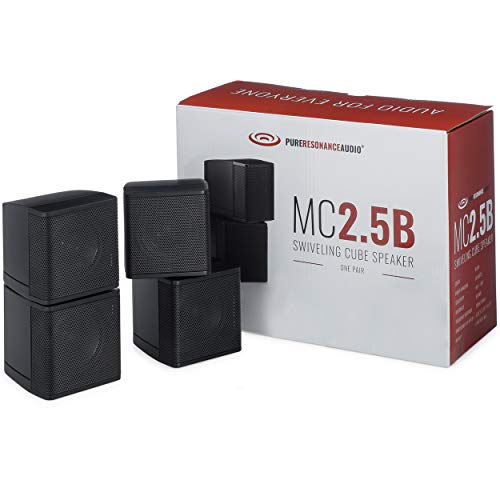
Pure Resonance Audio MC2.5B dual 2.5" swiveling surround mini cube speakers (pair)
Pure Resonance Audio
Mid-Range
Klipsch RP-500SA Dolby Atmos Speakers (Ebony)
Klipsch
Premium
Acoustic Audio 700W 5.1 Bluetooth Home Theater System
Acoustic Audio by Goldwood
Mid-Range
ULTIMEA 5.1 Sound Bar with Subwoofer and Atmos
ULTIMEA
Premium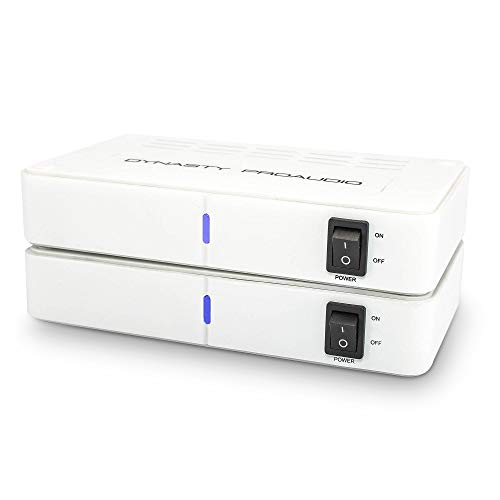
Wireless Surround Speakers Kit with 50W amps (2x 50W) 5.2/5.8GHz dual-band
DYNASTY PROAUDIO
Premium
Small home theater system with 4-inch subwoofer and built-in receiver
Bobtot
Mid-Range
ULTIMEA Poseidon D80 7.1Ch Surround Sound System
ULTIMEA
Premium
Rockville TM80C Powered Home Theater Tower System (Cherry) - 800W
Rockville
PremiumRoundups
Frequently Asked Questions
How do I choose the right surround sound system for my room size?
Match speaker size and power to room dimensions: compact 2.1–5.1 systems suit small rooms, larger 5.1–7.1 or Dolby Atmos setups fit medium to large rooms; also consider speaker placement, seating distance, and available wall or floor space
What do the numbers like 5.1, 7.1, and Dolby Atmos mean?
The first number indicates main channels (speakers) and the .1 denotes a subwoofer channel for low frequencies; Dolby Atmos adds height channels or upward-firing speakers to create overhead sound imaging
Which connectivity options should I look for?
Ensure the system has the inputs your source devices use: HDMI (with eARC/ARC for TVs), optical/coaxial digital, analog RCA, and Bluetooth or Wi‑Fi for streaming; check for enough HDMI inputs on the receiver if you have multiple devices
How much power and sensitivity do I need for good loudness and clarity?
Look at amplifier power (watts per channel) and speaker sensitivity (dB): higher watts help fill larger rooms, and speakers with sensitivity above ~88–90 dB are easier to drive; match speaker impedance to the receiver’s ratings
What are typical price ranges and what should I expect at each level?
Entry-level systems and soundbars start in the low hundreds for basic 2.1/5.1 setups, mid-range receivers and speaker packages are commonly in the mid-hundreds to low thousands for fuller surround performance, and higher-priced systems add better drivers, build quality, and advanced processing like Atmos
Do I need a separate AV receiver, or can powered speaker systems work?
Powered (active) speaker systems include built-in amplification and are simpler to set up, while passive speaker packages require an AV receiver but offer more flexibility and upgrade paths for multi-channel processing and additional sources
What should I know about setup, calibration, and maintenance?
Place front left/right and center speakers at ear level, surround speakers slightly above ear level, and subwoofer near a wall or corner; use receiver room calibration or a sound level meter to balance levels, keep speakers dust-free, and avoid exposing drivers to moisture or extreme temperatures