Synthesizer & Workstation Keyboards
Synthesizer & Workstation Keyboards cover electronic keyboards for sound design, sequencing, and performance, ranging from compact synths to full-featured workstations. This category aggregates 47 products with an average rating of 4.49 and price tiers from budget to premium; notable brands include KORG and Arturia
Top Products

Stylophone: The Original Pocket Electronic Synthesizer
Stylophone
Mid-Range
Stylophone Pink: Original Pocket Electronic Synthesizer (Special Edition)
Stylophone
Mid-Range
Stylophone S-1 with Carry Case
Stylophone
Mid-Range
Korg Volca Beats Analog Rhythm Machine
KORG
Mid-Range
Native Instruments Komplete Kontrol A25 Controller Keyboard
Native Instruments
Premium
Ashthorpe 61-key digital keyboard with stand and bench
Ashthorpe
Mid-Range
Arturia MicroLab Mk3 - Universal MIDI Controller for Music Production
Arturia
Mid-Range
Otamatone Deluxe Kirby Edition Portable Musical Instrument
Otamatone
Mid-Range
Behringer JT-4000 MICRO Portable 4-Voice Hybrid Synthesizer
Behringer
Mid-Range
Otamatone Sanrio Special Edition Aggretsuko - Fun Electronic Toy Synthesizer
Hamee
Mid-Range
Otamatone Deluxe Hatsune Miku Edition
Otamatone
Mid-Range
Stylophone Stylosette: Pocket Synthesizer with Keyboard & Built-in Speaker
Stylophone
Mid-Range
Korg MIDI 37-key USB Keyboard Controller (MICROKEY237) – Black
KORG
Premium
Otamatone Regular White and Blue Case Bundle
Otamatone
Mid-Range
Arturia KeyLab Essential mk3 49-key USB MIDI Keyboard Controller
Arturia
Premium
Behringer CRAVE Analog Semi-Modular Synthesizer
Behringer
Premium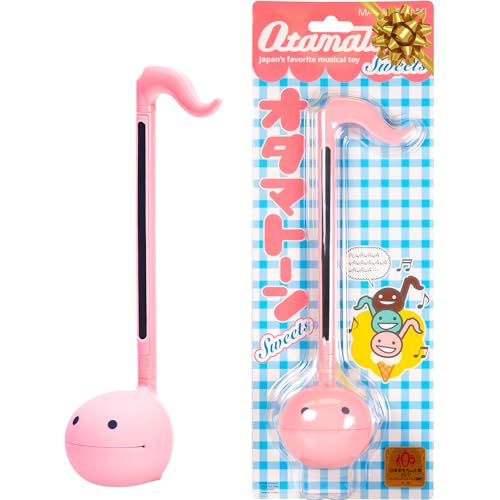
Otamatone Strawberry portable electronic musical instrument
Otamatone
Mid-Range
Otamatone Japanese electronic musical instrument set
Otamatone
Mid-Range
Korg MONOLOGUE 25-key Synthesizer
KORG
Premium
Behringer Kobol Expander Semi-modular Analog Synthesizer
Behringer
Premium
Otamatone Carrying Case Bundle for Otamatone Regular Size
Otamatone
Mid-Range
Arturia MicroLab Mk3 MIDI Controller
Arturia
Mid-Range
Liven MEGA SYNTHESIS — Retro Game Music Composer
SONICWARE
Premium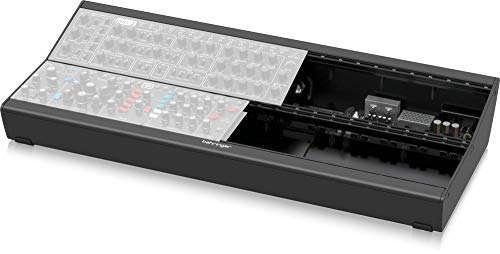
Behringer Eurorack Go 2x140 HP Eurorack Case
Behringer
PremiumRoundups
Frequently Asked Questions
How do I choose between a synthesizer and a workstation keyboard?
Choose a synthesizer if you need deep sound design, modulation, and hands-on control; choose a workstation keyboard if you want integrated sequencing, sampling, multitrack arrangement, and a wide palette of preset sounds for composing and performance
What keybed and control features should I look for?
Consider key action (mini, synth-action, semi-weighted, or fully weighted), number of keys (25–88), velocity sensitivity, aftertouch, and controls such as knobs, faders, pitch/mod wheels, and an arpeggiator to match your playing style and production needs
How important is polyphony and multitimbrality for my music?
Polyphony (voices) determines how many notes can sound simultaneously—16–128 voices cover most needs—while multitimbrality lets the keyboard play multiple instrument patches at once for layering or sequencing; choose higher counts for complex arrangements or live splits
What connectivity and integration options should I check?
Look for MIDI In/Out/USB, audio outputs, sustain/expression pedal jacks, CV/Gate if using modular gear, and DAW integration or editor/librarian compatibility to ensure smooth studio or stage workflow
How much should I expect to spend and what are the typical price tiers?
Entry-level synths and compact controllers often fall under a few hundred dollars, mid-range models with more keys and features are typically a few hundred to around a thousand, and pro workstations or high-end synths can cost more; component quality and feature sets drive price differences
What maintenance or care does a synthesizer or workstation require?
Keep the instrument clean and dry, avoid extreme temperatures, use surge protection for power, periodically update firmware from the manufacturer, and service keybeds, pots, or jacks if you notice mechanical wear or connectivity issues
Should I buy hardware or rely on software plugins?
Hardware provides tactile control, dedicated processors, and often lower latency for live use, while software plugins offer greater variety and lower cost with DAW integration; many users combine both to leverage the strengths of each