Tabletop Synthesizers
Tabletop synthesizers are compact electronic instruments and desktop sound engines for sequencing, synthesis, and live performance, ranging from toy-like novelties to pro-grade modules. This niche includes 23 indexed products across budget through premium price points (avg $205) and features brands like KORG, MOOG, and Otamatone
Top Products
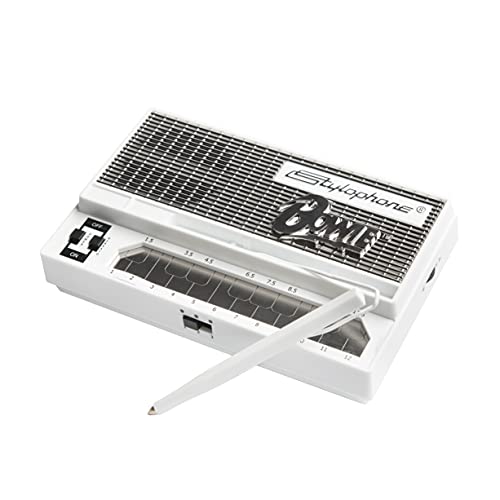
Bowie Stylophone Limited Edition Synthesizer
Stylophone
Mid-Range
Otamatone Deluxe – electronic musical instrument (white)
Otamatone
Mid-Range
Analog Bass Synthesizer and Sequencer by Donner B1
Donner
Mid-Range
Korg Volca Kick Analogue Kick Generator Bundle
KORG
Mid-Range
Otamatone Deluxe electronic musical instrument blue
Otamatone
Mid-Range
Teenage engineering pocket operator PO-28 robot
Teenage Engineering
Mid-Range
Otamatone Deluxe electronic musical instrument
Otamatone
Mid-Range
Behringer Pro VS Mini Hybrid 5-Voice Synthesizer
Behringer
Mid-Range
Stylophone GENX-2 Portable Analogue Synthesizer
Stylophone
Mid-Range
Behringer FOUR LFO Quad LFO for Eurorack
Behringer
Mid-Range
Otamatone Deluxe Batman Electronic Musical Instrument
Otamatone
Mid-Range
Otamatone Deluxe electronic musical instrument
Otamatone
Mid-Range
Otamatone Deluxe Joker electronic musical instrument
Otamatone
Mid-Range
Otamatone Deluxe electronic musical instrument (violet) by Maywa Denki
Otamatone
Mid-Range
Otamatone Deluxe electronic musical instrument (pink) - portable synthesizer
Otamatone
Mid-Range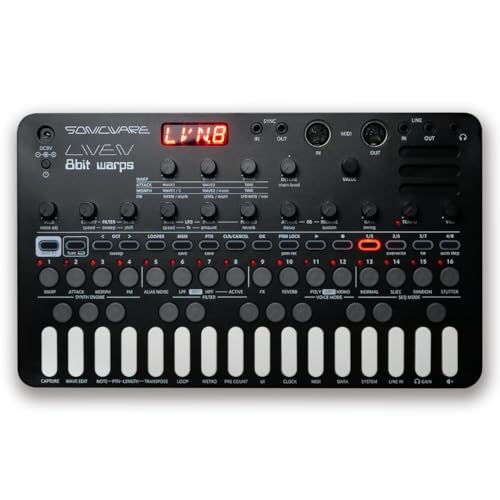
Sonicware Liven 8bit Warps 8-bit Synthesizer & 4-track Looper
SONICWARE
Premium
Moog Sound Studio Accessory Kit with 3-tier Rack
MOOG
Premium
Korg microKORG XL+ 37-Key Synthesizer/Vocoder
KORG
Premium
Korg microKORG Compact Analog Modeling Synthesizer
KORG
Premium
Behringer Spice Analog Semi-modular Polyrhythmic Synthesizer
Behringer
Premium
MOOG DFAM Semi-Modular Analog Percussion Synthesizer with 8 Step Sequencer
MOOG
Premium
MOOG Subharmonicon Semi-Modular Analog Synthesizer
MOOG
Premium
Liven Ambient 4-Layer Ambient Generator by SONICWARE
SONICWARE
PremiumRoundups
Frequently Asked Questions
How do I choose the right tabletop synthesizer for my skill level?
Choose simpler, preset-based or single-oscillator models if you are a beginner; intermediate users often prefer units with hands-on controls (filters, envelopes, LFOs) and patching options; advanced users typically look for deep modulation routing, full synthesis engines (analog modeling or true analog), and MIDI/CV connectivity
What connectivity and compatibility should I look for?
Look for MIDI (DIN or USB) for DAW and controller integration, line outputs or headphone jacks for audio, and CV/Gate if you plan to integrate with modular gear; USB can also provide power and MIDI over USB, while line-level outputs and stereo capability matter for recording and live use
What are the main synthesis types found in tabletop synthesizers and how do they affect sound?
Common types include analog/analog-modeling (warm, harmonically rich tones), FM (bell-like, metallic timbres), wavetable (digitally morphing spectra), and sample-based engines (playback and manipulation of recorded sounds); each type emphasizes different timbral possibilities and workflow
How much should I expect to spend and what do different price ranges get me?
Prices commonly range from budget tabletop units under $100 to pro models above $500; lower-cost units generally offer fewer voices, simpler controls, and digital engines, midrange units add more hands-on modulation and I/O, and higher-priced models often include true analog circuits, polyphony, or extensive connectivity
How important is polyphony and voice count for tabletop synths?
Polyphony determines how many notes can sound simultaneously: monophonic synths are fine for basslines and leads, paraphonic or 2–4 voice units suit simple chords, and 6+ voice polyphony is useful for complex pads and multi-note playing; choose based on playing style and arrangement needs
What should I know about power, portability, and build quality?
Tabletop synths vary between USB/phantom-powered compact units and heavier devices with external adapters; consider battery or USB power for portability, metal or reinforced plastics for durability, and the weight/footprint if you plan to gig or travel with the instrument
What basic maintenance and care do tabletop synthesizers require?
Keep units clean and dry, avoid extreme temperatures, use surge-protected power supplies, update firmware from manufacturer sources when needed, and store cables and connectors properly to prevent connector wear and accidental damage