Tambourines
Handheld and mountable tambourines and jingles for acoustic and electronic setups, including frame, headless, and tambourine-pad styles. Collection spans budget through premium options (45 products, average rating 4.70) with brands like Remo and Meinl Percussion represented. Average price around $60; range $33–$450
Top Products

Remo TA-5210-52 Fiberskyn Tambourine, Quadura Deep Red, 10"
Remo
Budget
Meinl Headliner Series Hihat Tambourine Jingle
Meinl Percussion
Mid-Range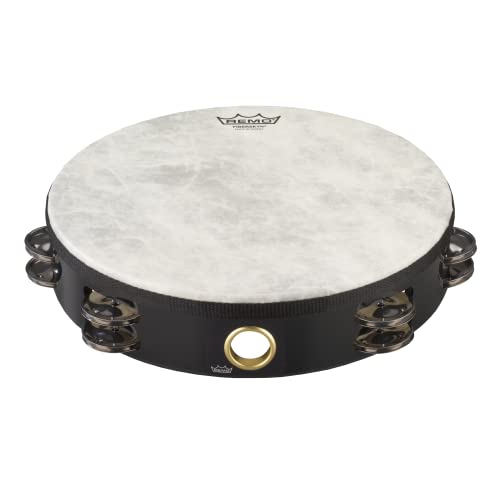
Remo TA-5210-70 Fiberskyn Tambourine, 10" Quadura Black
Remo
Mid-Range
Meinl Signature Hihat Tambourine (Benny Greb) for dry vintage sound
Meinl Percussion
Mid-Range
Aywewii LED Tambourine - Light Up Musical Toy (6 Pack)
Aywewii
Budget
Remo Fiberskyn Tambourine 8" Quadura Deep Red
Remo
Budget
Remo 10" Praise Tambourine with dove graphic
Remo
Budget
Remo Praise Tambourine - Praying Hand, 10"
Remo
Mid-Range
EASTROCK 30 pcs Plastic Percussion Tambourine with 4 Bells
EASTROCK
Budget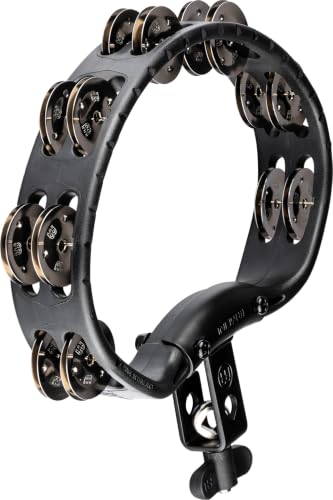
Mountable ABS Tambourine with Guiro Frame
Meinl Percussion
Budget
LP150 Cyclops Tambourine with steel and brass jingles
Latin Percussion
Mid-Range
Tambourines for Adults - 4 Pcs 10 Inch Wooden Birch Metal Jingle
Konohan
Budget
LED Light up Tambourines 24 Pack with 3 light modes
Yunsailing
Mid-Range
Yeshone 30 Pack Tambourine Set (Red & Blue) for Kids & Adults
Yeshone
Budget
Tambourine set with gift tags and ribbon for weddings
Lukmaa
Mid-Range
Musical Instruments Set, 15PCS Natural Wooden Percussion Kit
LHYCS
Budget
LED Tambourines 16-Pack with Glow in the Dark Handheld Percussion Toys
Swakuta
Budget
Tambourine set for weddings, wooden handheld with jingle (24 pcs, colorful, 6 inch)
Lukmaa
Mid-Range
Yeshone 30-pack tambourines for kids and adults
Yeshone
Mid-Range
24 pc tambourine set with wedding gift tags and ribbon
Lukmaa
Mid-Range
12 Pcs Wedding Tambourine Drum for Adults (Wood & Metal) 6 Inch
Lukmaa
Mid-Range
Yeshone 30-pack tambourine set, multi-color children & adult percussion
Yeshone
Budget
Tambourines and Cymbals Set for Kids (72 pcs) Lukmaa
Lukmaa
Mid-Range
Wedding Tambourine Drum for Adults (8 Inch, White) - Lukmaa
Lukmaa
Mid-RangeRoundups
Frequently Asked Questions
How do I choose the right tambourine for my playing style and skill level?
Consider shell material (wood for warmer tone, plastic for brighter, durable sound), head type (headed for tuned accents and muted sounds, headless for jingling focus), diameter (6–12 inches affects volume and feel), and weight/handle comfort; beginners often prefer affordable, lightweight models with a single row of jingles, while professionals may opt for higher-quality wood shells and double-row jingles for fuller sound
What are the main differences between headed and headless tambourines?
Headed tambourines have a drumhead that adds resonance, pitch, and rim-shot possibilities, making them versatile for rhythmic and tonal uses; headless tambourines omit the head and emphasize jingle sustain and projection, often preferred for steady groove and orchestral use
How much should I expect to spend and what value do price tiers generally offer?
Entry-level tambourines are commonly available under $50 and typically use plastic shells and single-row jingles; mid-range instruments in the $50–$150 area often feature better wood or synthetic shells, double-row jingles, and improved craftsmanship; pro models above that prioritize premium materials, superior balance, and longer-lasting hardware
Which jingle configurations matter and how do they affect sound?
Single-row versus double-row jingles affect volume and sustain—double rows yield louder, fuller sound; jingle material (zinc, brass, steel) influences brightness and corrosion resistance, with brass being warmer and steel/brass blends brighter; the cut and spacing also change attack and shimmer
What should I look for in terms of build quality and durability?
Check for secure, evenly seated jingles, a well-finished shell with no warping or cracks, corrosion-resistant jingle rivets, and a comfortable grip or handle; for headed models, inspect the head attachment and tension for evenness and replaceability
How do I care for and maintain a tambourine to extend its lifespan?
Keep it dry and store at moderate temperatures to prevent shell warping and jingle corrosion, wipe metal parts after use, avoid overtightening any screws, replace cracked heads promptly, and periodically check jingle rivets and loose hardware
Can I use a tambourine with electronic setups or in recording situations?
Yes—tambourines record well acoustically; for live amplification or close miking, use a condenser or dynamic mic near the jingles or head to capture presence, consider shielded mounting to reduce handling noise, and choose a model with controlled sustain if you need less wash in a dense mix