Telephone Headsets
Telephone Headsets covers wired and wireless headsets, boom-mic models, and speakerphones for office and call-center use, with about 180 products indexed. Average rating is 4.36 and prices range from $32 to $1,029, spanning budget through premium; notable brands include Yealink
Top Products

EPOS SC 60 USB ML headset for Skype for Business
EPOS
Budget
Plantronics HL10 Handset Lifter, Gray
POLY
Budget
Arama Phone Headset 2.5mm with Noise Canceling Mic & Volume Control
Arama
Budget
Panasonic Hands-Free Headset with Comfort Fit Headband
Panasonic
Mid-Range
BlueParrott B250-XTS Mono Bluetooth Headset with Mic
BlueParrott
Mid-Range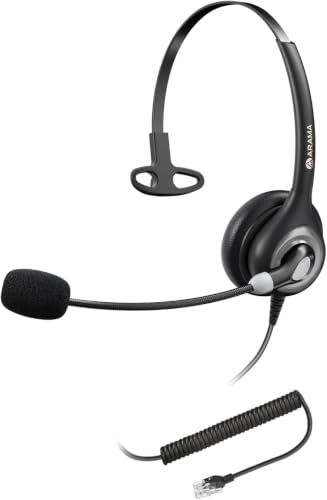
Phone Headset RJ9 with Noise Cancelling Microphone
Arama
Budget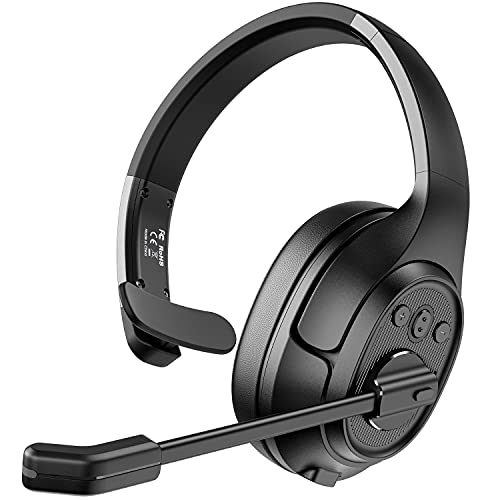
EKSA Noise Cancelling Trucker Bluetooth Headset
EKSA
Mid-Range
TruVoice VoicePro 10 USB Headset with Noise Canceling Mic
TruVoice
Mid-Range
VoicePro 20 USB Headset with Noise Canceling Mic
TruVoice
Mid-Range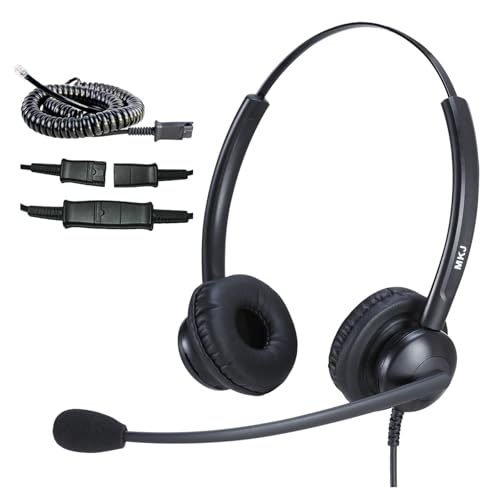
MKJ Cisco compatible wired headset with microphone
MKJ
Budget
MAIRDI Telephone Headset with Noise Canceling Mic
MAIRDI
Budget
Jabra Link Cable 14201-17 for EHS adapter
Jabra
Mid-Range
Plantronics Savi HL10 Headset Lifter
Poly
Mid-Range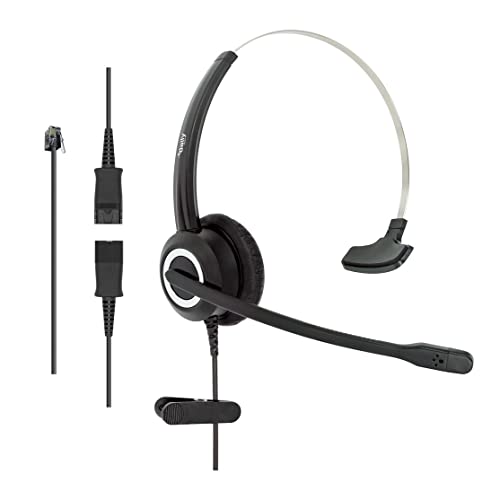
Phone headset with noise-cancelling mic and RJ9/3.5mm adapter
daily headset
Mid-Range
Poly Voyager Focus UC with Charge Stand (Teams Version)
POLY
Premium
INNOTALK Telephone Headset for Cisco 88xx/89xx
INNOTALK
Mid-Range
MKJ Cisco RJ9 headset with noise-canceling mic
MKJ
Budget
TruVoice Office Headset with Noise Canceling Microphone
TruVoice
Mid-Range
RJ9 Office Headset with noise-canceling mic (binaural)
daily headset
Mid-Range
TruVoice HD-500 wired headset with noise-canceling mic
TruVoice
Mid-Range
TruVoice HD-100 Wired Headset with Noise Canceling Mic
TruVoice
Mid-Range
Yealink YHS34 Lite QD to RJ9 wired headset for desk phones
Yealink
Mid-Range
IPD IPH-250 Wired Phone Headset with Noise Cancelling Mic
IPD
Mid-Range
INNOTALK Voice Tube Binaural Cisco Headset (Black), Wired
INNOTALK
Mid-RangeRoundups
Frequently Asked Questions
How do I choose between mono (single-ear) and stereo (dual-ear) telephone headsets?
Choose mono if you need to stay aware of your surroundings or prefer hearing office noise; choose stereo for clearer voice and multimedia playback or when you want immersive audio. Consider your role—receptionists often use mono, while remote workers and traders often use stereo
What connectivity options are available and which should I pick (USB, 3.5mm, DECT, Bluetooth)?
USB headsets are common for softphones and computers and usually offer plug-and-play digital audio; 3.5mm works with older phones and some mobile devices; DECT provides cordless range and is typically used with desk phones; Bluetooth is best for mobile devices and flexible wireless use. Match the headset’s connection type to the primary device you’ll use most
How important is noise cancellation and what types are there?
Noise cancellation improves call clarity by reducing background sound; microphones may use passive noise reduction (physical shielding) or active noise canceling (electronic filtering). For noisy environments, look for headsets with active or multi-microphone noise cancellation and a noise-canceling boom mic
What battery life should I expect for wireless headsets and how should I manage it?
Typical wireless telephone headsets offer anywhere from about 6 hours to 30+ hours per charge depending on model and usage; DECT base stations sometimes provide continuous power for desk setups. Manage battery life by charging during breaks, enabling power-saving features, and keeping firmware updated to maintain efficiency
Which headset features most affect call quality?
Key features affecting call quality are microphone type and placement (boom mics usually outperform omnidirectional mics), noise-canceling technology, audio codecs used for wireless connections, and headset speaker drivers. Also ensure compatibility with your phone or softphone for full feature support
How do I ensure compatibility with my desk phone or softphone platform?
Check the headset’s supported interfaces (RJ9, USB, 3.5mm, Bluetooth, DECT) and look for vendor or platform compatibility listings for your desk phone model or softphone client. Adapters or USB phone connectors are often available to bridge differences, but confirm support before purchasing
What care and maintenance extends headset lifespan?
Keep headsets clean by wiping ear cushions and microphone booms with a soft damp cloth, store them on a stand or in a case when not in use, avoid exposure to extreme temperatures and moisture, and replace worn ear cushions and foam covers as needed to maintain hygiene and acoustic performance