Telescope Eyepieces
Telescope eyepieces for amateur and intermediate astronomy, offering replacement and specialty oculars (wide-field, Plössl, orthoscopic, and planetary) across budget through premium price tiers. The category includes 104 indexed products with an average rating of 4.48 and brands like SVBONY and Celestron represented
Top Products

SV135 1.25x Zoom Eyepiece (7-21mm) for Telescopes
SVBONY
Mid-Range
Celestron 8-24mm Zoom Eyepiece for 1.25" telescopes
Celestron
Mid-Range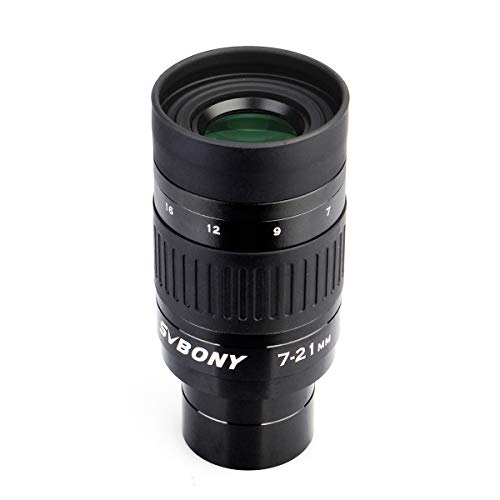
SVBONY SV135 Zoom Eyepiece 7–21mm 1.25"
SVBONY
Mid-Range
SVBONY 1.25-inch 68° Eyepiece, 15mm
SVBONY
Budget
AstroMaster 8-piece Eyepiece & Filter Accessory Kit
Celestron
Mid-Range
SVBONY 1.25in 68° Eyepiece, 9mm, multi-coated
SVBONY
Budget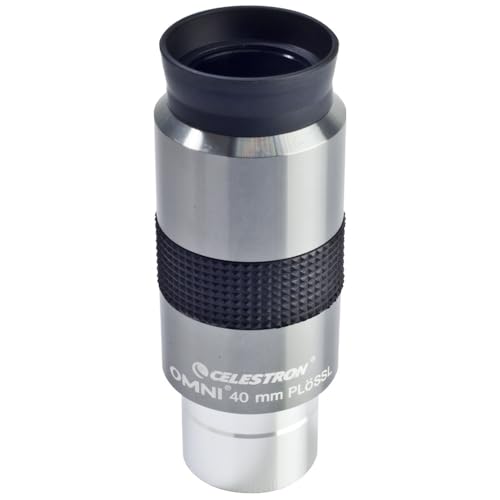
Celestron Omni Series Eyepiece 1.25" 4-element Plossl
Celestron
Mid-Range
Celestron Telescope Eyepiece and Moon Filter Bundle
Celestron
Mid-Range
SVBONY 68° Wide Angle Eyepiece 6mm for 1.25" telescopes
SVBONY
Budget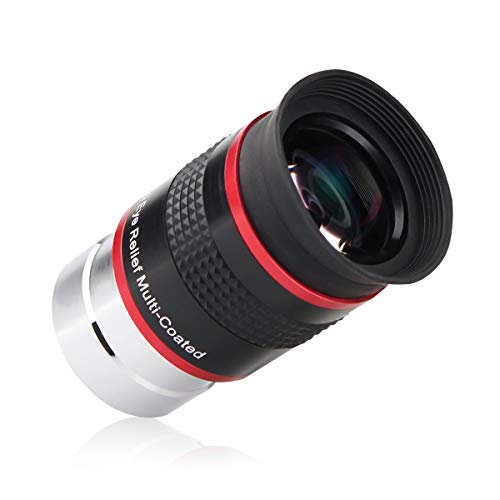
SVBONY 1.25in 68° Eyepiece 20mm
SVBONY
Budget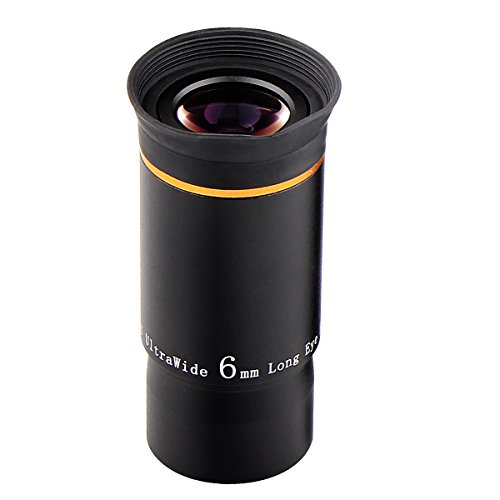
SVBONY 1.25" Eyepiece 66° Ultra Wide 6mm
SVBONY
Budget
Celestron 8-24mm Zoom Eyepiece for 1.25" Telescopes
Celestron
Mid-Range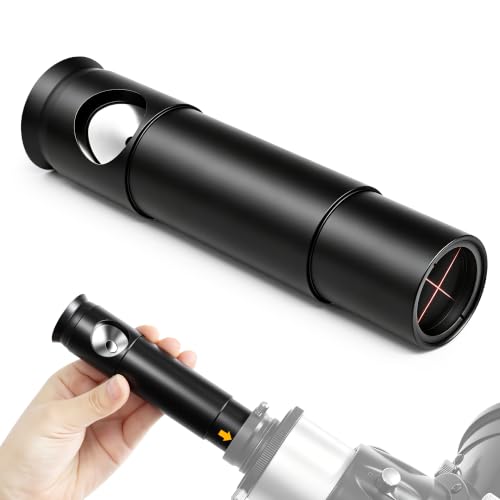
Astromania 1.25in Collimating Cheshire Eyepiece
Astromania
Budget
SVBONY 1.25" Eyepiece Set 66° AFOV, 20mm
SVBONY
Budget
SVBONY 1.25 in Eyepiece 9mm 66° Wide Field Coated
SVBONY
Budget
Astronomical Telescope Accessory Kit with Plossl Eyepieces, Filters & Barlow
CELTICBIRD
Mid-Range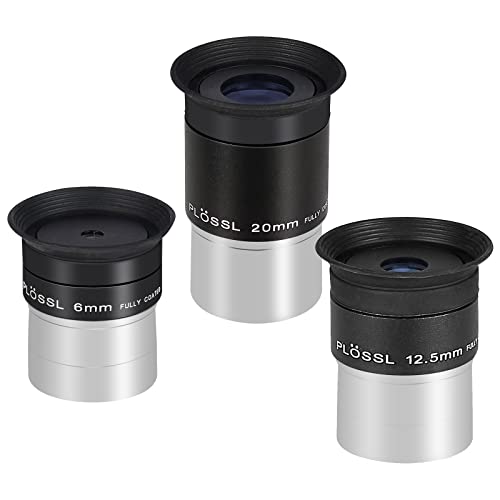
1.25'' Plossl Eyepiece Kit: 6mm/12.5mm/20mm
CELTICBIRD
Mid-Range
Celestron 8-24mm 1.25 Zoom Eyepiece with 2x Barlow
Celestron
Mid-Range
Celestron Zoom Eyepiece with 8–24 mm focal range & NexYZ smartphone adapter
Celestron
Premium
SVBONY 4mm 10mm 23mm Eyepiece Set for 1.25" Telescopes
SVBONY
Mid-Range
Celestron 8-24mm Zoom Eyepiece for 1.25" Telescopes
Celestron
Mid-Range
Astromania 25mm Eyepiece - 1.25 inch, 58° FOV
Astromania
Mid-Range
SV154 1.25 inch SWA 70° 15mm Eyepiece
SVBONY
Mid-Range
Celestron Cheshire 1.25" Collimation Eyepiece
Celestron
BudgetRoundups
Frequently Asked Questions
How do I choose the right eyepiece focal length for my telescope?
Choose focal length based on the magnification you want: magnification = telescope focal length ÷ eyepiece focal length. Shorter eyepieces (e.g., 2–10 mm) give higher magnification for planetary detail; longer eyepieces (e.g., 20–40 mm) give lower magnification and wider fields for deep-sky views
What eyepiece barrel size do I need?
Match the eyepiece barrel diameter to your focuser: common sizes are 1.25 inch and 2 inch. Some telescopes accept adapters, but using the native barrel size avoids vignetting and preserves the advertised field of view
How does apparent field of view (AFOV) affect observing?
AFOV is the angular width seen through the eyepiece; larger AFOVs (60°–100°+) provide a more immersive, panoramic view and make tracking objects easier, while smaller AFOVs give a narrower, tunnel-like view at the same magnification
What optical features should I look for (coatings, element design)?
Look for multi-coated or fully multi-coated optics to reduce reflections and increase contrast. Common designs include Plössl (simple and sharp), wide-angle designs like wide-field or deepsky eyepieces (improved AFOV), and apochromatic elements in higher-end models to reduce color fringing
Can I use eyepieces for both visual observing and astrophotography?
Most eyepieces are optimized for visual use; for astrophotography you typically use dedicated camera adapters, Barlow lenses, or projection eyepiece setups. Some wide-field eyepieces can be used for afocal imaging with a smartphone, but optical alignment and vignetting vary by setup
Do I need multiple eyepieces or will one do?
Multiple eyepieces let you cover a range of magnifications and fields for different targets; a common starter set is a low-power wide-field eyepiece, a medium focal length for general use, and a high-power eyepiece for planetary detail. A Barlow lens can double or triple available magnifications and reduce the number of eyepieces needed
How should I care for and store eyepieces to keep them in good condition?
Store eyepieces in a dry, dust-free case and use lens caps when not in use; clean only when necessary with a blower, soft brush, and lens tissue or microfiber cloth and appropriate cleaning fluid, avoiding harsh rubbing and excessive pressure on coatings