Telescope Finder Scopes
Finder scopes and reflex finders for telescopes, including illuminated reticles and quick-release mounts, used to aim and align optical instruments. The category covers about 20 products across budget to premium price points (avg ~(price varies)) from brands like Celestron and SVBONY
Top Products

Telrad Finder Sight for Telescopes
TELRAD
Mid-Range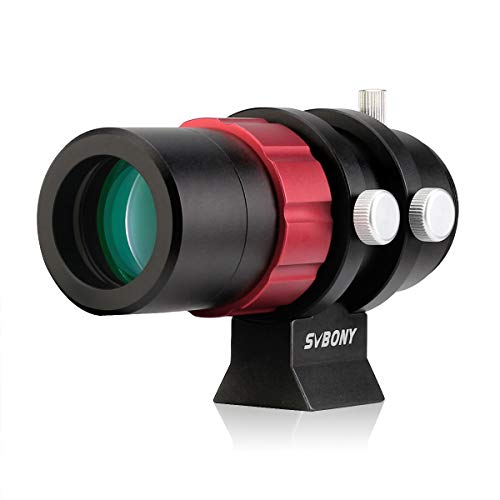
SV165 Mini Guide Scope 30mm F4 Finder for SV305 Pro
SVBONY
Mid-Range
Astromania Tri-Finder Scope Mount Bracket
Astromania
Budget
Right Angle Viewer for Polar Scope with Metal Adapter
MOVE SHOOT MOVE
Mid-Range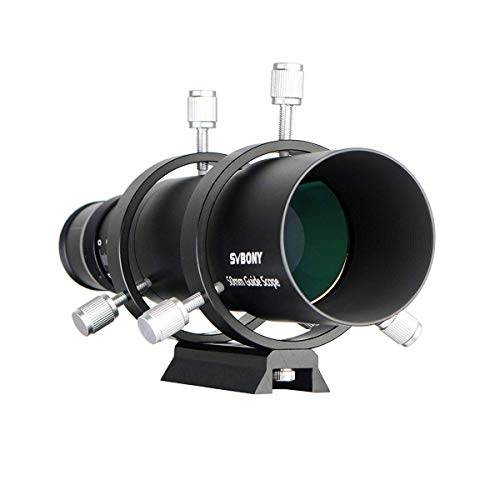
SV106 Guide Scope with Helical Focuser
SVBONY
Mid-Range
SVBONY SV165 40mm Mini Guide Scope
SVBONY
Mid-Range
Astromania 6x30 Finder Scope with Crosshair
Astromania
Mid-Range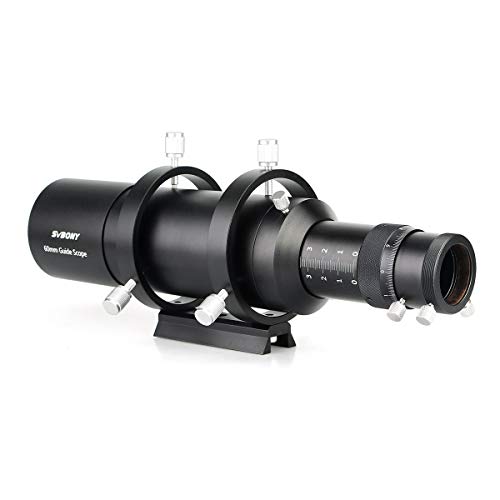
SV106 Guide Scope with Helical Focuser (60mm) for Astrophotography
SVBONY
Mid-Range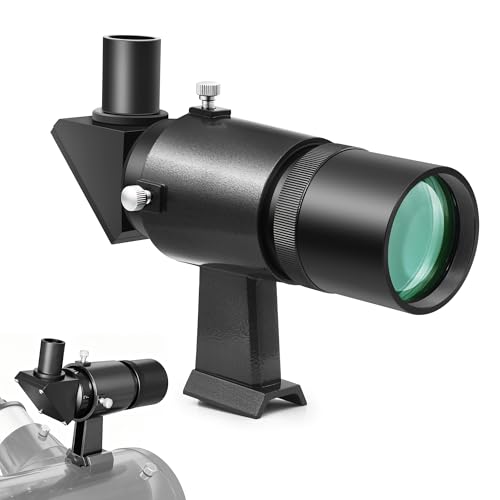
Astromania 9x50 Right Angle Finder Scope with Bracket
Astromania
Mid-Range
SV182 Finderscope 6x30 Right-Angle Scope with Crosshair
SVBONY
Mid-Range
Astromania 50mm FMC guide scope with 1.25" eyepiece compatibility
Astromania
Mid-Range
Astromania 9x50 Finder Scope with 90° Correct Image
Astromania
Mid-Range
Astromania 60mm guide scope with dual focuser for 1.25" eyepieces
Astromania
Mid-Range
Finder Scope 6x30 Right Angle Optical Finder with Bracket
Yunir
Mid-Range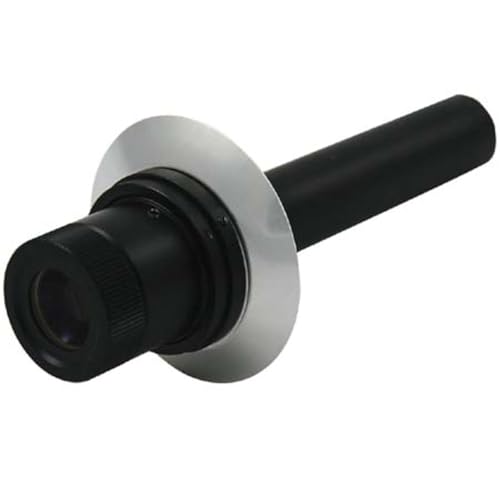
Celestron Polar Axis Finder for CG-4
Celestron
Mid-Range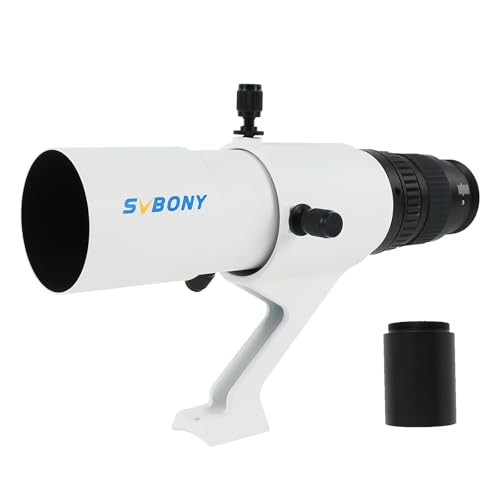
SVBONY SV198 Guide Scope with 50mm Finder Scope
SVBONY
Mid-Range
Illuminated RACI Finder Scope by Celestron
Celestron
Mid-Range
Telescope Finder Scope 5x24 with 45° Bracket Kit
Goshyda
Mid-Range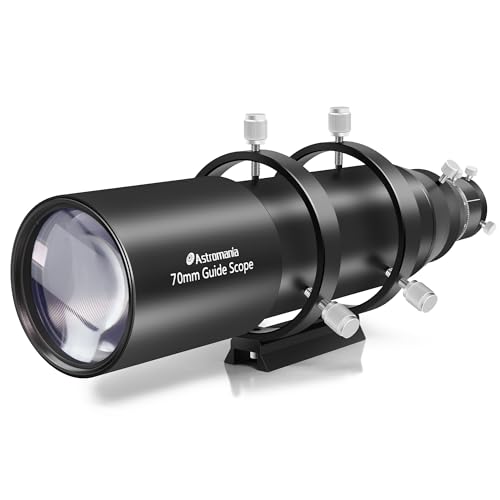
Astromania 70mm guide scope with dual focuser and finder kit
Astromania
Mid-Range
Celestron Off-Axis Guider, black
Celestron
PremiumRoundups
Frequently Asked Questions
How do I choose the right finder scope for my telescope?
Choose a finder scope by matching its mount type and optical format (straight vs. right-angle) to your telescope and observing style, picking an appropriate magnification and aperture for your targets (low to medium mag for wide-field locating), and checking compatibility with your telescope's dovetail or bracket and available mounting points
What are the main differences between red-dot reflex finders and optical finder scopes?
Red-dot reflex finders project an illuminated aiming point and offer instant, parallax-free pointing for quick alignment, while optical finder scopes provide magnified views for centering fainter objects and aid in star-hopping; reflex finders are simpler, optical finders are better for precision and dark-sky navigation
What magnification and aperture should I look for in a finder scope?
Common optical finder scopes use low magnifications (6x to 9x) and small apertures (20–50 mm) to maintain a wide field of view; choose higher aperture/magnification only if you need to see fainter stars for star-hopping, otherwise lower magnification preserves a wider, easier-to-scan field
Are electronic or illuminated reticle finders worth the extra cost?
Illuminated reticles can greatly help aligning in low light by making crosshairs visible without a flashlight, and electronic finders with features like variable brightness or digital displays add convenience for certain setups, but they add complexity and power requirements compared with simple optical or red-dot units
How important is mounting hardware and alignment for a finder scope?
Secure, rigid mounting and a reliable alignment mechanism are crucial—loose or flexible mounts will lose alignment during use; look for dovetail-compatible bases or adjustable brackets with stable thumbscrews and verify you can collimate the finder to the main scope easily
What maintenance and care do finder scopes require?
Keep optics clean by blowing off dust with a blower, use a soft brush or lint-free cloth with lens cleaner for smudges, avoid touching glass, store with caps on and desiccant if possible, and check mounts periodically for tightness and alignment
How much should I expect to pay for a reliable finder scope?
Finder scopes and accessories span a wide range; basic reflex or small optical finders can be found under $50, mid-range illuminated or higher-quality optical units commonly range from $50 to $150, and feature-rich electronic or specialty models may cost more