Telescope Refractors
Refractor telescopes for amateur astronomy and astrophotography, ranging from compact beginner models to higher-aperture optical tubes. The category includes 100 indexed products with an average rating of 4.34 and prices from $36 to $1,800 (avg $206), featuring brands like Celestron and SVBONY
Top Products

PowerSeeker Telescope Accessory Kit with 2x 1.25 Kellner Eyepieces, Filters & Cleaning Cloth
Celestron
Mid-Range
Telescope 70mm Aperture 400mm Refractor with Tripod
ELEFOCUS
Mid-Range
Telescope for kids & adults 70mm aperture 500mm refractor with tripod
HEXEUM
Mid-Range
Gskyer 70mm Refractor Telescope with 400mm AZ Mount
Gskyer
Mid-Range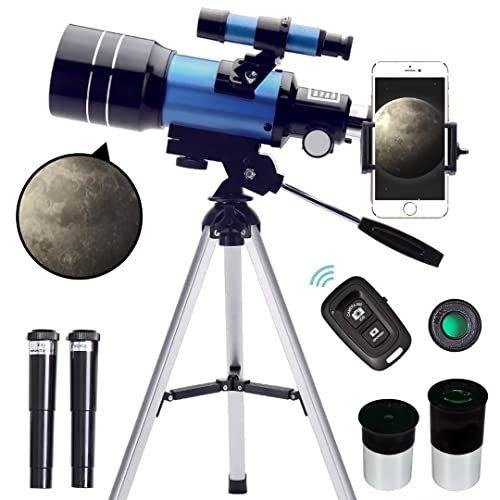
ToyerBee 70mm Travel Refractor Telescope with Smartphone Adapter
ToyerBee
Mid-Range
80mm refractor telescope bundle for beginners
EACONN
Mid-Range
Telescope 70mm Refractor with AZ Mount
HEXEUM
Mid-Range
Telescope 70mm Aperture 400mm AZ Mount Refractor
Koolpte
Mid-Range
ToyerBee 70mm refractor telescope for beginners (15X-150X) with phone adapter
ToyerBee
Mid-Range
Telescopes for Adults Astronomy 80mm Refractor with Backpack
EACONN
Mid-Range
Aomekie Telescope for Adults Beginners 50mm Refractor with Tripod
AOMEKIE
Mid-Range
Gskyer 600x90mm AZ refractor telescope for adults
Gskyer
Premium
Telescope for adults 80mm aperture 600mm refractor with backpack
CELTICBIRD
Mid-Range
Celestron 1.25" Erect Image Diagonal Prism
Celestron
Mid-Range
Celestron Moon Signature Series FirstScope telescope
Celestron
Mid-Range
Telescope for kids with 70mm aperture and 400mm focal length
CELTICBIRD
Mid-Range
Dianfan 80mm Refractor Telescope with Tripod and Accessories
Dianfan
Mid-Range
ESAKO 70mm Refractor Telescope for Kids & Beginners
ESAKO
Mid-Range
AOMEKIE Telescopes 40/400 with Tabletop Tripod
AOMEKIE
Budget
Telescope 80mm Refractor with AZ Mount Tripod & Accessories
HUGERSTAR
Mid-Range
Dianfan 90mm Refractor Telescope with Tripod
Dianfan
Premium
Celestron Travel Scope 80 Portable Refractor Telescope
Celestron
Mid-Range
Telescope for adults with 80mm aperture and 600mm focal length
MEEZAA
Mid-Range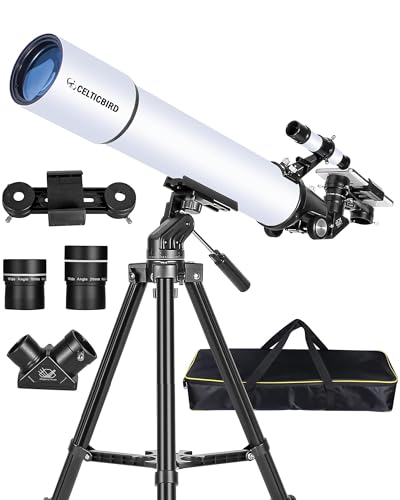
Telescope for adults astronomy beginners, 80mm aperture 800mm refractor
CELTICBIRD
PremiumRoundups
Frequently Asked Questions
How do I choose the right refractor telescope for my skill level?
Beginners should prioritize simplicity: an achromatic refractor with an aperture of 60–90 mm and a sturdy, easy-to-use mount; intermediate users may prefer apochromatic refractors or larger apertures (90–120+ mm) for better color correction and planetary/DSO viewing. Consider portability, mount type (alt-az for ease, equatorial for tracking), and included accessories when matching a telescope to your experience
What aperture and focal length should I look for based on viewing targets?
Aperture determines light-gathering: 60–90 mm is fine for the Moon, planets, and bright star clusters; 100–150+ mm improves views of faint nebulae and galaxies. Focal length affects magnification and field of view: short focal lengths (fast f/ratio) give wider fields for star fields and DSOs, while long focal lengths are better for high-magnification planetary detail
What accessories are essential and which are optional?
Essential accessories include at least one eyepiece (often 25 mm or similar), a diagonal for comfortable viewing, and a finder scope or red dot finder. Optional but useful items are additional eyepieces for varied magnifications, Barlow lenses, quality star charts or apps, filters (e.g., moon or planetary), and a sturdier mount or tripod for stability
How much should I expect to spend on a refractor telescope in this category?
Refractor telescopes in the electronics & gadgets category span a range: budget beginner models can be found under $150, mid-range consumer units typically fall between $150 and $400, and higher-quality apochromatic or larger-aperture refractors often exceed (price varies). Factor in accessories and a mount when budgeting
What maintenance and care does a refractor telescope require?
Keep optics clean by blowing off loose dust with a bulb blower and using lens tissue or a microfiber cloth with lens cleaner for smudges; avoid frequent cleaning to prevent coatings damage. Store the telescope in a dry, dust-free place, use dew shields or heaters as needed, and check collimation for long focal-length refractors or after transport
How important is mount quality and how do I choose one?
Mount quality is crucial because stability affects image sharpness; choose a mount rated to comfortably handle the telescope's weight with minimal vibration. For casual observing, a solid alt-azimuth mount is simplest; for astrophotography or long-exposure work, an equatorial mount with tracking and a motor drive is recommended
Are refractor telescopes good for astrophotography?
Yes—especially apochromatic refractors with well-corrected optics and shorter focal lengths, which provide wide, sharp fields ideal for deep-sky imaging. Successful astrophotography also requires a stable tracking mount, camera adapters, and attention to focus, guiding, and exposure control