Video Display Glasses
Portable head-mounted displays that project video directly in front of the eyes for media playback, gaming, and AR/VR experiences. The category spans budget through premium models (about 20 products, average rating 4.25) with brands like Rokid and XREAL represented. Pricing ranges broadly, reflecting basic viewers to higher-end wearable displays
Top Products

RayNeo Air 3s AR/XR Glasses
RayNeo
Premium
VITURE Pro XR/AR Glasses
VITURE
Premium
VITURE Pro XR/AR Glasses
VITURE Inc.
Premium
Guermok 5-in-1 USB-C AR Glasses Adapter
Guermok
Budget
XREAL One AR Glasses with X1 Chip
XREAL
Premium
Rokid Max AR Glasses with HDMI: immersive cinema-style wearables
Rokid
Premium
Rokid Max 2 AR Glasses
Rokid
Premium
Middle Atlantic IP Controlled 2 Outlet Power Module
Middle Atlantic Products
Premium
RayNeo Air 3s AR Glasses: 201" Portable Theater
RayNeo
Premium
Rokid Max AR Glasses with 120" virtual screen
Rokid
Premium
Rokid AR Spatial Black - 3-Screen Glasses & Station2
Rokid
Premium
VITURE Luma XR Glasses with 146" virtual display
VITURE
Premium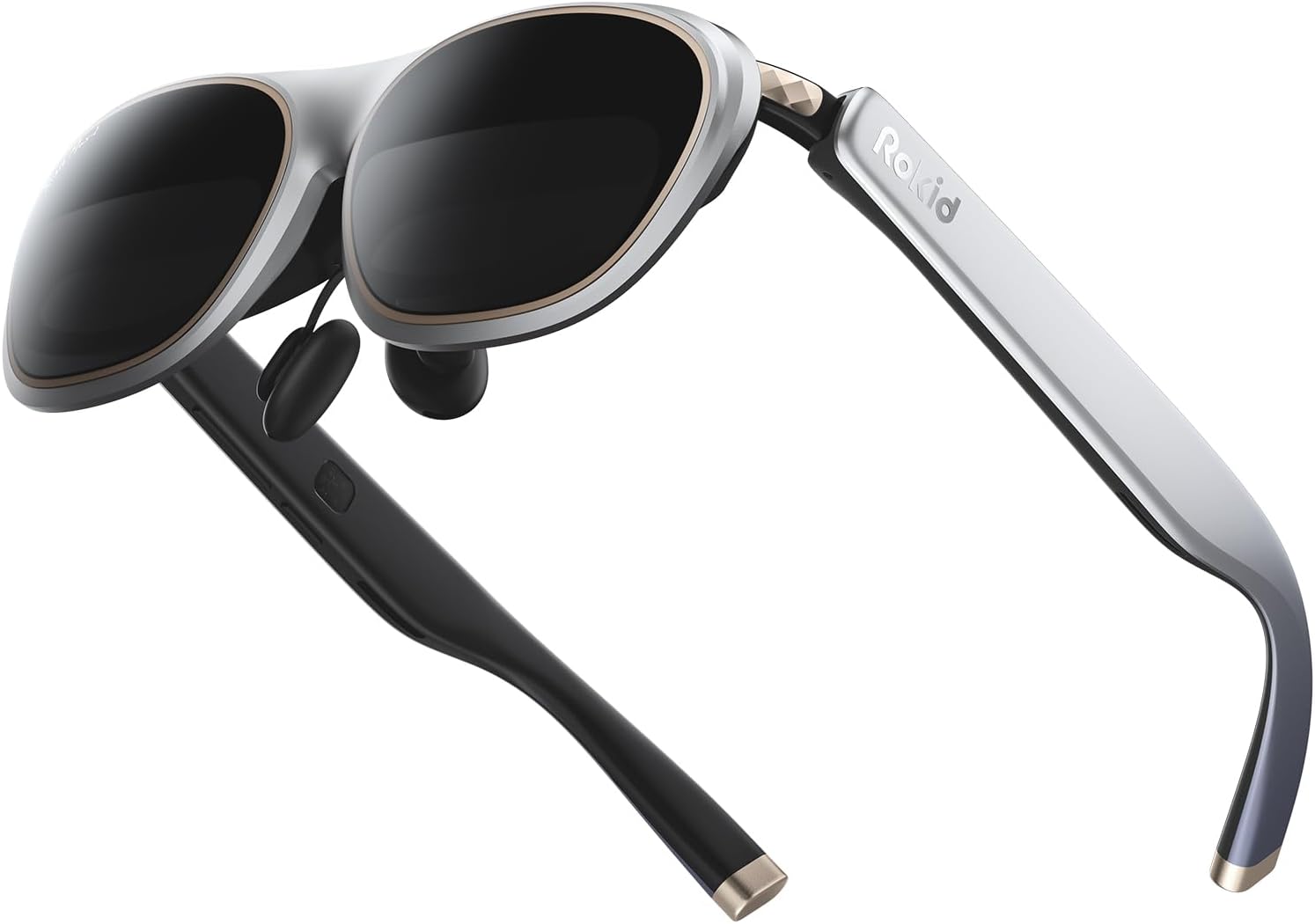
Rokid Max 2 AR Glasses – 215" Micro-OLED display, 50 FOV
Rokid
Premium
Personal Movies Cinema: USB-C video glasses
VISIONHMD
Mid-Range
Rokid AR Spatial Glasses with 3-screen display
Rokid
Premium
GOOVIS Art XR Head Mounted Display with D4H1
Goovis
Premium
XREAL One Pro AR Glasses with X1 Chip
XREAL
Premium
Rokid Max 2 AR Glasses with Micro-OLED 215" Display
Rokid
Premium
Rokid Joy AR Glasses Set with Station
Rokid
Premium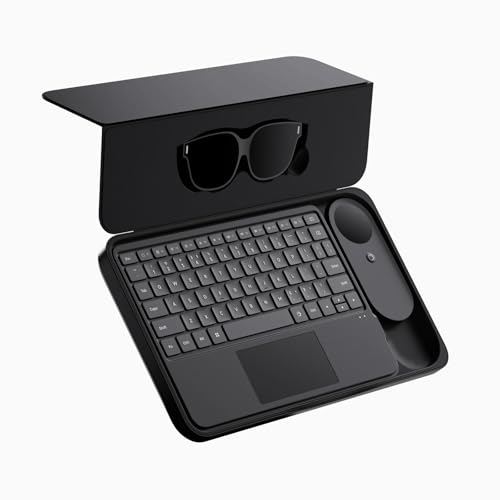
INAIR 2 Elite Suite: AI Spatial OS AR Glasses + Pod
INAIR
PremiumRoundups
Frequently Asked Questions
How do I choose the right video display glasses for my use case?
Choose based on intended use—look for resolution and field of view for media and gaming, battery life and weight for mobile use, and compatibility with your source device (HDMI, USB-C, or wireless) for easy connectivity
What display specs matter most (resolution, refresh rate, field of view)?
Resolution affects image clarity, refresh rate affects motion smoothness (important for gaming), and field of view determines how wide the virtual screen appears; higher resolution and larger FOV improve immersion but can increase cost and power draw
Are video display glasses compatible with phones, tablets, laptops, or consoles?
Many models support multiple sources via HDMI or USB-C video output and some offer wireless casting; check the product’s listed input types and any required adapters or app support for your specific device
What should I expect for battery life and portability?
Battery life typically ranges from a couple of hours to several hours depending on brightness and usage; lighter glasses are easier to wear for long periods, while tethered models may rely on the source device for power and offer longer continuous use
How important is comfort and fit, and what features help with that?
Comfort is critical for extended use—look for adjustable nose pads, lightweight frames, balanced weight distribution, and interchangeable prescription lens inserts if you wear glasses
What connectivity and input features should I check before buying?
Verify supported input ports (HDMI, USB-C, DisplayPort), wireless standards if available (Wi‑Fi or proprietary casting), controller or remote support, and whether the glasses require specific codecs or apps to receive video
How do I care for and maintain video display glasses?
Store in a protective case, clean lenses with a microfiber cloth and manufacturer-approved cleaner, avoid extreme temperatures and moisture, and follow firmware update instructions to keep software and connectivity reliable