Viola Strings
This category covers viola strings and related electronic accessories for violas, spanning budget through premium options across 11 indexed products. Average user rating is 4.65 and featured brands include D'Addario and Thomastik-Infeld. Price range averages around $84
Top Products
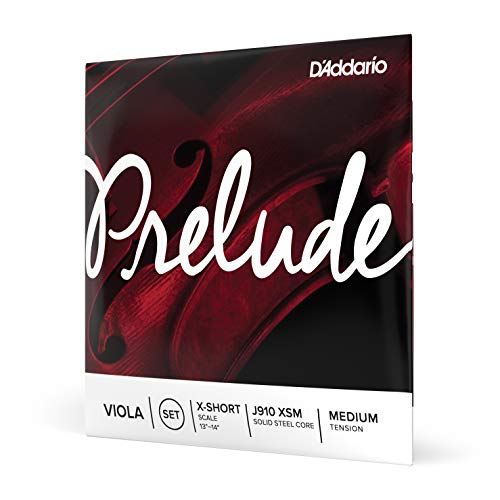
Prelude viola string set, extra short scale, medium tension
D'Addario
Budget
Prelude viola strings, long scale, medium tension
D'Addario
Budget
D'Addario Prelude Viola Set Short Med (J910SM)
D'Addario
Budget
D'Addario Prelude Viola String Set, Medium-Scale
D'Addario
Budget
Larsen Viola A String up to 16.5" aluminum/steel ball end
LARSEN STRINGS
Budget
Helicore viola string set, medium scale, medium tension
D'Addario
Mid-Range
Dominant viola strings set, 16-inch
Thomastik-Infeld
Mid-Range
Tonica viola string set, medium gauge (up to 16.5")
Pirastro
Mid-Range
Thomastik-Infeld Viola String Set (A D G C) – Durable Carbon Steel for articulation
Thomastik-Infeld
Mid-Range
Evah Pirazzi 4/4 viola gold string set (medium gauge)
Pirastro
Mid-Range
DYNAMO Viola Strings 4/4 Set by Thomastik-Infeld
Thomastik-Infeld
PremiumRoundups
Frequently Asked Questions
How do I choose the right viola strings for my playing style and viola size?
Choose strings based on gauge/tension (light/medium/heavy) to match your instrument's body and bridge setup; warmer, richer tone often comes from gut or synthetic-core strings while steel-core strings give brighter, focused sound and quick response. Consider your musical style—classical players often prefer synthetic or gut for warmth and complex tone, while orchestral or amplified settings may favor steel for projection and stability
What are the common string materials and how do they affect tone and durability?
Common materials are gut, synthetic (e.g., perlon), and steel cores; gut/synthetic produce warmer, complex tone with more nuanced overtones but generally need more frequent tuning and care, while steel offers brighter tone, greater tuning stability, and longer lifespan. Many modern strings combine different windings (e.g., silver, chrome, or aluminum) to balance tone, response, and durability
How often should I change my viola strings and what affects their lifespan?
Change strings based on play time and tonal degradation—casual players might replace them every 6–12 months, regular students every 3–6 months, and professionals more frequently depending on performance demands. Lifespan depends on material, frequency of use, sweat/oil exposure, and care; keeping strings clean and wiping them after playing extends life
What setup or instrument adjustments might be needed when switching string types or tension?
Switching to a different gauge or core material can change tension and action; you may need to adjust bridge height, soundpost position, and possibly the nut or tailpiece to prevent buzzing and maintain proper intonation. Have a luthier or experienced technician check the setup after significant string changes, especially when moving between light and heavy tensions or between very different core types
Are there compatibility issues between viola strings and certain tailpieces, fine tuners, or bridges?
Strings are generally compatible with standard tailpieces, fine tuners, and bridges, but high-tension or thicker strings can stress older tailpieces and require sturdier fine tuners; ensure the bridge has appropriate notch spacing and that the tailpiece and fine tuners can accommodate the ball or loop end. If using gut or synthetic strings without built-in fine tuners, consider adding a single fine tuner on the A string or using a tailpiece with integrated tuners
How should I care for and clean my viola strings to preserve tone and longevity?
After each use, wipe strings with a soft, dry cloth to remove rosin and oils; avoid solvents that can damage windings or finish. Periodically loosen strings for a brief inspection, and if you use metal polish or specialized cleaners, apply them only following manufacturer guidance and avoid contact with the instrument's varnish