Violin Bows
Collection of violin bows and related electronic accessories for violinists, spanning budget through premium options across 45 indexed products with an average rating of 4.40. Prices range roughly $33–$655 (average about (price varies)), and top brands include VINGOBOW among others
Top Products

Kmise Carbon Fiber Violin Bow 4/4, Lightweight Anti-Deformation
Kmise
Budget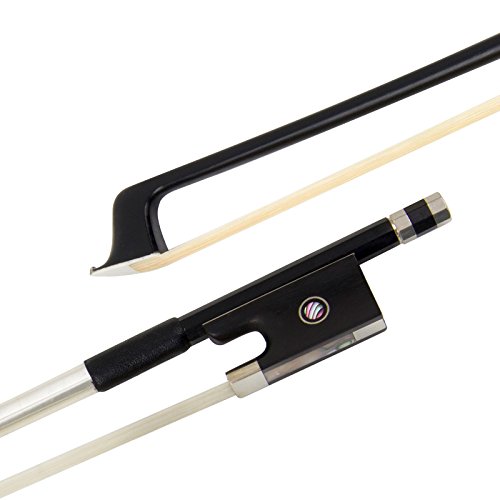
Kmise Carbon Fiber Violin Bow 4/4 (Black) – Lightweight, Anti-Deformation
Kmise
Budget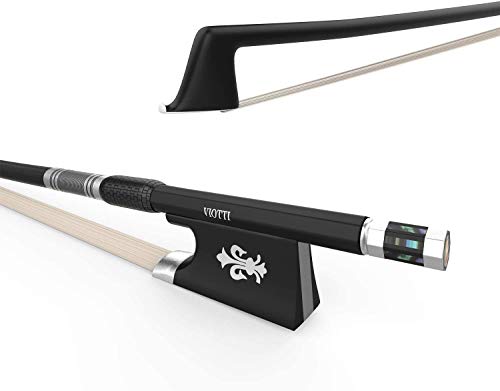
Viotti Carbon Fiber Violin Bow
Viotti
Mid-Range
Carbon Fiber Violin Bow by Viotti
Viotti
Mid-Range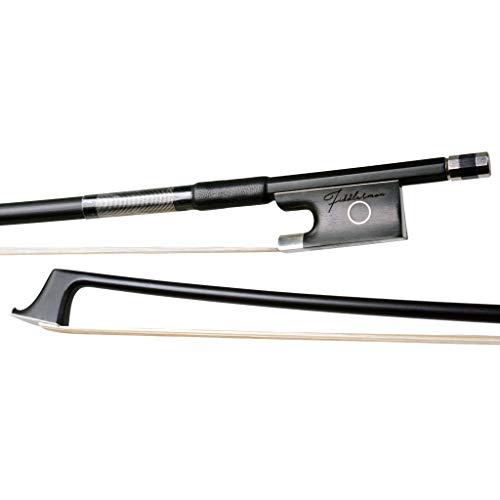
Fiddlerman Carbon Fiber Violin Bow 4/4
Fiddlerman
Mid-Range
Carbon fiber violin bow 4/4, 74.5 cm, VINGOBOW 100V
VINGOBOW
Mid-Range
Carbon Fiber Violin Bow 4/4 100VB by VINGOBOW
VINGOBOW
Mid-Range
1/8 size carbon fiber violin bow with black horsehair
VINGOBOW
Mid-Range
ADM 4/4 Full Sizeviolin Bow with Brazilwood, ebony frog
adm
Budget
Carbon violin bow 4/4 by VINGOBOW with horsehair
VINGOBOW
Mid-Range
ADM 1/2 Half-Size Violin Bow, Brazilwood with Horsehair
adm
Budget
Advanced 4/4 Pernambuco Violin Bow with Horsehair
AMZZ
Budget
PAITITI Carbon Fiber Violin Bow with Abalone Inlays, 4/4
Sky
Mid-Range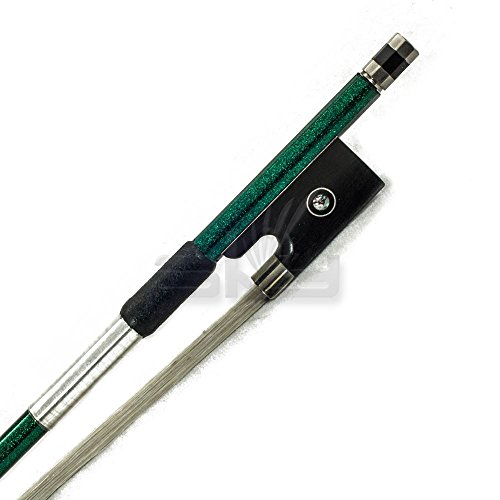
PAITITI 4/4 Carbon Fiber Violin Bow with Mongolian horsehair
Sky
Mid-Range
Brazilwood Violin Bow 1/2 Size, Advanced Level
VINGOBOW
Mid-Range
AMZZ Carbon Fiber Violin Bow 4/4 Full Size
AMZZ
Budget
Carbon Fiber Violin Bow 4/4 with Natural Horsehair
Q QINGGE
Mid-Range
Sky 4/4 Satin Carbon Fiber Violin Bow
Sky
Mid-Range
Carbon Fiber Violin Bow 4/4 Durable For Daily Practice
Generic
Mid-Range
PAITITI 4/4 Violin Bow with Carbon Fiber Round Silver Wrap
Sky
Mid-Range
Violin Bow 4/4 Full Size Snakewood Baroque Style
yinfente
Mid-Range
Kmise Carbon Fiber Violin Bow 4/4, Lightweight, Anti-Deformation
Kmise
Mid-Range
Vaguelly 1/8 Violin Bow with Horsehair, Light Weight
Vaguelly
Budget
AMZZ Master 4/4 Pernambuco Violin Bow – Handmade, Concert-Grade
AMZZ
Mid-RangeRoundups
Frequently Asked Questions
How do I choose the right violin bow weight and balance?
Select a bow whose weight matches your instrument and playing style: typically 56–64 grams for full-size bows; lighter for faster articulation, heavier for fuller tone. Check balance point (distance from frog) — a mid-to-forward balance suits most players — and try bows to feel responsiveness and comfort
What materials are common for violin bows and how do they affect sound and durability?
Common materials include pernambuco wood (traditional, warm tone), brazilwood (more affordable wood option), and carbon fiber or composite (durable, stable in changing climates). Carbon fiber bows are resilient to humidity and travel, while wooden bows are prized for tonal nuance but require more climate care
How much should I expect to spend for a beginner, intermediate, or advanced bow?
Budget options for beginners commonly fall under about $50–$100; many intermediate bows range from roughly $100–$300; advanced and professional bows can extend higher. Prices vary by material, craftsmanship, and brand
What features should I look for on the frog and winding?
Inspect the frog for secure fit, smooth button operation, and clean inlay work; look for a comfortable thumb grip and a well-fitted ferrule. Winding materials (wire, silk, or synthetic) affect balance and grip — wire offers durability and weight, while silk or synthetic winding is lighter and traditional
How do I care for and maintain a violin bow to extend its life?
Loosen the hair tension after each use, wipe the stick with a soft cloth to remove rosin, avoid touching hair with fingers, and store the bow in a case away from extreme heat or humidity. Regular rehairing every 6–12 months depends on use; check for loose fittings or warping and consult a luthier for repairs
Are carbon fiber bows a good choice for travel or fluctuating climates?
Yes; carbon fiber and composite bows are more resistant to temperature and humidity changes and are less likely to warp than wooden bows, making them practical for travel and variable environments while still delivering reliable playability
How can I test a bow online if I can't try it in person?
When buying online, review detailed specs (weight, balance, material), look for clear photos of the stick and frog, check seller return policies and warranty, and read aggregated user ratings for playability and durability; prefer sellers offering trial periods or easy returns