Violin Shoulder & Chin Rests
Violin shoulder and chin rests for acoustic players, including adjustable foam, wood, and contour designs that improve fit and comfort while playing. The category averages a 4.55 rating across 10 products with mid-range prices around $32–$50 and offerings from brands like Kun and NANYI
Top Products

4-String Violin Shoulder Rest in Black (841230)
WOLF
Budget
Kun Collapsible 5/4 Viola Shoulder Rest
Kun
Budget
Wolf Forte Primo Violin Shoulder Rest 4/4-3/4 Height Adjustable Both Sides Straight Shape
Wolf
Budget
Wittner Violin Chinrest (430605)
Wittner
Budget
Violin Shoulder Rest 4/4/3/4 Size Aluminum Alloy Rubber Feet
WUQIMUSC
Budget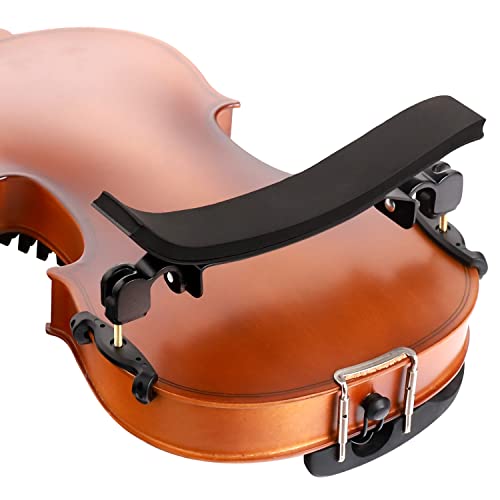
Violin shoulder rest 4/4 aluminum alloy with foam pad
SUEWIO
Mid-Range
Kun Collapsible Mini Purple Shoulder Rest for Violin
KUN
Budget
Wolf Forte Secondo Violin Shoulder Rest – 3/4–4/4, adjustable height
TNLWAC
Budget
Kun Shoulder Rest for SV-100/130
Kun
Budget
NANYI Violin Shoulder Rest 3/4-4/4, aluminum alloy, cushioned pad
NANYI
Mid-RangeRoundups
Frequently Asked Questions
How do I choose the right shoulder or chin rest for my violin size and playing style?
Match the rest height and shape to your shoulder width and neck length: lower, narrower rests suit smaller players or those who hold the violin close to the shoulder; higher, wider rests help players who need more clearance or prefer a looser grip. Consider adjustable or removable pads and a rest that allows a comfortable left-hand position for shifting and vibrato
What materials and features affect comfort and sound?
Common materials include wood, plastic, carbon fiber, and foam; wood and carbon fiber tend to be more rigid and can subtly affect resonance, while plastic and foam prioritize padding and comfort. Look for contoured shapes, non-slip surfaces, and adjustable clamps to balance comfort with stable contact and minimal dampening of the instrument's vibrations
Are adjustable or universal rests worth it compared to model-specific ones?
Adjustable or universal rests provide flexibility for different violins and multiple players and often include interchangeable pads or height adjustments; model-specific rests may offer a better personalized fit and consistent contact. Choose adjustable if you need versatility, and a fitted rest if you want a tailored fit for a single instrument
How do shoulder and chin rests attach and will they damage my violin?
Most rests use padded metal clamps that attach to the violin's edges without permanent alteration; proper installation avoids over-tightening to prevent marring or denting. Use protective rubber or felt pads, check fit regularly, and consult a luthier if clamps don't align to avoid stress on the instrument
What maintenance is required to keep a rest hygienic and functioning?
Wipe pads and surfaces with a slightly damp cloth after use to remove sweat and rosin; replace foam or rubber pads when compressed or discolored, and periodically check screws and clamps for tightness. For wooden rests, avoid prolonged exposure to humidity and extreme heat to prevent warping
Will a different rest change my violin's tone or playability?
Yes—rests alter contact points and mass distribution, which can subtly affect resonance and response; a heavier or more rigid rest may dampen some frequencies, while lighter, well-fitted rests preserve more of the instrument's natural tone. Trial and adjustment are often necessary to balance comfort and desired sound