Violin Strings
This category covers violin strings and related string sets for acoustic and electric violins, spanning budget through premium options from core makers. It includes gut, steel, and synthetic-core strings; D'Addario is among the top brands represented. Average price sits around $72 across 29 indexed products with an average rating of 4.54
Top Products

Dominant 135B Violin Strings Set for 4/4 with steel E ball
Thomastik-Infeld
Mid-Range
D’Addario Helicore 4/4 Violin Strings Set with Plain E, Heavy Tension
D'Addario
Mid-Range
Helicore 4/4 Violin Strings Set with Plain E - H310 4/4M, Medium Tension
D'Addario
Mid-Range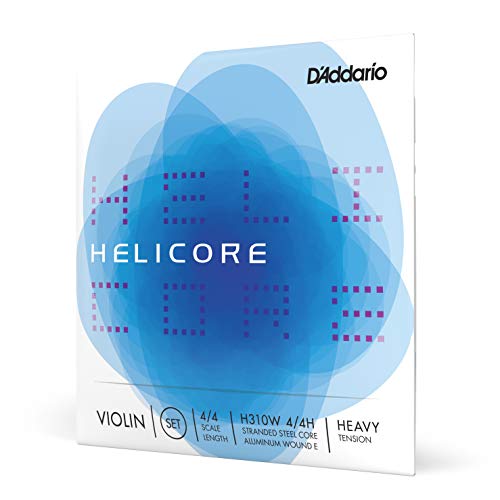
Helicore 4/4 Violin String Set with Aluminum E - H310W 4/4H
D'Addario
Mid-Range
Helicore 4/4 Violin String Set with Aluminum E (H310W 4/4M)
D'Addario
Mid-Range
Dominant Violin Strings Complete Set by Thomastik-Infeld
Thomastik-Infeld
Mid-Range
D'Addario Pro-Arte Nylon Violin Strings 4/4M, Medium
D'Addario
Mid-Range
Fiddlerman Violin String Set - Synthetic Core (4/4 & 3/4) with Ball-End
Fiddlerman
Budget
Tonica Violin Strings Set 4/4 by Pirastro
Pirastro
Mid-Range
NS310 electric violin strings, medium tension
D'Addario
Mid-Range
Viotti Violin Strings 4/4 Full Set - Medium Tension Synthetic-Core with Gold E
Viotti
Budget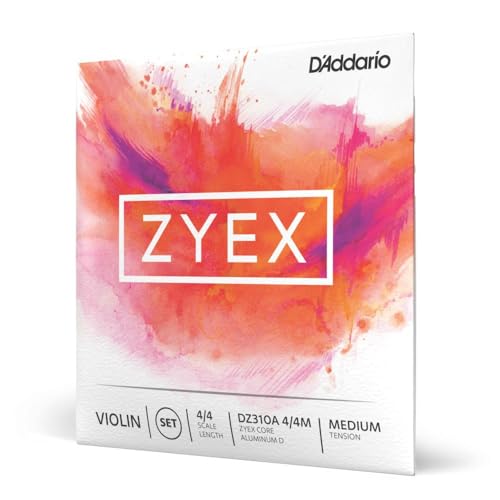
D'Addario Zyex Violin String Set, 4/4, Medium Tension
D'Addario
Mid-Range
Dominant Pro Violin Strings 135SNP Synthetic Core (4/4)
Thomastik-Infeld
Mid-Range
Thomastik-Infeld Violin Strings (15) – Rope core, aluminum A, chromium D&G
Thomastik-Infeld
Mid-Range
Dominant Pro Violin Strings DP100 - 4/4 synthetic core set
Thomastik-Infeld
Mid-Range
Thomastik-Infeld PI100 Violin Strings 4/4 with Platinum E
Thomastik-Infeld
Mid-Range
Evah Pirazzi 4/4 Violin String Set - Medium Gauge, Loop-End E
Pirastro
Mid-Range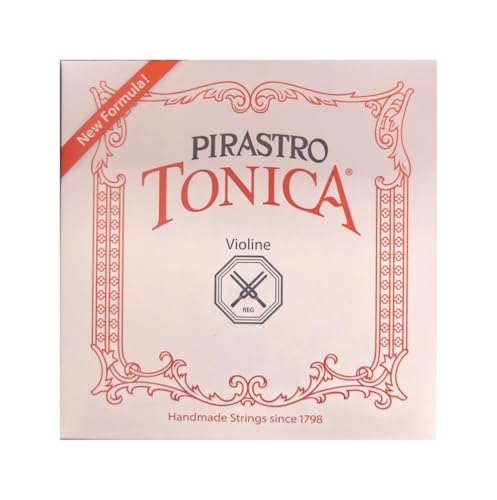
Tonica Classic Violin Strings 4/4 Ball End
Tonica
Mid-Range
Classical violin strings 135B full set 4/4 ball end
135B
Mid-Range
Tonica Violin Strings Set with Gold Label E Ball End 4/4
Tonica
Mid-Range
Kaplan Amo Violin Strings Full Set 4/4M KA310
D'Addario
Mid-Range
Vision Titanium Solo Violin Strings 4/4 Complete Set
Thomastik-Infeld
Mid-Range
Helicore Octave Violin Strings by D'Addario
D'Addario
Mid-Range
Thomastik Vision Solo 4/4 Violin String Set - medium gauge
Thomastik-Infeld
Mid-RangeRoundups
- Best Violin Strings for Bluegrass Fiddling (2026)
- Best Violin Strings for Studio Recording (2026)
- Best Violin Strings for Orchestral Playing (2026)
- Best Violin Strings for Old-Time Fiddling (2026)
- Best Violin Strings for Orchestral Practice (2026)
- Best Violin Strings Under $200 (2026)
- Best Violin Strings Under $100 (2026)
- Best Violin Strings Under $50 (2026)
- Best Violin Strings (2026 Guide)
Frequently Asked Questions
How do I choose the right violin strings for my skill level and playing style?
Beginners often prefer steel-core or synthetic-core strings for tuning stability and durability, while intermediate and advanced players may choose synthetic-core or gut-core strings for warmer tone and greater responsiveness; consider your genre (classical, folk, jazz) and whether you prioritize projection, warmth, or bright clarity
What are the main string materials and how do they affect tone and playability?
Steel-core strings produce a bright, focused tone and fast response; synthetic-core (e.g., perlon) offers a warmer, more complex tone with good stability; gut-core yields rich, warm timbre favored in period and solo performance but requires more frequent tuning and care
How should I budget for violin strings and how often will I need to replace them?
Prices commonly range from budget options under $50 to premium sets above $100, with an average around $70–80; recreational players typically change strings every 6–12 months, frequent players and professionals may replace them every 1–3 months depending on use and tonal preference
What gauge or tension should I pick, and how does tension affect my instrument?
Strings come in light, medium/normal, and heavy tension: lower tension is easier to bow and gentler on the instrument, while higher tension increases volume and projection but raises finger and bridge pressure; consult your luthier if unsure, since excessive tension can affect soundpost and bridge setup
Are there compatibility issues with certain strings and my violin or setup?
Some high-tension or thick-gauge strings may require minor adjustments (bridge, soundpost, tailpiece) and may not suit fragile instruments; also check whether your tailpiece has fine tuners for the E string—many players use a steel E or dedicated fine-tunable E string for easier tuning
How should I care for and store violin strings to maximize lifespan?
Wipe strings clean after each use to remove rosin and sweat, avoid exposing the instrument to extreme humidity or temperature, and loosen the bow hair (not the strings) when storing; proper maintenance and regular tuning extend string life and preserve tone
How do I evaluate sound and playability when testing new strings?
Listen for tonal balance across G–E, responsiveness to bowing dynamics, sustain, and how easily the string speaks on light bow strokes; also check tuning stability over several days and whether the string creates any unwanted buzzing or adjustments are needed