Vocal Effects Processors
Vocal effects processors are electronic units and pedals that apply real-time effects—reverb, harmony, pitch correction, and looping—to live or recorded vocals. This category spans budget through premium hardware (15 products indexed, average rating 4.31) with brands like TC Helicon and BOSS commonly represented
Top Products

TC Helicon TalkBox Synth Guitar and Vocal Effects Processor
TC Helicon
Mid-Range
Vocal Processor with AI Vocal Remover and Bluetooth Input
ECHOMUSSY
Mid-Range
Portable Vocal Remover with AI Real-Time Voice Elimination
ELFEYE
Mid-Range
Play Acoustic 3-Button Vocal & Guitar Effects Stompbox
TC Helicon
Premium
TC-Helicon VoiceTone D1 Vocal Effects Processor
TC Helicon
Mid-Range
TC-Helicon VoiceTone C1 vocal effects processor
TC Electronic
Mid-Range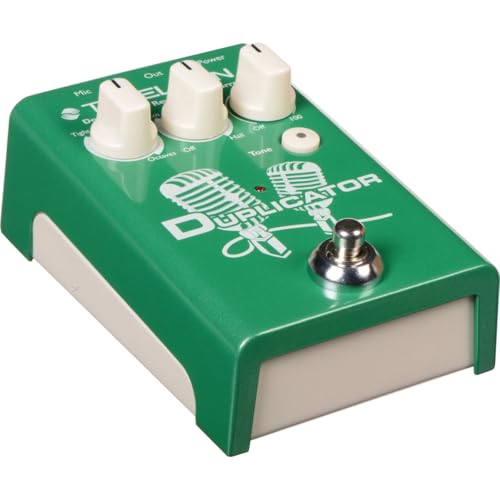
DUPLICATOR Vocal Effects Pedal by TC Helicon
TC Helicon
Mid-Range
TC Helicon Perform-V Ultimate Vocal Processor
TC Helicon
Premium
TC Helicon Voice Live Play vocal effects processor
TC Helicon
Premium
Roland VT-4 Vocal Transformer
Roland
Premium
Boss VE-5 Vocal Performer Effect Processor (Red)
Boss
Premium
MOOER GE1000 Dual Effects Chain Processor
MOOER
Premium
Zoom V3 Vocal Processor with 3-part harmony and adapter
Zoom
Premium
BOSS VE-22 Vocal Performer multi-effects processor
BOSS
Premium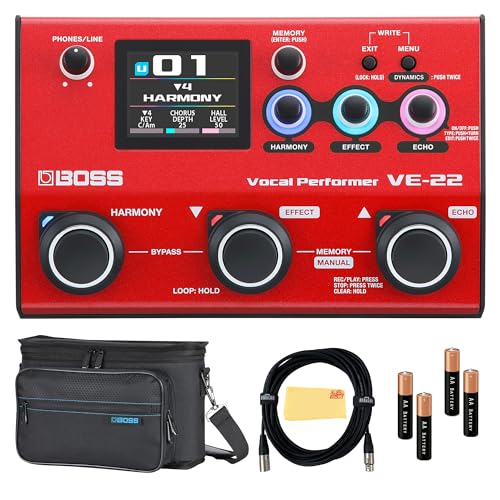
Boss VE-22 Vocal Performer Bundle
BOSS
PremiumRoundups
Frequently Asked Questions
How do I choose the right vocal effects processor for my needs?
Choose based on intended use (live performance vs. studio), required effects (reverb, delay, harmonies, pitch correction), I/O options (XLR, TRS, USB), form factor (rack, pedal, desktop), and ease of use; verify compatibility with your microphone and mixing setup
What are the essential features to look for in a vocal effects processor?
Essential features include high-quality reverb and delay, pitch correction or harmony, low-latency processing, balanced mic input with preamp, noise gate or de-esser, and flexible routing (send/return or USB) for integration with PA or DAW
How much should I expect to spend on a vocal effects processor?
Prices vary widely: budget units and simple pedals often start under $100, mid-range processors commonly fall between $150–$400, and advanced rack or multi-effect units can exceed several hundred dollars depending on features and build quality; the category average here is around $240
Can I use a vocal effects processor with any microphone and PA system?
Most processors accept standard XLR or TRS mic/line inputs and will work with common dynamic and condenser microphones, but confirm phantom power availability for condensers and check that output types (balanced/unbalanced, XLR/TRS) match your PA or mixer inputs
What should I consider about latency and live performance?
Look for processors specified with low processing latency (typically a few milliseconds) and dedicated real-time modes; lower latency is important for pitch correction and harmony effects to avoid audible delay during live singing
How do I maintain and care for a vocal effects processor?
Keep the unit clean and dry, use a surge protector or power conditioner, avoid extreme temperatures, update firmware from the manufacturer when available, and store in a padded case if transporting frequently to prevent physical damage
Do vocal effects processors integrate with recording software (DAWs)?
Many models offer USB or audio interface functionality or provide presets and parameter control via computer software; check for class-compliant USB, driver requirements, and DAW compatibility before purchase