Water Cooling Systems
Water cooling systems for PCs and electronics include radiators, pumps, reservoirs, tubing, fittings, and closed-loop or custom-loop kits for thermal management. The category spans budget to premium options (about $32–$700, average ~(price varies)) and features brands like PrimoChill and Corsair among 82 indexed products with an average rating of 4.51
Top Products

PrimoChill RFB Finishing Bit for hardline tubing
PrimoChill
Mid-Range
PrimoChill 10mm ID x 14mm OD Rigid PETG Tubing 750mm (6 Pack) Clear
PrimoChill
Mid-Range
MasterLiquid ML240L V2 RGB CPU Cooler
Cooler Master
Mid-Range
CORSAIR XR5 240mm water cooling radiator (dual 120mm) white
Corsair
Mid-Range
CORSAIR Nautilus 240 RS 240mm AIO CPU Cooler
Corsair
Mid-Range
PrimoChill RFB Finishing Bit for hardline tubing
PrimoChill
Mid-Range
Alphacool AlphaTube TPV Tubing 12.7mm/7.6mm 3.3m Matte Black
Alphacool
Budget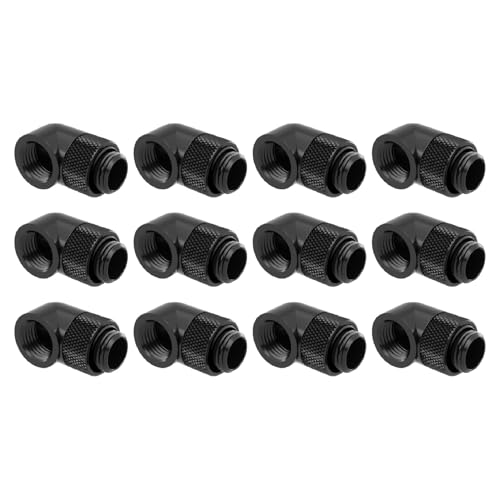
G1/4" Rotary Fitting Adapter 12-pack for water cooling (Black) male to female
greenDracaena
Mid-Range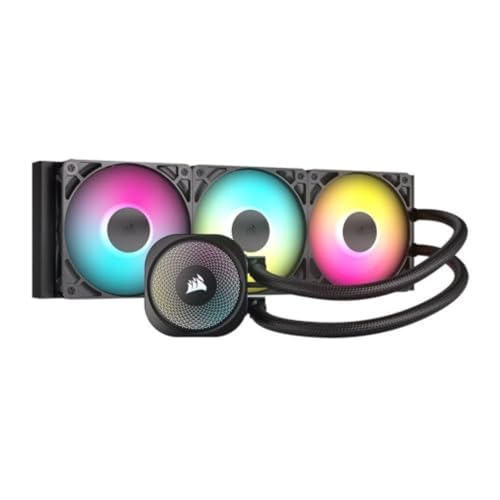
CORSAIR Nautilus 360 RS ARGB Liquid CPU Cooler 360mm AIO
Corsair
Mid-Range
PrimoFlex LRT custom watercooling tubing -3/8in.ID x 1/2in.OD, 10 ft
PrimoChill
Mid-Range
Corsair Nautilus 360 RS Liquid CPU Cooler 360mm AIO
Corsair
Mid-Range
CORSAIR XR5 360mm radiator - copper core, 3x120mm fan mounts
Corsair
Mid-Range
PrimoChill 1/2in. RevolverSX Fitting, 6 Pack, Candy Purple
PrimoChill
Mid-Range
Thermaltake DIY Water Cooling Tube Bending Kit CL-W093-AL00BL-A
Thermaltake
Mid-Range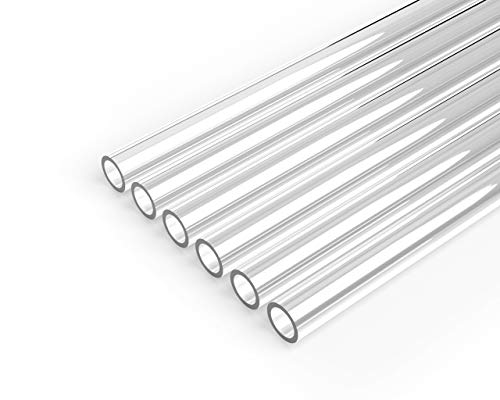
PrimoChill PETG Tubing 12mmID x 16mmOD, 750mm (RTP16M-630) - 6 Pack
PrimoChill
Mid-Range
Cooler Master 120L Core Close-Loop AIO Liquid Cooler
Cooler Master
Mid-Range
CORSAIR Nautilus 360 RS ARGB 360mm AIO CPU Cooler
Corsair
Mid-Range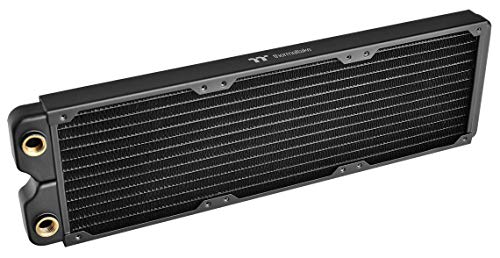
Thermaltake DIY Liquid Cooling System C360 radiator
Thermaltake
Mid-Range
Hot Racing Water Cooler Jacket 36mm Spartan
Hot Racing
Mid-Range
Alphacool Eiszapfen 13/10mm Compression Fitting G1/4 - Chrome Sixpack
Alphacool
Mid-Range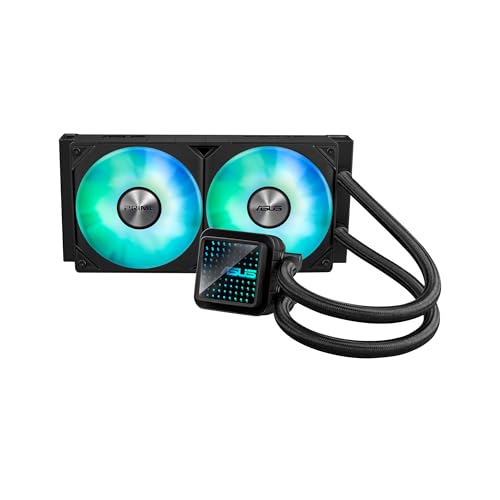
ASUS Prime LC 240 ARGB All-in-one CPU Cooler
ASUS
Mid-Range
Thermal Grizzly WireView GPU Power Monitor
Thermal Grizzly
Mid-Range
G1/4" Plug Fittings Kit for Computer Water Cooling (20 pcs) - Silver
BXQINLENX
Mid-Range
MONTECH HyperFlow ARGB 360 AIO CPU Cooler
Montech
Mid-RangeRoundups
Frequently Asked Questions
What types of water cooling systems are available and which is best for my PC?
There are primarily all-in-one (AIO) closed-loop coolers and custom/open-loop kits; AIOs are prefilled, easy to install, and suitable for most users, while custom loops offer better cooling performance and component-level customization but require more planning, assembly, and maintenance
How do I choose the right radiator size and fan configuration?
Pick a radiator length and thickness that fits your case and matches heat output: common sizes are 120mm, 240mm, 360mm, etc.; more radiator surface area and high-static-pressure fans improve cooling, so prioritize the largest radiator your case supports and a fan setup (push, pull, or push-pull) that balances airflow and noise
What compatibility concerns should I check before buying a water cooling system?
Verify case clearance for radiator and pump/block, motherboard and CPU socket mounting compatibility, RAM and VRM clearance around the block, and whether the power supply has required connectors; for custom loops, also confirm tubing, fitting sizes (typically 1/4" or 3/8"/1/2" ID/OD), and radiator thickness compatibility
How much should I expect to spend and what affects cost?
Prices range widely: budget AIOs and basic custom-loop components can be under $50-$100, while high-end AIOs and full custom-loop builds often cost several hundred dollars; factors include radiator size, pump and block quality, included fans, materials (copper vs aluminum), and whether multiple GPU/CPU blocks are needed
What maintenance is required for AIOs versus custom loops?
AIOs are low-maintenance and typically don’t require fluid changes, but you should check for leaks and fan/pump operation; custom loops need periodic fluid replacement, corrosion checks, cleaning blocks and radiators, and inspecting/retightening fittings every 6–18 months depending on coolant and usage
What are the common risks and how can I minimize them?
The main risks are leaks, incompatible materials causing corrosion, and pump failure; minimize them by using quality fittings, following manufacturer mounting instructions, choosing compatible materials (avoid mixing aluminum with copper without proper coolant), pressure-testing or running the loop off-system before powering components, and using reputable coolant additives
How do noise and pump/fan quality impact performance?
Higher-quality pumps and fans typically deliver better flow and static pressure at lower noise levels; when choosing a system, compare reported pump RPM/noise and fan specifications (dBA, airflow, static pressure) to balance thermal performance with acceptable noise for your environment