Weather Radios
Weather radios and emergency broadcast receivers for home and outdoor use, including NOAA-capable, hand-crank, solar, and battery models. The category spans budget through mid-range options (about $32–$249, avg ~(price varies)) with 125 products and an average rating of 4.46; top brands include QAUYYW and Midland
Top Products

FosPower Emergency Weather Radio A6 with 4 power sources
FosPower
Budget
NOAA weather radio with hand crank, solar charger
Eoxsmile
Budget
FosPower Emergency Weather Radio A3 with 14800mWh Power Bank
FosPower
Mid-Range
Raynic Emergency Radio 5000mAh with NOAA alerts
Raynic
Mid-Range
Raynic NOAA Weather Radio with Solar Hand Crank
Raynic
Mid-Range
Raynic Weather Radio with 5 power sources (Green)
Raynic
Budget
Raynic Emergency Weather Radio 12000mAh
Raynic
Mid-Range
Kaito KA500RED 5-Way Emergency Weather Radio
Kaito
Mid-Range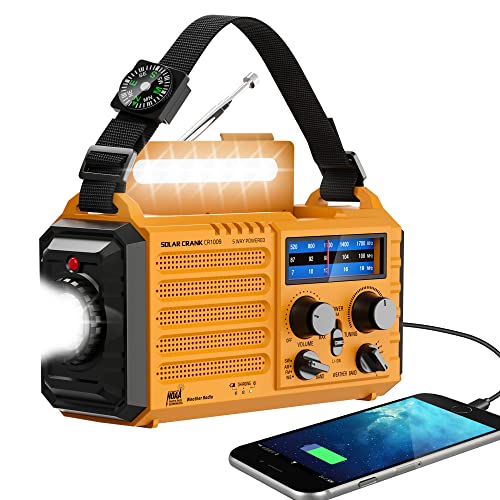
Emergency NOAA Weather Radio with Solar Power
Eoxsmile
Budget
Raynic Solar Weather Radio with 5 power sources
Raynic
Mid-Range
Emergency Radio with NOAA Alerts and 12000mAh Power
Eoxsmile
Mid-Range
Raynic Emergency Radio with NOAA Alert and Solar Hand Crank
Raynic
Mid-Range
Emergency Radio with hand crank and solar charging
Puiuisoul
Mid-Range
Midland ER50 Emergency Radio with Weather Alert
Midland
Mid-Range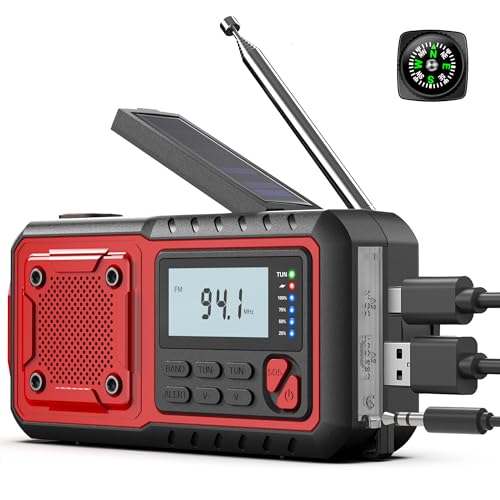
Crank Emergency Radio 5000mAh, Weather Radio
SIYEGK
Budget
Radios for Emergency: Solar Charger Hand Crank NOAA Weather Radio
Nitigo
Budget
Midland WR120B NOAA Emergency Weather Radio
Midland
Mid-Range
Emergency Radio Hand Crank Solar 5000mAh NOAA AM/FM
Vokida
Budget
Midland ER210 NOAA emergency weather radio
Midland
Mid-Range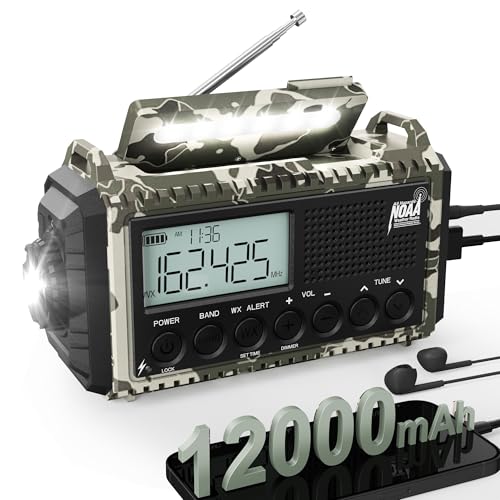
Hand Crank Solar Emergency Radio with 12000mAh Battery
ROCAM
Mid-Range
48100mWh emergency weather radio with solar crank and LED light
Zpincsipo
Mid-Range
Hand Crank Emergency Radio with Solar Charging
Rychi
Budget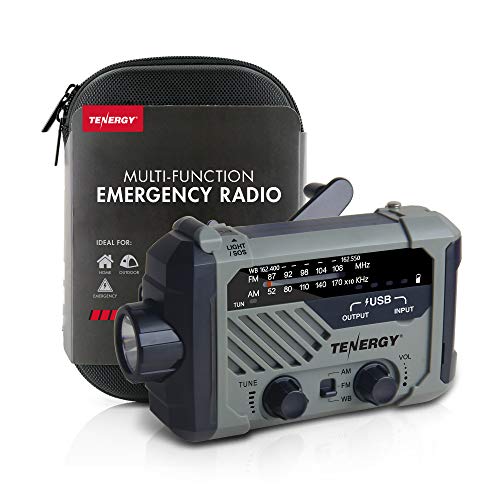
Tenergy Hand Crank Weather Radio with LED Lights & USB Power
Tenergy
Mid-Range
AUTO NOAA Emergency Weather Radio with 12000mAh Battery
ROCAM
Mid-RangeRoundups
- Best Weather Radios for Camping Trips (2026)
- Best Weather Radios for Power Outage Preparedness (2026)
- Best Weather Radios for Disaster Preparedness (2026)
- Best Weather Radios for Emergency Preparedness Kit (2026)
- Best Weather Radios for Outdoor Camping (2026)
- Best Weather Radios Under $200 (2026)
- Best Weather Radios Under $100 (2026)
- Best Weather Radios Under $50 (2026)
- Best Weather Radios (2026 Guide)
Frequently Asked Questions
How do I choose the right type of weather radio for home or travel?
Decide based on intended use: tabletop or plug-in units for home, compact battery- or hand-crank models for travel and emergencies. Check for NOAA/NWS SAME alert capability, battery backup, and power options (AC, batteries, USB, crank) to match your use case
What features matter most for receiving reliable emergency alerts?
Look for NOAA/NWS SAME or SAME-equivalent alerting, NOAA weather band coverage (VHF frequencies), an alert tone or vibration, and a clear display; locking to weather band and auto-alert functions improve reliability
How much should I expect to pay and what do price differences reflect?
Weather radios commonly range from budget options under $50 to higher-end units over $100; higher prices usually reflect better build quality, multiple power sources, SAME programming, longer battery life, and additional features like flashlight, siren, or Bluetooth
Are rechargeable batteries or hand-crank power better during extended outages?
Rechargeable batteries and USB charging provide convenience and faster recharging, while hand-crank and solar panels offer reliable off-grid power without needing external electricity; the best choice is a unit that combines multiple power options for redundancy
What antennas and reception tips improve signal in weak-signal areas?
Use the longest extendable internal or external antenna, position the radio near a window and elevated location, and orient the antenna for best reception; external antenna ports help if you can attach a larger antenna
How do I maintain and test a weather radio to ensure it works when needed?
Replace batteries regularly, keep rechargeable batteries charged, test the alert function per manufacturer instructions monthly, clean contacts and connectors, and store the unit where it can be heard or accessed quickly during an emergency
Which extra features are useful but not essential when buying a weather radio?
Useful nonessential features include built-in flashlight or lantern, USB charging ports for phones, AM/FM radio, siren, Bluetooth audio, and display backlight; prioritize core alerting and power reliability before extras