Balance Boards
Balance boards for balance, core and proprioception training, ranging from simple wobble boards to rocker, roller and balance pad designs. About 143 products indexed with an average rating of 4.54 and prices from $32 to $749, spanning budget through premium options; top brands include Libima
Top Products

Yes4All Upgraded Foam Pad for Exercise and Balance
Yes4All
Budget
StrongTek Wooden Balance Board
StrongTek
Budget
Vive Balance Pad – Foam Large Yoga Mat Trainer for Stability
Vive
Budget
Vive Balance Pad – Foam Large Yoga Mat Trainer for Therapy & Rehab
Vive
Budget
Vive Balance Pad – Foam Yoga Mat Trainer for Stability & Rehab
Vive
Budget
Versatile wooden wobble balance board for mobility and core training
Yes4All
Mid-Range
Gentle Monster Wooden Wobble Balance Board 35 Inch
Gentle Monster
Mid-Range
StrongTek Wood Balance Board for under-desk workouts
StrongTek
Mid-Range
The Workout Balance Board with a Twist by Simply Fit Board
Simply Fit Board
Budget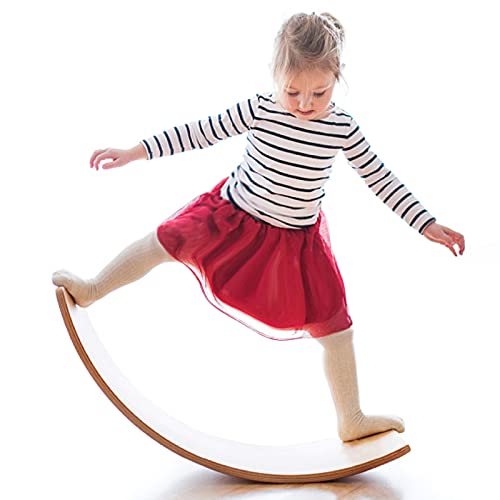
Gentle Monster Wooden Balance Board, 35 Inch Rocker Board
Gentle Monster
Mid-Range
Yes4All wooden balance board with anti-slip surface
Yes4All
Budget
StrongTek Wooden Balance Board
StrongTek
Mid-Range
Vive Balance Pad for Balance, Mobility & Rehab
Vive
Budget
AIREX Balance Pad for stability training
AIREX
Mid-Range
Gentle Monster Wooden Wobble Balance Board - 35 Inch Rocker Board
Gentle Monster
Mid-Range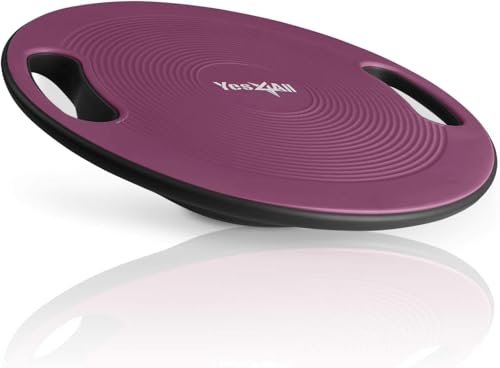
Yes4All Upgraded Wobble Balance Board
Yes4All
Budget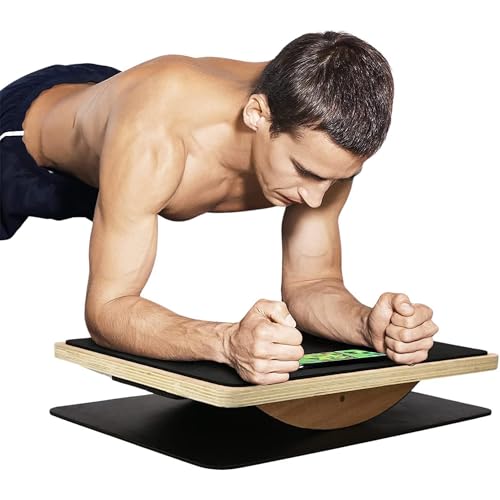
Yes4All Wooden Balance Board for leg workout and balance
Yes4All
Mid-Range
StrongTek Hedgehog Balance Pods Kit (5) with Pump
StrongTek
Budget
2-in-1 Non-Slip Balance Pad by StrongTek
StrongTek
Budget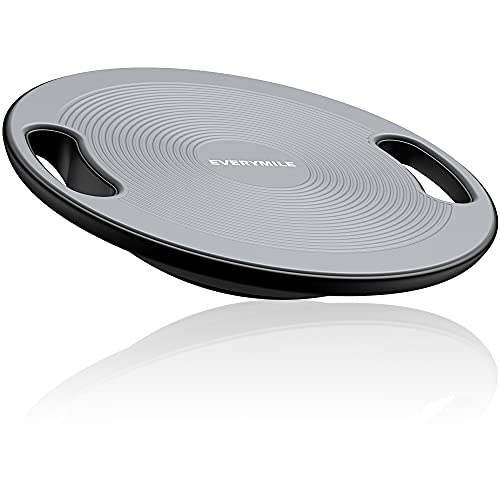
EVERYMILE Wobble Balance Board with Handle
EVERYMILE
Mid-Range
EVERYMILE Wobble Balance Board with Handle
EVERYMILE
Mid-Range
Yes4All Wooden Balance Board for Leg Workout
Yes4All
Mid-Range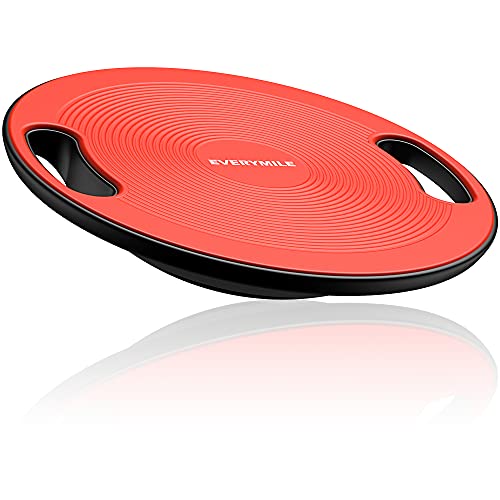
EVERYMILE Wobble Balance Board with Handle
EVERYMILE
Mid-Range
EVERYMILE wobble balance board with handle
EVERYMILE
Mid-RangeRoundups
Frequently Asked Questions
How do I choose the right type of balance board for my fitness goals?
Select based on purpose: wobble/rocker boards and rollers improve ankle stability and proprioception; rocker or rocker-roll boards are better for balance training and rehabilitation; long slackline-style boards work core and coordination for surf/skate training. Consider your experience level—beginners should pick boards with limited tilt or wider platforms
What features should I look for regarding size, material, and weight capacity?
Look for a platform width and length that fits your stance (wider/stiffer for beginners), durable materials like hardwood, layered plywood, or reinforced plastic, and a weight capacity that exceeds your body weight plus any added load; many boards support 200–300+ lbs depending on design
How much should I expect to spend and what are the typical price ranges?
Balance boards commonly range from budget options under $50 to higher-end models over $150, with an average price around $80; price varies with materials, brand, included accessories (rollers, straps), and target use (rehab vs sport-specific training)
Are balance boards safe to use at home and what precautions should I take?
They are generally safe if used on a non-slip surface, with proper footwear or barefoot, and with space around you to step off; beginners should practice near a stable support (wall or sturdy chair) and progress gradually to avoid falls and ankle injuries
How do I maintain and clean a balance board to ensure longevity?
Wipe down surfaces with a damp cloth and mild detergent, avoid soaking wooden boards, keep the board dry and stored away from direct sunlight or extreme humidity, and periodically check hardware (screws, fittings) and rollers for wear
Can balance boards help with rehabilitation or are they mainly for athletic training?
They are used for both: low-angle, controlled boards are commonly used in rehabilitation for ankle and knee stability, while more dynamic boards target athletic balance, core strength, and proprioception; consult a healthcare professional for post-injury use
Do I need any accessories or additional equipment to get started?
Basic use often requires no extra gear, but beginners may benefit from non-slip mats, a support bar or chair for safety, and instruction resources or apps; some boards are sold with rollers or straps that expand training options