Bike Handlebars
This category covers road, aero, and flat handlebars for fitness and cycling applications, including alloy and carbon options for performance or commuter use. Eighteen products average a 4.64 rating and typical prices fall between $33 and $69, with brands like RXL SL represented
Top Products

31.8mm Mountain Bike Handlebar with 780mm width and 120mm rise
GEWAGE
Budget
FIFTY-FIFTY MTB Riser Handlebar 31.8mm 780mm
FIFTY-FIFTY
Mid-Range
FIFTY-FIFTY Mountain Bike Riser Handlebar 31.8mm 780mm
FIFTY-FIFTY
Mid-Range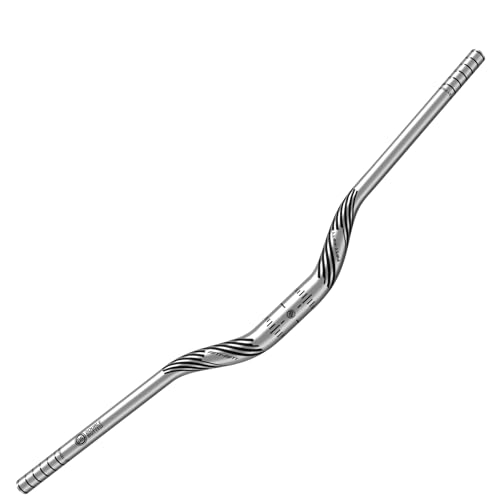
FIFTY-FIFTY MTB Riser Handlebar, 31.8mm, 780mm
FIFTY-FIFTY
Mid-Range
PLATT MTB Handlebar 31.8mm 780mm rise
PLATT
Budget
Aerobar Bracket Riser Kit for aerobars
Profile Design
Mid-Range
Aerobar Bracket Riser Kit for Profile Design
Profile Design
Mid-Range
FIFTY-FIFTY MTB Riser Handlebar 31.8mm 780mm
FIFTY-FIFTY
Mid-Range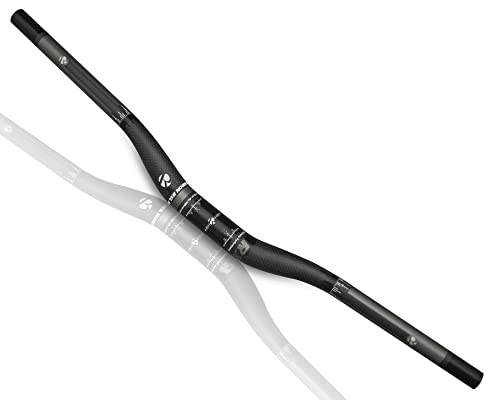
Carbon MTB Handlebars 31.8mm 3K Matt Glossy 680-760mm
RXL SL
Mid-Range
Carbon MTB Handlebars 31.8mm 680-760mm
RXL SL
Mid-Range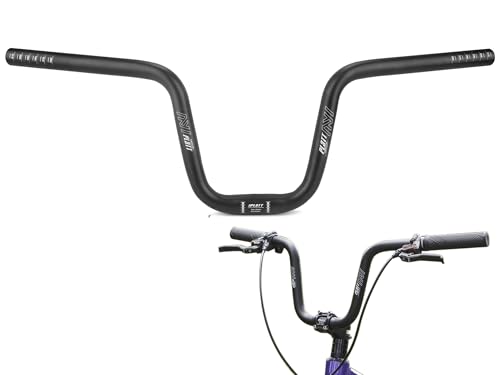
PLATT Mountain Bike Riser Handlebar 25.4mm 620mm
PLATT
Budget
Carbon MTB Handlebars 31.8mm 680-760mm
RXL SL
Mid-Range
Carbon MTB Handlebars, 31.8mm, 680-760mm
RXL SL
Mid-Range
Carbon MTB Handlebars 31.8mm 3K
RXL SL
Mid-Range
35mm diameter 720mm rise bicycle handlebars
BICYCGEAR
Budget
PNW Gen 4 Range Alloy MTB Handlebar, 35x25mm, black/gray
PNW Components
Mid-Range
Gen 4 Range Alloy MTB Handlebar 31.8x38mm, black/gray
PNW Components
Mid-Range
BMX Handlebar with Stem (585mm 22.2mm) - Swallow Shaped High-Carbon Steel, Black
Generic
Mid-RangeRoundups
Frequently Asked Questions
How do I choose the right handlebars for my bike and riding style?
Match handlebar type to your bike and riding goals: drop bars for road/speed, flat or riser bars for commuting and mountain riding, and bullhorn or pursuit bars for time-trial or aggressive urban riding. Check clamp diameter, stem compatibility, and rise/width measurements to ensure fit and comfortable reach
What handlebar widths and shapes should I consider for comfort and control?
Width should roughly match shoulder width for balanced control; wider bars increase stability while narrower bars improve aerodynamics. Consider sweep (backwards angle), rise (vertical height), and flare (outward angle) — more sweep or rise can relieve wrist strain, while flare adds leverage on rough terrain
Which materials are common and how do they affect performance and durability?
Aluminum is common for affordability and stiffness, steel offers durability and a smoother ride at higher weight, and carbon fiber is lighter and can damp vibration but is more expensive and requires careful installation to avoid crushing. Choose material based on budget, weight preference, and intended use
What clamp diameter and compatibility issues should I check before buying?
Most handlebars list a center clamp diameter (commonly 31.8 mm for modern stems or 25.4 mm for older stems) and bar end diameters for grips/shifters; confirm your stem and controls match those specs. Also verify compatibility with brake/shift lever mounts and internal cable routing if required
Are there safety or installation tips I should follow when swapping handlebars?
Use a torque wrench and follow manufacturer torque specs for the stem faceplate and clamp bolts, inspect for cracks or steerer interference, and align handlebars straight before tightening. Re-check bolt torque and brake/shift cable routing after a short test ride
How much should I expect to pay and what are budget vs. upgrade considerations?
Handlebars in this category commonly range from budget options under $50 to higher-performance bars costing well above that; average prices vary by material and brand. For basic commuting, aluminum or steel under $50–$100 is typical; carbon or specialty shapes command higher prices for weight and comfort gains
How do I maintain handlebars to extend lifespan and safety?
Regularly inspect for visible damage, corrosion, or stress cracks (especially on carbon bars), keep clamp surfaces clean and properly torqued, and replace bars after a crash or if any structural issues appear. Use manufacturer-approved grease or paste where specified for aluminum-carbon interfaces to prevent slippage or seizing