Bike Rear Shocks
Rear shocks for bicycles, including coil and air designs for comfort and trail control, with mid-range options for commuter and light off-road use. The category covers about 20 products averaging a 4.23 rating and roughly (price varies) average price. Top brands represented include CNC and DNM
Top Products

CNC Mountain Bike Rear Shock 120–200mm hydraulic
CNC
Mid-Range
CNC rear shock for MTB 120–200mm eye-to-eye shock
CNC
Budget
Chooee mountain bike rear shock absorber 120-200mm
Chooee
Mid-Range
DNM Damping 2 System Mountain Bike Rear Shock
DNM
Mid-Range
CNC Rear Shock 120–200mm for MTB/E-bike
CNC
Mid-Range
CNC Mountain Bike Rear Shock 120-200mm hydraulic suspension
CNC
Mid-Range
Chooee Mountain Bike Rear Shock absorber 120-200mm
Chooee
Mid-Range
CNC rear shock absorber for MTB 120–200mm eye-to-eye
CNC
Mid-Range
Chooee mountain bike rear shock absorber 120-200mm (165mmx1000lbs)
Chooee
Mid-Range
Chooee mountain bike rear shock absorber 165mmx750lbs
Chooee
Mid-Range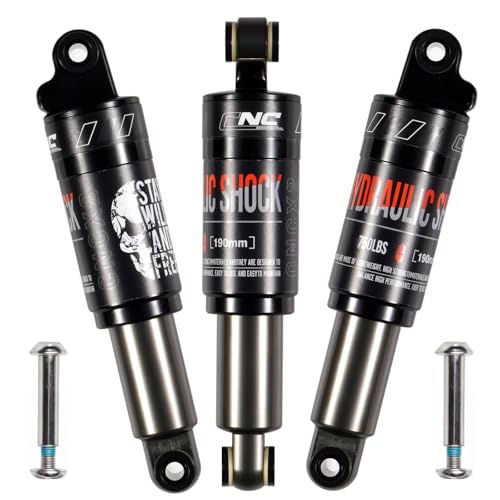
CNC Mountain Bike Rear Shock 120–200mm Hydraulic
CNC
Mid-Range
DNM Damping 3 System Mountain Bike Air Rear Shock
DNM
Mid-Range
CNC Mountain Bike Rear Shock 120–200mm Hydraulic
CNC
Mid-Range
DNM preload MTB rear suspension shock absorber 165x35mm
DNM
Mid-Range
DNM Preload MTB rear suspension shock absorber 160x35mm
DNM
Mid-Range
CNC Mountain Bike Rear Shock 120-200mm hydraulic
CNC
Mid-Range
DNM Damping 3 System Mountain Bike Rear Shock with Adjustable Rebound/Lockout/Air Pressure
DNM
Mid-Range
MEROCA DNM AO-6 MTB Rear Shock 125mm x 20mm, AL 6061 body
MEROCA
Mid-Range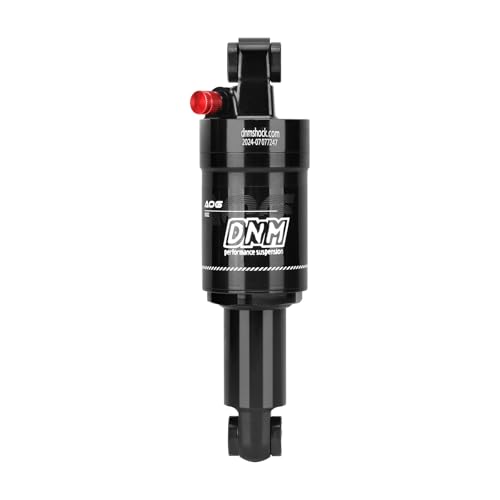
DNM AO-6 Mountain Bike Rear Shock for AL 6061 body
MEROCA
Mid-Range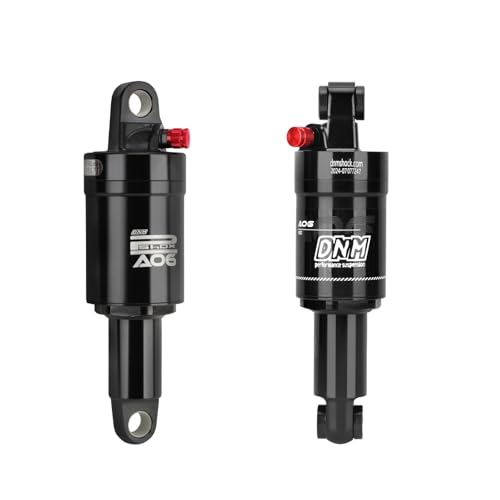
DNM AO-6 Mountain Bike Rear Shock 165mm x 41mm AL6061
MEROCA
Mid-RangeRoundups
Frequently Asked Questions
How do I choose the right rear shock for my bike?
Match the shock's stroke length and eye-to-eye measurement to your frame specifications, choose a spring or air model that supports your rider weight and riding style, and verify compatibility with mounting hardware and travel limits of your frame
What is the difference between air shocks and coil (spring) shocks?
Air shocks use pressurized air for adjustable spring rate and lighter weight, suitable for variable loads and tuning; coil shocks use metal springs for consistent small-bump compliance and durability, often favored for heavy use or aggressive trail riding
What features matter most for performance and adjustability?
Key features include rebound and compression damping adjusters, preload or air-pressure tuning, lockout capability, and piggyback/remote reservoirs for heat management and consistent damping under long descents
How much should I expect to spend and are there budget options?
Rear shocks span a wide range; many budget-compatible options exist under $100 while mid-range and high-end shocks cost more; average prices in some market sets are around the mid tens to low hundreds, so choose based on needed features and durability
How do I maintain a rear shock to keep it working well?
Perform regular cleaning, avoid high-pressure washing at seals, check and top up air pressure or preload settings as needed, inspect for oil leaks, and follow manufacturer intervals for seal replacement or professional servicing
Will I need new mounting hardware or adapters when replacing a rear shock?
Possibly — different shocks can have different bushing diameters and eyelet sizes; measure your frame's mounting hardware and the shock's eyelet specifications, and buy appropriate hardware or reducers if sizes differ
Can I tune a rear shock myself, or should I get professional setup?
Basic tuning like setting sag, air pressure, and rebound/compression clicks can be done at home with the right tools and instructions; for damper rebuilds, seal replacement, or advanced valving changes, professional service is recommended