Bike Resistance Trainers
Bike resistance trainers for indoor cycling include wheel-on and direct-drive units, smart trainers, and fluid or magnetic resistance models for training and workouts. The category averages about 15 indexed products with an average rating of 4.25 and price range roughly $70–$600, featuring brands like Wahoo Fitness and Saris
Top Products

Sportneer Bike Trainer for 26-28" & 700c wheels
Sportneer
Mid-Range
Sportneer Magnetic Bike Trainer for 26-28" & 700C wheels
Sportneer
Mid-Range
Sportneer Bike Trainer with 6 resistance levels
Sportneer
Mid-Range
Sportneer bike trainer with 6 resistance levels
Sportneer
Mid-Range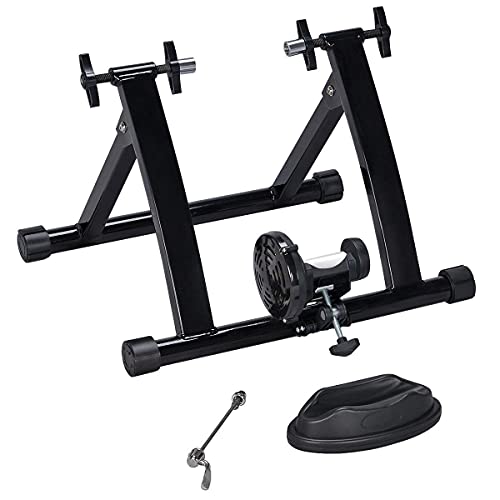
Yaheetech Bike Trainer Stand for 26-28in wheels
Yaheetech
Mid-Range
Bike trainer with magnetic resistance and front wheel riser
CXWXC
Mid-Range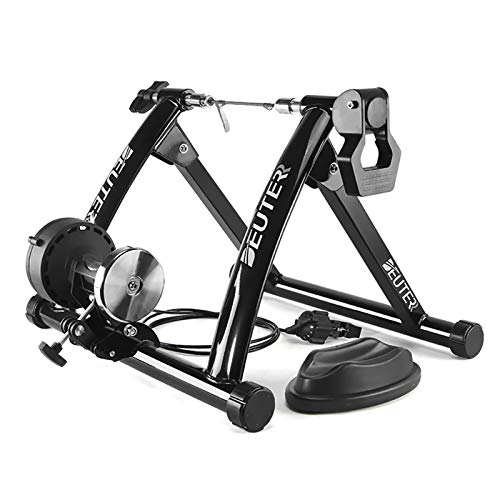
Bike trainer with magnetic resistance and front wheel riser
CXWXC
Mid-Range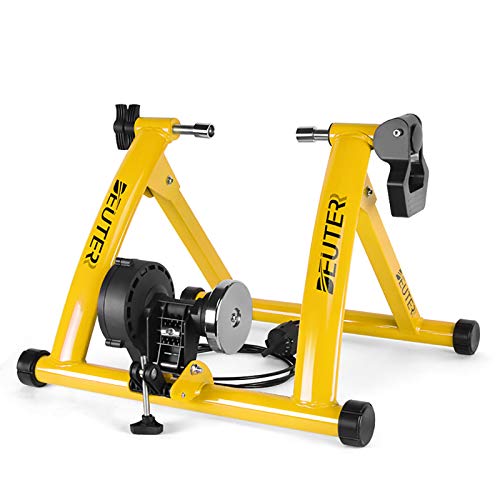
Bike Trainer Magnetic Bicycle Stand for 26-29" wheels
CXWXC
Mid-Range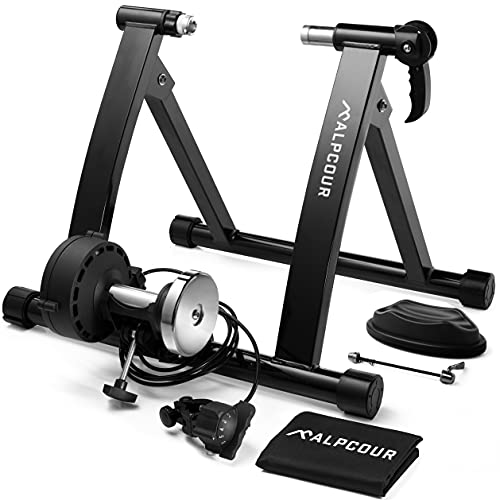
Alpcour bike trainer stand for indoor riding
Alpcour
Premium
Saris Mag & Mag Plus Indoor Bike Trainer
Saris
Mid-Range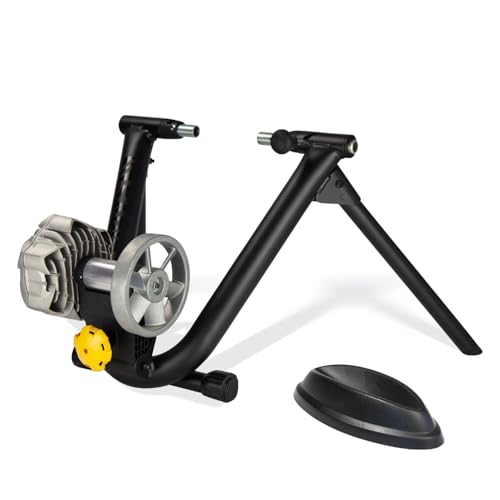
Saris Fluid2 Indoor Bike Trainer with Smart Equipped Option
Saris
Mid-Range
Saris Fluid2 Indoor Bike Trainer with Smart Option
Saris
Premium
Saris M2 Smart Indoor Bike Trainer
Saris
Premium
Saris Mag and Mag Plus Indoor Bike Trainer
Saris
Premium
Wahoo Fitness KICKR CORE 1 Zwift Click and Cog - Orange Cog Second Gen
Wahoo Fitness
PremiumRoundups
- Best Bike Resistance Trainers for Interval Training (2026)
- Best Bike Resistance Trainers for Compact Home Gym Setup (2026)
- Best Bike Resistance Trainers for Indoor Cycling Workouts (2026)
- Best Bike Resistance Trainers Under $200 (2026)
- Best Bike Resistance Trainers Under $100 (2026)
- Best Bike Resistance Trainers (2026 Guide)
Frequently Asked Questions
How do I choose between direct-drive and wheel-on bike resistance trainers?
Direct-drive trainers replace your rear wheel and generally offer quieter operation, more accurate power measurement, and lower tire wear; wheel-on trainers clamp the rear wheel, are typically cheaper and easier to set up but can be louder and less precise
What resistance types should I consider (magnetic, fluid, smart) and how do they differ?
Magnetic trainers use adjustable magnets for resistance and are durable and affordable; fluid trainers use liquid for progressive, realistic resistance and moderate noise; smart trainers simulate terrain and control resistance via ANT+/Bluetooth for structured workouts and metrics
What connectivity and measurement features are important for indoor training?
Look for ANT+ and Bluetooth compatibility to pair with apps and head units, built-in power or controllable resistance for structured workouts, and cadence or speed sensors if the trainer doesn’t provide those metrics
How should I match a trainer to my bike and wheel size?
Check compatibility for axle standards (quick release, thru-axle) and supported wheel diameters; direct-drive trainers require removing the rear wheel and fitting a compatible cassette, while wheel-on trainers need the trainer to accommodate your tire size and have adequate clamp range
What noise level and space considerations should I expect when using a trainer indoors?
Noise varies by model and type: direct-drive and fluid trainers are typically quieter than wheel-on and magnetic units; also allow space for airflow and cooling, use a mat to reduce vibration transfer, and consider ventilation if you exercise intensely
How durable are trainers and what maintenance do they need?
Maintenance is minimal: keep moving parts clean and dry, check bolts and skewer/axle fittings periodically, replace worn trainer-specific tires for wheel-on units, and update firmware on smart trainers to ensure reliability
What price ranges should I expect and what do they buy you?
Budget wheel-on and basic magnetic trainers are often the most affordable, mid-range fluid or basic smart trainers provide better resistance realism and some connectivity, while higher-priced smart direct-drive trainers offer the most accurate power, lowest noise, and advanced connectivity; average prices in a typical selection are around the mid-hundreds