Bike Stems
This category covers bicycle stems for road, gravel, and mountain bikes, including alloy and carbon options for fit, rise, and reach adjustments. There are 23 products indexed with an average rating of 4.63 and price tiers from about $33 to $200, featuring brands like Funn among others
Top Products

CXWXC Adjustable MTB Stem 31.8mm - 145mm
CXWXC
Budget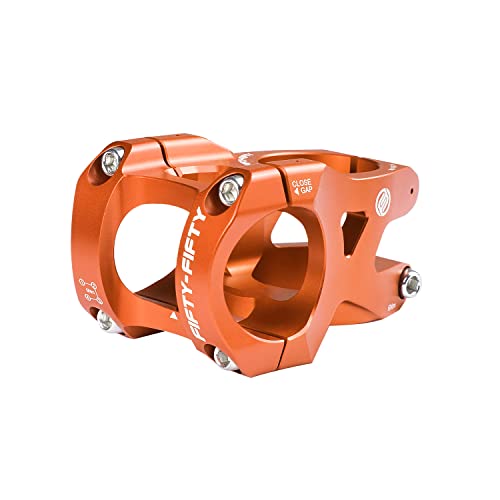
Aluminum MTB Stem 1-1/8" 31.8mm, 35mm length
FIFTY-FIFTY
Mid-Range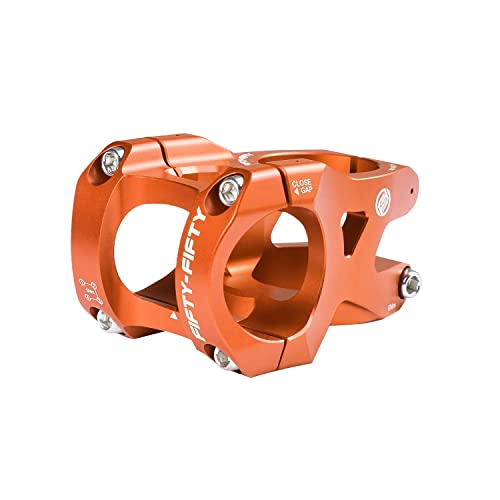
FIFTY-FIFTY MTB stem 1-1/8 handlebar 31.8mm 35mm
FIFTY-FIFTY
Mid-Range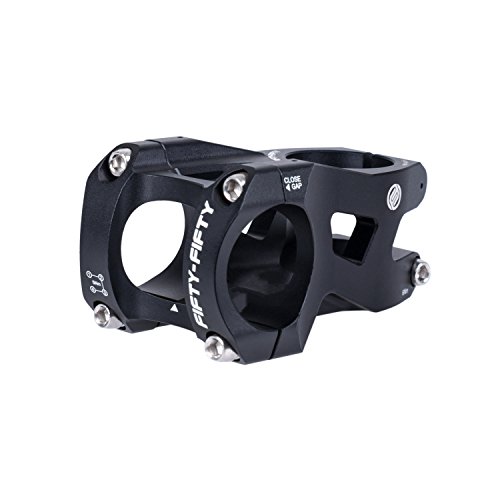
FIFTY-FIFTY 1-1/8" aluminum MTB stem 50mm 31.8mm handlebar
FIFTY-FIFTY
Mid-Range
Aluminum MTB stem for 1-1/8 steer tube, 31.8mm handlebar
FIFTY-FIFTY
Mid-Range
Aluminum MTB stem for 1-1/8" steerer, 31.8mm handlebar, 50mm
FIFTY-FIFTY
Mid-Range
Aluminum MTB Stem 1-1/8" combo 31.8mm handlebar, 35mm length
FIFTY-FIFTY
Mid-Range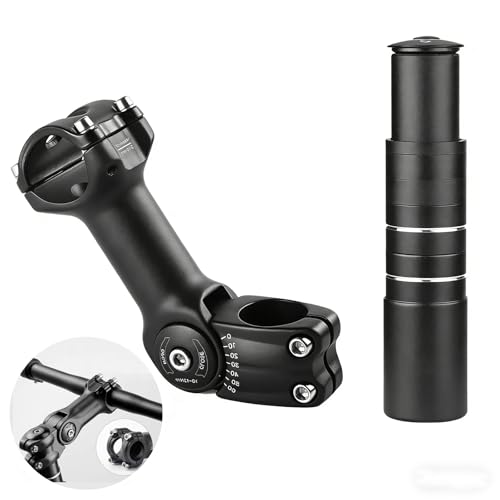
Bike stem riser, adjustable MTB stem 28.6mm
groword
Budget
RSX Mountain Bike Direct Mount Stem 31.8mm
Funn
Mid-Range
RSX Direct Mount Bike Stem for 31.8mm Bar
Funn
Mid-Range
RSX Mountain Bike Direct Mount Stem 31.8mm (2-piece, 45-50mm)
Funn
Mid-Range
Funn RSX Direct Mount Stem 31.8mm
Funn
Mid-Range
RSX Direct Mount Bike Stem 31.8mm | 2-Piece Split Design
Funn
Mid-Range
RSX Direct Mount Bike Stem for 35mm Bars (2-piece, 45-50mm)
Funn
Mid-Range
RSX Direct Mount Stem 35mm for dual crown forks
Funn
Mid-Range
RSX Direct Mount Stem 35mm for dual crown forks
Funn
Mid-Range
RSX Mountain Bike Direct Mount Stem (35mm) 2-piece split design
Funn
Mid-Range
REDSHIFT ShockStop Suspension Stem for bikes
REDSHIFT
Premium
REDSHIFT ShockStop Suspension Stem for bikes
REDSHIFT
Premium
REDSHIFT ShockStop Suspension Stem for bikes
REDSHIFT
Premium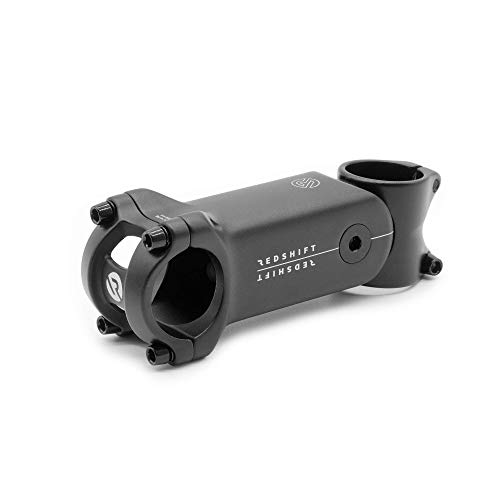
REDSHIFT ShockStop Suspension Stem for Bikes
REDSHIFT
Premium
REDSHIFT ShockStop Suspension Stem for bikes
REDSHIFT
Premium
REDSHIFT ShockStop Suspension Stem for bikes
REDSHIFT
PremiumRoundups
Frequently Asked Questions
How do I choose the right stem length and rise for my bike?
Select length to set reach and handling—shorter stems (60–80 mm) give quicker steering and a more upright position, longer stems (90–120+ mm) increase reach and stability; rise (positive/negative angle) adjusts handlebar height for comfort or aero position. Measure current reach and consider your riding style (commuting/fitness vs. aggressive road/triathlon) before changing more than one dimension at a time
What materials and construction should I look for in a fitness bike stem?
Common materials are aluminum (light, stiff, cost-effective) and carbon (lighter, vibration-damping, higher cost); steel is rare for stems. Look for machined or forged construction, appropriate clamping surface and torque specifications from the manufacturer to balance weight, strength, and price
How do I determine the correct steerer tube diameter and handlebar clamp size?
Most modern bikes use a 1-1/8" (28.6 mm) steerer; some use threadless 1" or tapered 1.5" upper/lower. Handlebars commonly clamp at 31.8 mm or 25.4 mm. Check your fork steerer and handlebar specs before purchasing or use a shim if compatible and safe
Are there compatibility or installation concerns I should know about?
Ensure the stem matches your steerer diameter and handlebar clamp size, observe the manufacturer torque values for faceplate and steerer bolts, and confirm minimum insertion depth and any required headset spacers. If unsure, have a bike shop install or inspect it to prevent improper clamping or damage
What weight and durability trade-offs should I expect at different price points?
Budget stems under about (price varies) are typically heavier aluminum with simpler finishes; mid-range options balance lighter forged aluminum and refined machining; higher-priced stems use lighter alloys or carbon and greater machining to save grams. Durability generally correlates with build quality and correct installation more than price alone
How do I maintain a bike stem to prevent creaks and ensure safety?
Regularly inspect for cracks, corrosion, and proper bolt torque; remove the stem periodically to check for headset bearing wear and clean contact surfaces, apply recommended grease or assembly paste where specified, and retorque bolts to the manufacturer's specifications after initial rides
Can I use an adjustable stem to fine-tune fit and when is it appropriate?
Adjustable-angle stems allow you to change handlebar height and reach without spacers and are useful for finding a comfortable position on fitness or commuter bikes; they add weight and potential flex, so they're less common on performance-focused road setups