Foam Rollers
Foam rollers for self-massage, myofascial release, and mobility work, available in densities and lengths for home or gym use. The category indexes 164 products with an average rating of 4.41 and price range roughly $32–$169, featuring brands like TRIGGERPOINT and Oceanfoam
Top Products

TriggerPoint Grid 1.0 Foam Roller - 13" Multi-Density
TRIGGERPOINT
Budget
TriggerPoint Grid 1.0 Foam Roller - 13" Multi-Density
TRIGGERPOINT
Mid-Range
TriggerPoint Grid 1.0 Foam Roller (13")
TRIGGERPOINT
Mid-Range
TriggerPoint Grid 1.0 Foam Roller 13" Multi-Density
TRIGGERPOINT
Mid-Range
TriggerPoint Grid 1.0 Foam Roller - 13" Multi-Density
TRIGGERPOINT
Mid-Range
Grid 1.0 Foam Roller - multi-density massage roller
TRIGGERPOINT
Mid-Range
OPTP PRO-Roller Soft Density Foam Roller
OPTP
Mid-Range
TRIGGERPOINT Grid Foam Roller
TRIGGERPOINT
Mid-Range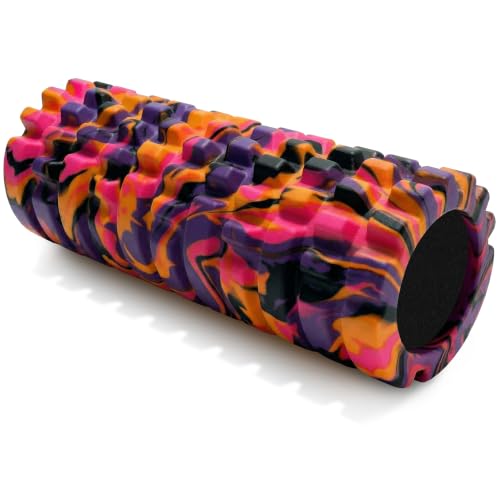
Foam Roller - Medium Density Deep Tissue Massager, 321 STRONG
321 STRONG
Mid-Range
Foam roller - medium density deep tissue massager
321 STRONG
Mid-Range
CanDo Black HD foam roller 6" x 36" for muscle recovery
CanDo
Budget
OPTP PRO-Roller Soft Density Foam Roller
OPTP
Mid-Range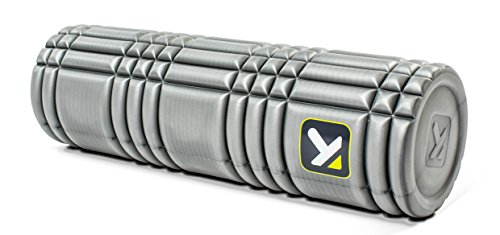
TriggerPoint CORE Foam Massage Roller (12", 18", 36")
TRIGGERPOINT
Budget
PRO-Roller Soft Density Foam Roller (36" x 6")
OPTP
Mid-Range
5 in 1 foam roller set with hollow core massager, stretching strap, plantar fascia ball
321 STRONG
Budget
321 STRONG 5-in-1 Foam Roller Set with Hollow Core Massager and Accessories
321 STRONG
Budget
Yes4All EVA Firm Foam Roller - Round Back Roller
Yes4All
Budget
OPTP PRO-Roller Soft Density Foam Roller 18" x 6" blue
OPTP
Mid-Range
Foam Roller with High Density 36x6 for Physical Therapy
Rolling With It
Mid-Range
Yes4All Medium Firm Foam Roller (12-36 in) for Pilates, Yoga & Stretching
Yes4All
Budget
Gaiam Restore Foam Roller for Muscle Massage
Gaiam
Budget
FitBeast Back Roller - Deep Tissue Back Massage Foam Roller
FitBeast
Mid-Range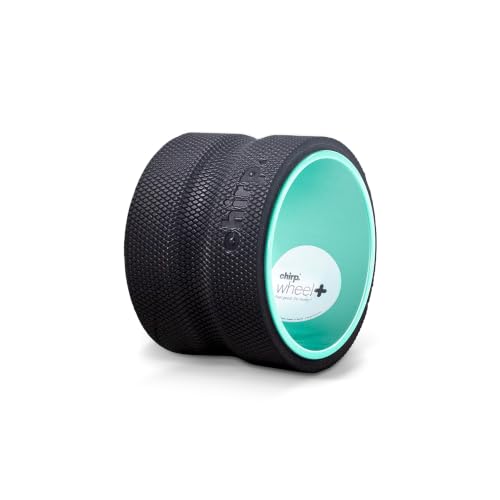
Chirp Wheel Foam Roller for Back & Neck Relief
Chirp
Mid-Range
Back roller foam roller for deep tissue massage
FitBeast
Mid-RangeRoundups
- Best Foam Rollers for Self-Myofascial Release (2026)
- Best Foam Rollers for Back Pain Relief (2026)
- Best Foam Rollers for Post-Workout Recovery (2026)
- Best Foam Rollers for Deep Tissue Massage (2026)
- Best Foam Rollers Under $200 (2026)
- Best Foam Rollers Under $100 (2026)
- Best Foam Rollers Under $50 (2026)
- Best Foam Rollers (2026 Guide)
Frequently Asked Questions
How do I choose the right foam roller density for my needs?
Choose soft/low-density rollers for gentle muscle relaxation and beginners, medium-density for general use and frequent self-massage, and firm/high-density rollers for deeper myofascial release and experienced users; if you have sensitive tissue or acute pain, start with a softer option
What size and shape of foam roller should I buy?
Short rollers (around 12") are portable and good for targeted work; standard 24–36" rollers provide stability for core exercises and full-back work; textured or contoured rollers are designed to simulate finger pressure for targeted release, while smooth cylinders suit broader, gentler pressure
Are there material differences I should consider (EVA, EPP, PVC, hollow)?
EVA and EPP foams tend to be lightweight and offer softer to medium firmness; high-density PVC and molded polymers provide firmer, longer-lasting pressure; hollow or EVA-coated rollers can be lighter and sometimes cheaper but may compress over time—check for durability if you need firm, long-term performance
How much should I expect to pay for a quality foam roller?
Prices vary widely; budget options are often available under $25, mid-range quality rollers commonly fall between $25 and $75, and specialized or high-density medical-grade rollers can cost more, with an average price in many assortments around $50–$60
Can foam rollers help with injury recovery and when should I avoid them?
Foam rolling can aid muscle recovery by increasing blood flow and reducing soreness for many soft-tissue issues, but avoid rolling directly on acute injuries, inflamed areas, fractures, or varicose veins; consult a healthcare professional if you have a chronic condition, recent surgery, or uncertain symptoms
How do I clean and maintain a foam roller?
Wipe foam rollers with a mild soap and water solution or disinfectant wipe and air-dry; avoid soaking or using harsh solvents that can damage foam, and store away from direct sunlight and heat to prevent deforming or breakdown
What features matter for frequency of use or travel?
If you plan frequent daily use, prioritize high-density durable materials and solid construction; for travel choose compact or short rollers, lightweight hollow designs, or collapsible models; texture is a personal preference—smoother rollers are easier to use in varied settings