Heart Rate Monitors
Heart rate monitors for Fitness & Active Life include chest straps, optical wrist sensors, and ECG-capable devices for tracking workout intensity, recovery, and health metrics. This category includes 25 indexed products averaging a 4.19 rating and price range from $37 to $169, with brands like POLAR and COROS represented
Top Products

KardiaMobile 1-Lead Personal EKG Monitor
AliveCor
Mid-Range
KardiaMobile 1-Lead Personal EKG Monitor
AliveCor
Mid-Range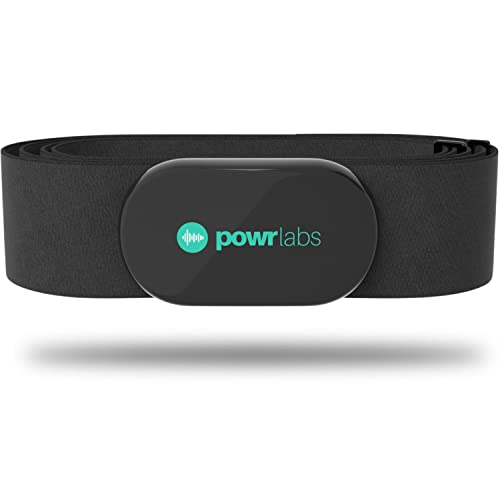
Powr Labs Heart Rate Monitor Chest Strap with dual ANT+ Bluetooth
POWR LABS
Mid-Range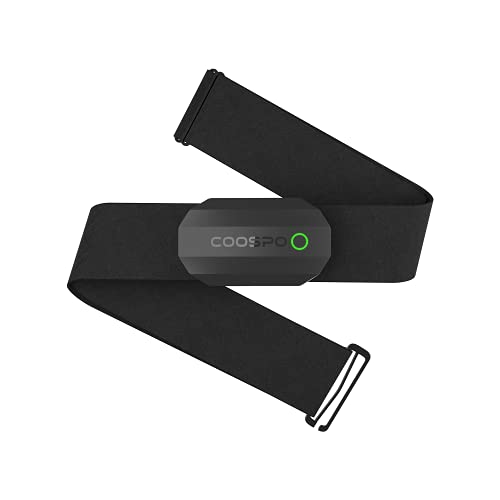
COOSPO H808S Bluetooth Heart Rate Monitor Chest Strap
CooSpo
Budget
COOSPO Armband Heart Rate Monitor with Bluetooth/ANT+
CooSpo
Mid-Range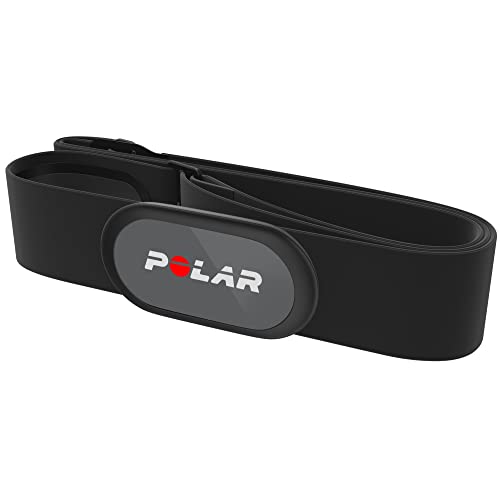
Polar H9 Heart Rate Sensor
POLAR
Mid-Range
COROS Heart Rate Monitor armband
COROS
Mid-Range
KardiaMobile 6L personal EKG monitor with six-lead readings
AliveCor
Mid-Range
COROS Heart Rate Monitor armband
COROS
Mid-Range
COROS Heart Rate Monitor armband
COROS
Mid-Range
COROS Heart Rate Monitor armband
COROS
Mid-Range
FITCENT Heart Rate Monitor Armband
Fitcent
Mid-Range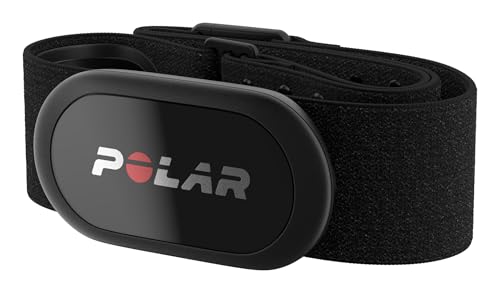
Polar H10 Heart Rate Monitor Chest Strap (ANT+/Bluetooth) – Waterproof
POLAR
Mid-Range
Polar H10 Heart Rate Monitor Chest Strap (ANT+ & Bluetooth)
POLAR
Mid-Range
POLAR OH1 waterproof optical heart rate monitor with armband
POLAR
Mid-Range
Wahoo TICKR FIT Heart Rate Armband
Wahoo Fitness
Mid-Range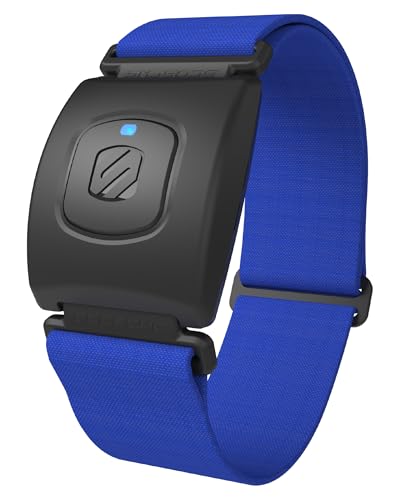
Scosche Rhythm R+2.0 armband HR monitor
Scosche
Mid-Range
Polar Verity Sense: optical heart rate monitor armband
POLAR
Mid-Range
Polar Verity Sense: Optical HRM Armband, ANT+/Bluetooth
POLAR
Mid-Range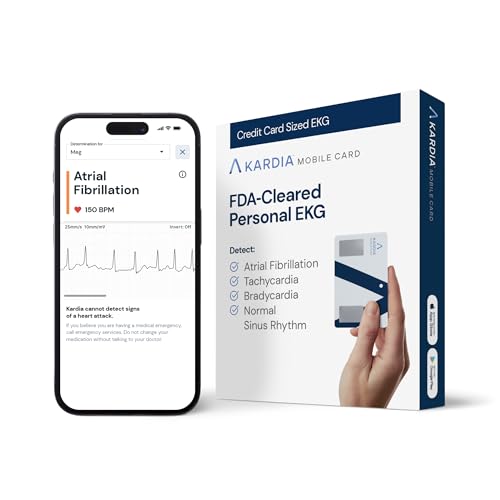
KardiaMobile Card Wallet-Sized Personal EKG
AliveCor
Mid-Range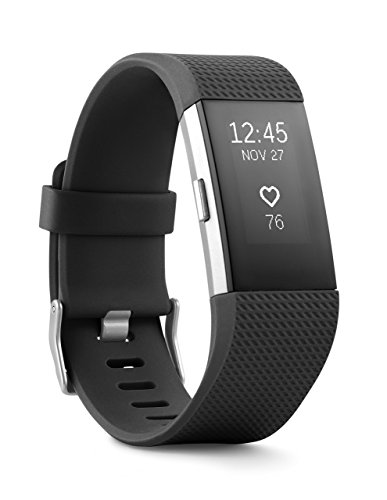
Fitbit Charge 2 Heart Rate + Fitness Wristband
Fitbit
Mid-Range
KardiaMobile 6L Max with 12-Month Membership
AliveCor
Premium
Wahoo TRACKR Heart Rate Monitor
Wahoo Fitness
Mid-Range
MYZONE MZ-Switch heart rate monitor for wrists, arms & chest
MYZONE
PremiumRoundups
- Best Heart Rate Monitors for Peloton Workouts (2026)
- Best Heart Rate Monitors for Cycling (2026)
- Best Heart Rate Monitors for Running (2026)
- Best Heart Rate Monitors Under $200 (2026)
- Best Heart Rate Monitors Under $100 (2026)
- Best Heart Rate Monitors Under $50 (2026)
- Best Heart Rate Monitors (2026 Guide)
Frequently Asked Questions
How do I choose between a chest strap and an optical wrist heart rate monitor?
Chest straps use electrical signals (ECG) and are generally more accurate for high-intensity or interval training; optical wrist monitors use LED sensors (PPG), are more convenient for all-day wear, and work well for steady-state cardio but can be less accurate during sudden, intense efforts
What connectivity options should I look for to use a heart rate monitor with apps or fitness equipment?
Look for Bluetooth and/or ANT+ support — Bluetooth is common for smartphones and most apps, while ANT+ is useful for connecting to bike computers, treadmills, and some gym equipment; dual-protocol devices offer the most compatibility
How much should I expect to pay for a reliable heart rate monitor?
Prices vary widely; basic optical wrist monitors and budget chest straps can be found under $50, reliable midrange units typically cost $50–$150, and advanced multisport devices or clinical-grade monitors can exceed that range, with averages in this category around $90
Which accuracy factors and metrics matter when comparing models?
Key factors are sensor type (ECG vs PPG), sampling rate or transmission latency, how the device reports smoothed vs real-time data, and whether it provides metrics like HRV, zones, or cadence; independent lab tests or user-consensus on accuracy are helpful indicators
How long do heart rate monitor batteries last and what are typical charging or replacement needs?
Battery life depends on type: optical wrist units commonly need recharging every 7–20 hours of active use, rechargeable chest straps typically last 100+ hours per charge, and replaceable-coin-cell chest straps can last several months to a year depending on usage
Are heart rate monitors waterproof and suitable for swimming?
Many models offer water resistance and some are rated for swimming, but capabilities differ — check the IP or ATM rating and manufacturer notes; note that optical sensors may be less reliable underwater, while dedicated waterproof chest straps and swim-specific sensors provide better performance
What maintenance and care should I do to prolong a heart rate monitor's lifespan?
Rinse and air-dry straps after sweaty or saltwater use, replace worn elastic or contact pads, avoid prolonged exposure to extremes of heat or moisture, keep firmware updated, and follow manufacturer guidance for charging and battery replacement to maintain accuracy and longevity