Jump Ropes
Jump ropes for cardio, HIIT, speed, and weighted training, including beaded, speed, and adjustable designs suited to home and gym use. 34 products indexed, average rating 4.55, with mid-range prices (about $32–$129) and brands like X XBEN represented
Top Products

Sonic Boom M2 High Speed Jump Rope
Epitomie Fitness
Budget
RENPHO cordless weighted jump rope with app data
RENPHO
Budget
Heavy jump rope for fitness with weighted options
Proud Panda
Budget
Heavy jump rope with weighted options for strength training
Proud Panda
Mid-Range
Jump Rope Kids Beaded Adjustable 106in - Tangle-Free
Supertrip
Budget
Flow Rope Exercise Jump Rope 500g – AXiOFiT
AXiOFiT
Budget
HPYGN Weighted Jump Rope for Adults (2.8-5 lb) for Home Workouts
HPYGN
Budget
Flow rope for fitness double weave, adjustable jump rope
veimia
Budget
veimia Flow Rope: double woven jump rope for training
veimia
Budget
Flow Rope for Fitness: Double Woven Jump Rope
veimia
Budget
Weighted jump rope for fitness and strength
RENRANRING
Budget
HPYGN weighted jump rope for home workouts
HPYGN
Mid-Range
GRAWUN Jump Rope for Kids – Soft Beaded, Adjustable, Tangle-Free
GRAWUN
Budget
Field Day Tug of War Rope for Kids and Adults 55FT
X XBEN
Mid-Range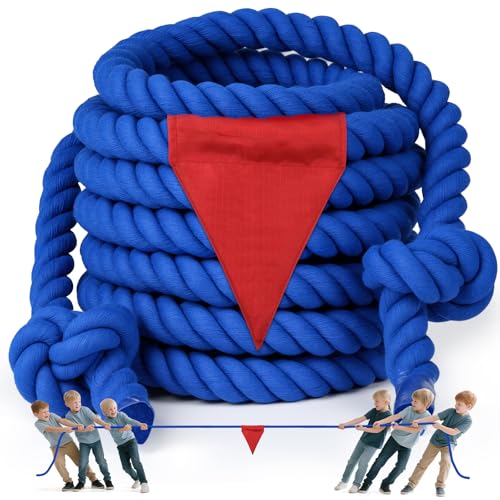
X XBEN Field Day Tug of War Rope for Kids and Adults 65FT
X XBEN
Mid-Range
Tug of War Rope for kids and adults, 75ft, field day
X XBEN
Mid-Range
Weighted jump rope for fitness and boxing training
KUZARO
Mid-Range
Aodaer PVC Jump Rope for Kids, Multicolor with Plastic Handles
Aodaer
Budget
Weighted jump rope for fitness, heavy skipping rope
HOXWC
Budget
Weighted jump rope with metal handles and 2 rope options
BURNCALO
Budget
Weighted jump rope for fitness and cardio training
KUZARO
Mid-Range
WillGoo 3-in-1 weighted jump rope with interchangeable lbs
WILLGOO
Mid-Range
Weighted jump rope with adjustable weights and 360° spin
MOGOLD
Mid-Range
Weighted jump rope with adjustable weights and 360° spin
MOGOLD
Mid-RangeRoundups
Frequently Asked Questions
How do I choose the right type of jump rope for my workout?
Choose by workout type: speed ropes (thin, lightweight cables) for cardio and double-unders, weighted ropes (thicker or with removable weights) for strength and calorie burn, and beaded or PVC ropes for durability and outdoor use; also consider handle grip and ball bearing rotation for smoothness
What length should my jump rope be and how do I adjust it?
Stand on the rope center and pull handles up—good length reaches roughly armpit height; many ropes are adjustable by removing excess cable from the handle or cutting excess PVC, and some use set screws or clamps for tool-free adjustment
How much should I expect to spend on a quality jump rope?
Prices vary by type and features: basic PVC or beaded ropes are often under $25, mid-range speed or adjustable ropes commonly fall between $25 and $75, and premium speed or weighted models can cost more; the category average price is around the mid-(price varies)s
What materials and handle features should I look for?
Look for cable materials like coated steel for speed and durability or PVC for cheaper options; handles with ball bearings provide smoother rotation, foam or rubber grips reduce slippage, and ergonomic or longer handles help users who perform complex tricks
Are jump ropes suitable for beginners or high-impact athletes?
Yes—beginners often prefer thicker PVC or beaded ropes that turn slower and offer more feedback, while experienced athletes may choose lighter speed ropes for high-repetition and plyometric training; adjust intensity gradually to avoid shin and ankle strain
How do I care for and maintain a jump rope to extend its life?
Keep cables dry and free of kinks, store coiled loosely (not tightly wrapped), clean handles with mild soap, avoid dragging ropes on rough concrete to prevent abrasion, and replace worn cables or bearings when rotation or performance degrades
Can jump ropes be used on any surface, and what surfaces are best?
Best surfaces are wood, rubber gym flooring, or smooth concrete for balance between cushioning and durability; avoid rough asphalt or abrasive concrete that wears cables quickly, and use a mat for outdoor use to protect both rope and joints