Agricultural Fencing
Durable agricultural fencing for gardens and patios, including wire rolls, poultry netting, bamboo panels, and temporary electric or picket fencing for plant and animal protection. Prices range from about $32 to $701 (average ~(price varies)), with brands like FOREHOGAR represented. Average consumer rating across 397 products is 4.49
Top Products

Tenax Poultry Fence 4' x 25' Green
Tenax
Budget
Green vinyl-coated welded wire fence 24" x 25' 16ga 2x3 mesh
FOREHOGAR
Budget
Black vinyl coated welded wire fence 24in x 25ft 2x3 mesh
FOREHOGAR
Budget
Green PVC coated welded wire fence, 36in x 25ft, 2x3 grid
FOREHOGAR
Budget
Black PVC coated welded wire fence 36in x 25ft, 2x3 mesh
FOREHOGAR
Budget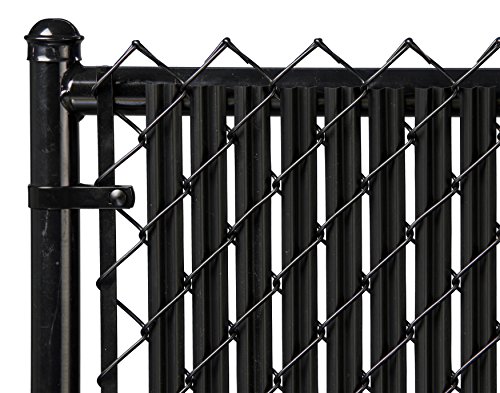
Ridged Slats privacy slats for 5ft chain link fence
Ridged Slats
Budget
Black vinyl-coated welded wire fence, 24 in x 50 ft
FOREHOGAR
Mid-Range
Green PVC coated welded wire fence 48" x 25' 2x3 mesh
FOREHOGAR
Mid-Range
Black PVC Coated Welded Wire Fence 48" x 25' 2x3 16GA
FOREHOGAR
Mid-Range
Gripple Wire Joiner for Fencing, Medium (13.5-10 Gauge) (20)
GRIPPLE
Budget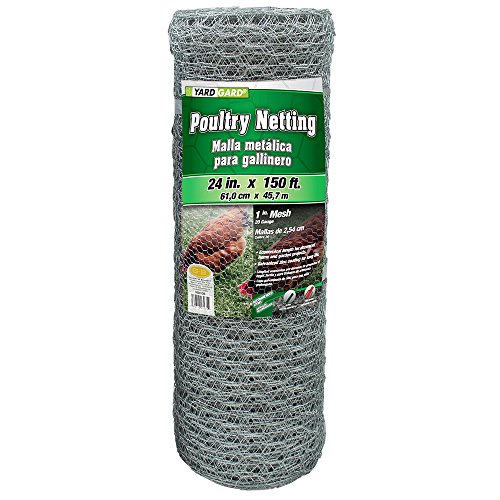
YardGard 1 in. x 150 ft Chicken Wire Galvanized Fence
YARDGARD
Mid-Range
Black PVC coated welded wire fence 24" x 50' 14GA 2x4 mesh
FOREHOGAR
Mid-Range
Chicken wire hex mesh fence 16.9in x 590.5in with 100 zip ties
Miuwauer
Budget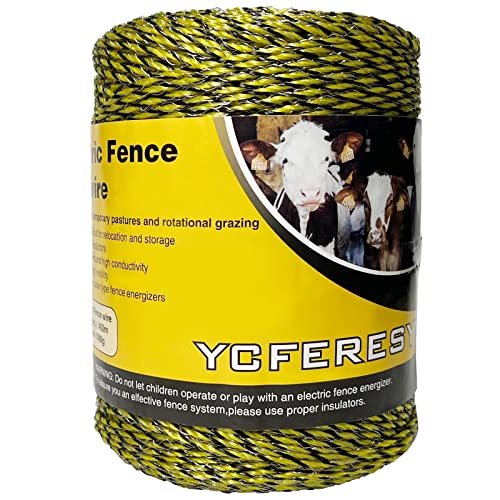
Electric Fence Polywire 1312 ft, 6 stainless steel strands
YCFERESY
Budget
Tenax Poultry Fence 4' x 50' Hex Mesh
Tenax Corporation
Mid-Range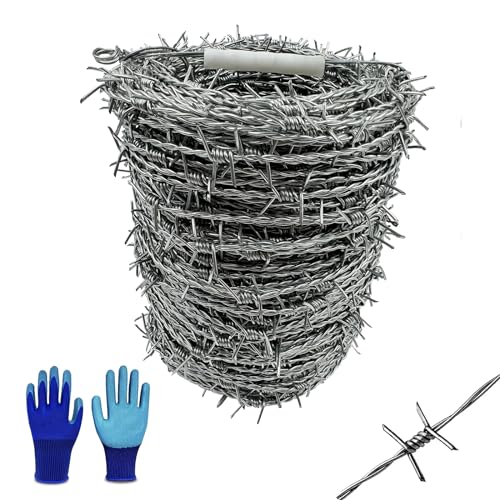
Barbed Wire Fence Roll, 328 ft, 4-Point, 18 GA
YAGJIA
Budget
Green PVC coated welded wire fence 36in x 50ft, 2x3 mesh
FOREHOGAR
Mid-Range
Black PVC coated welded wire garden fence 36" x 50' 2x3 mesh
FOREHOGAR
Mid-Range
Garden animal barrier with 1.65in spike spacing (20.6ft) no-dig fence
KYATE
Budget
Metal Fence Post U-Post Green, 5 ft, Pack of 10 for 48 in Welded Wire Fence
MTB
Mid-Range
YardGard PVC Coated Welded Wire Fence 2 x 3 in Mesh 24 in x 50 ft
YARDGARD
Mid-Range
Chain Link Fence Privacy Tape (Arctic White) by Fenpro
Fenpro
Budget
PotatoLife Plastic Mesh Fence Netting 4'x100' with 100 Ties
PotatoLife
Budget
Wire Fence, 24 in x 25 ft, 16GA 2x2 pvc-coated welded mesh
GILPWA
Mid-RangeRoundups
- Best Agricultural Fencing for Garden Enclosure (2026)
- Best Agricultural Fencing for Poultry Netting (2026)
- Best Agricultural Fencing for Pet Containment (2026)
- Best Agricultural Fencing for Garden Border Fencing (2026)
- Best Agricultural Fencing Under $200 (2026)
- Best Agricultural Fencing Under $100 (2026)
- Best Agricultural Fencing Under $50 (2026)
- Best Agricultural Fencing (2026 Guide)
Frequently Asked Questions
How do I choose the right type of agricultural fencing for my garden or patio?
Choose by purpose (pet containment, deer exclusion, crop protection), material (woven wire, welded mesh, bamboo, vinyl-coated steel) for desired durability and appearance, mesh size to keep out target animals, and height/stakes to match plant or animal sizes
What fence heights and mesh sizes are recommended for keeping common pests out of vegetable gardens?
For rabbits and small rodents use 1/4–1/2 inch mesh and low fencing (18–24 inches); for deer use 7–8 foot tall fences or double-layer lower mesh with an outward overhang; for dogs and larger animals use 3–4 foot fencing with 1–2 inch mesh
How much should I expect to pay and what affects the price?
Prices vary by material, length, and gauge; you can find budget options under $50 for short decorative or temporary rolls, while heavier steel or treated fencing for larger areas typically ranges higher; average product prices in this category are around $80
What are the durability and maintenance differences between common fencing materials?
Galvanized steel and vinyl-coated wire resist rust and require little maintenance, bamboo and wood need periodic sealing or replacement and are more vulnerable to rot, and plastic mesh is lightweight but less UV- and weather-resistant over time
Can I install agricultural fencing myself and what basic tools are needed?
Many garden fencing projects are DIY; basic tools include post hole digger or auger, posts or stakes, wire cutters, fencing pliers, a level, tensioning tools, and fasteners or staples; soil type and fence length affect difficulty
How do I secure and tension wire rolls to prevent sagging over time?
Use sturdy end and corner posts set deep or anchored with concrete, add intermediate posts every 6–12 feet depending on fence type, use tensioning tools or turnbuckles when attaching the wire, and secure the bottom to ground or use ground stakes to prevent pushing
Are there environmental or local regulation considerations when installing farm or garden fencing?
Check local ordinances for height and setback restrictions, homeowners association rules, and wildlife protection regulations; avoid blocking wildlife corridors and consider using wildlife-friendly designs like visible markers or escape gaps for native animals