Beekeeping Supplies
Beekeeping Supplies in Garden & Patio covers hive bodies, frames, smokers, protective gear, feeders and maintenance tools for hobbyist and small-scale apiarists. Forty-eight products are indexed with an average rating of 4.52 and prices ranging about $33–$296, featuring brands like BeeCastle and Mann Lake
Top Products

Original feeding stimulant with essential oils
Honey B Healthy
Budget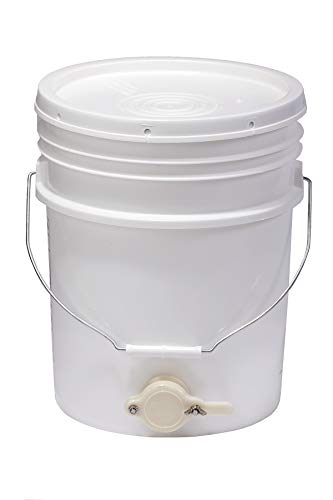
Little Giant 5 Gallon Honey Bucket with Gate
Little Giant
Budget
Brood Booster & Feeding Stimulant for Bees
Bountiful Bees
Budget
Mann Lake Apivar Mite Strips (12 pack) for beekeeping
Mann Lake
Budget
Vita BeeHealth Apiguard Varroa Mite Treatment (10 x 50g) thymol gel
VITA BEEHEALTH
Budget
Beehive Screened Bottom Board with Beeswax Coating (8-frame)
BeeCastle
Mid-Range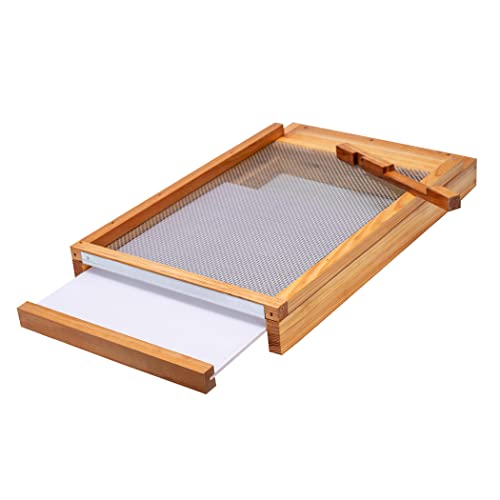
Beehive Screened Bottom Board with Beeswax Coating (10-Frame)
BeeCastle
Mid-Range
Medium Beehive Frames with Wax Foundations (10 pack) 6-1/4
MayBee
Budget
Deep brood bee frames with wax foundation, 10 pack
MayBee
Budget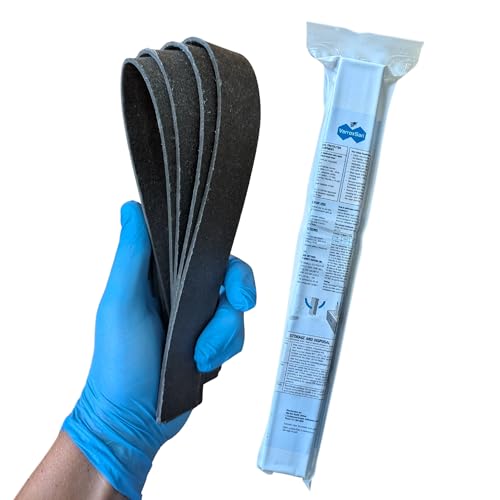
Varroxsan Oxalic Acid Strips for Varroa Mite Control
VITA BEEHEALTH
Budget
Hive Alive Fondant Bee Food Supplement
HIVE ALIVE
Mid-Range
Bee keeper suit with gloves and ventilated hood (3XL)
ACTREY
Budget
8-frame Langstroth beehive box with wax-coated frames
MayBee
Mid-Range
Mann Lake para-Moth wax moth treatment for stored bee equipment
Mann Lake
Budget
Honey Lake Langstroth Bee Hive Screened Bottom Board with Wax Dip
Honey Lake
Mid-Range
BeeCastle 10 Frame Beehive Candy Board
BeeCastle
Budget
Beehive Frame Feeder 3.3L (2-pack) for Deep Frames
BeeCastle
Mid-Range
Mann Lake pollen substitute for bees 10 lb
Mann Lake
Budget
BeeCastle Beekeeping Tools Kit with Organizer Handbag
BeeCastle
Budget
BeeCastle 8 Frame Beehive Candy Board
BeeCastle
Budget
Mann Lake Ultra Bee Pollen Substitute, High-Protein Dry Feed for Bee Colonies
Mann Lake
Mid-Range
Bee Castle Bee Hive Quilt Box for 10-Frame Langstroth
BeeCastle
Mid-Range
Honey Lake 10 Frame Medium Super Beehive Box (Langstroth) with Frames & Waxed Foundations
Honey Lake
Mid-Range
Mann Lake Bee-Pro Patties with Pro Health Digestive Aid
Mann Lake
Mid-RangeRoundups
Frequently Asked Questions
What basic beekeeping supplies do I need to start a backyard hive?
A beginner needs a hive body (Langstroth, top-bar, or Warré), frames with foundation, a brood box, an entrance reducer, a smoker, a hive tool, protective clothing (veil and gloves), and a nuc or package of bees; additional items include feeders, queen excluders, and a honey extractor as you scale up
How do I choose the right hive type for my garden?
Choose based on space, maintenance preference, and local practice: Langstroth hives are modular and widely supported, top-bar hives are lower-cost and more naturalistic, and Warré hives emphasize minimal intervention; check what local beekeepers use for easier sourcing of boxes and advice
What should I budget for starting beekeeping?
Starter setups typically range from budget options under $50 for single items to full beginner kits averaging around $80–$200, while additional costs for bees, tools, and seasonal supplies can raise first-year expenses to a few hundred dollars
Which protective gear and tools are most important for safety and ease?
A well-fitting veil or full suit, gloves, a hive tool, and a smoker are essential; invest in breathable protective clothing and a reliable hive tool to reduce stings and make inspections smoother
How do I maintain hive health and prevent common problems?
Regular inspections for queen presence, brood pattern, food stores, and pests are key; manage mites with integrated pest management, provide supplemental feeding during dearths, ensure good ventilation, and avoid overcrowding by adding boxes or performing splits when necessary
What features should I look for in beekeeping equipment quality?
Look for durable, weather-resistant materials (pine, cedar, or quality plastic), well-fitted joints and frames, food-safe finishes for internal components, and compatibility with standard frame sizes if you plan to mix brands
How do seasonality and location affect what supplies I need?
Colder climates require better insulation, thicker outer covers, and winter feed stores, while hot climates benefit from ventilation and shade; local nectar flows and flowering calendars determine feeder use and supering timelines