Cultivators & Tillers
Handheld and small motorized cultivators and tillers for breaking soil, weeding, and preparing garden beds; mid-range options priced around $33–$43 (avg $38). Brands indexed include Walensee among others; average rating 4.37 across 10 products
Top Products
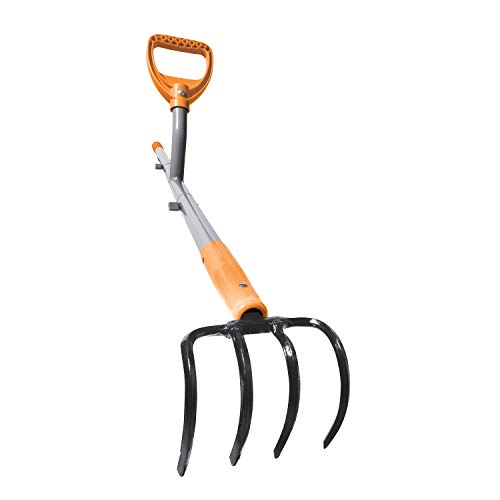
ErgieShovel 54" Ergonomic Garden Cultivator with 4 Tine Head
Ergie Systems
Budget
Jardineer Hand Tiller Garden Claw Set
Jardineer
Budget
Rotary Garden Tool with Adjustable Long Handle Tiller
BARAYSTUS
Budget
Cultivator for gardening with fiberglass handle, 4-tines, 58 inches
VNIMTI
Budget
Garden Weasel 2-in-1 Rotary Cultivator & Hand Tiller
GARDEN WEASEL
Budget
Rotary Cultivator Garden Tiller with Adjustable Stainless Steel Handle
BARAYSTUS
Budget
Rotary cultivator tiller with stainless steel handle and detachable tines
YEELOR
Budget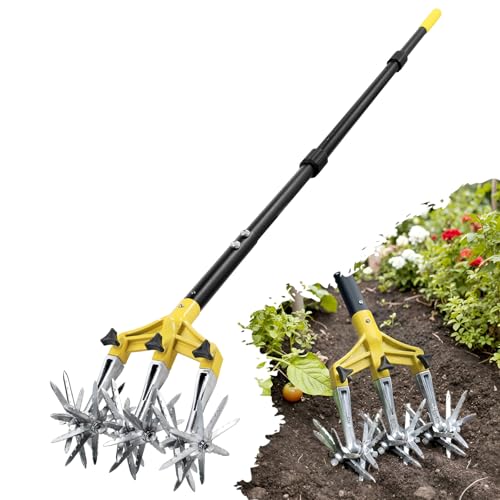
Colwelt Rotary Cultivator Garden Tool 61 with Detachable Tines
Colwelt
Budget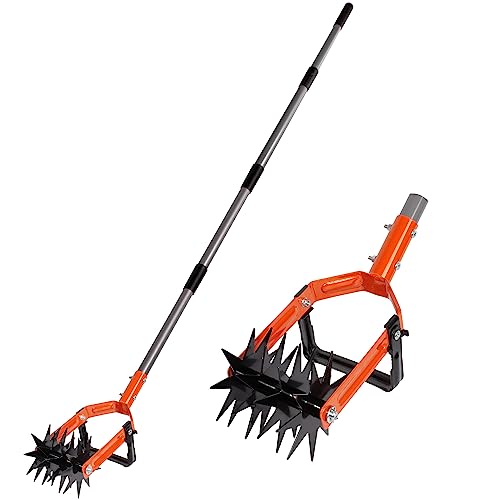
Walensee Rotary Cultivator Tool with 2-in-1 Weeder
Walensee
Budget
Walensee Rotary Cultivator Garden Tool with Telescopic Handle
Walensee
BudgetRoundups
- Best Cultivators & Tillers for Soil Aeration (2026)
- Best Cultivators & Tillers for Weeding (2026)
- Best Cultivators & Tillers for Soil Mixing (2026)
- Best Cultivators & Tillers Under $200 (2026)
- Best Cultivators & Tillers Under $100 (2026)
- Best Cultivators & Tillers Under $50 (2026)
- Best Cultivators & Tillers (2026 Guide)
Frequently Asked Questions
How do I choose between a cultivator and a tiller for my garden?
Choose a cultivator for light weeding, aerating, and mixing amendments in small beds; pick a tiller for breaking new ground, preparing larger beds, or working heavy soil. Consider garden size, soil type, and required power—handheld cultivators suit small plots while larger motorized tillers handle compacted or larger areas
What power source options are available and how do they affect performance?
Cultivators and tillers come as manual/hand tools, corded electric, battery-powered, or gas-powered; electric and battery models are quieter and lower maintenance for small to medium gardens, while gas models deliver more torque for large or compacted areas. Match power type to garden size, noise tolerance, and willingness to perform maintenance
What key features should I look for when buying a cultivator or tiller?
Look for tine type and width (narrow for rows, wide for beds), adjustable depth control, ergonomic handles, and forward/reverse or transport wheels on motorized units. For battery or gas tools, check battery run time or engine displacement and ease of maintenance like accessible air filters and tool-free tine changes
How should I maintain a cultivator or tiller to extend its life?
Clean tines after each use, remove debris and dry before storage, sharpen or replace worn tines, and follow manufacturer guidance for lubrication and airflow. For gas engines, change oil, replace spark plugs and fuel filters per schedule; for batteries, store at recommended charge levels and avoid extreme temperatures
What safety precautions should I take when using a cultivator or tiller?
Wear eye and hearing protection, sturdy footwear, and gloves; inspect the area for rocks, roots, and buried utilities before starting, and never operate the tool near people or pets. Follow startup and shutdown procedures, keep hands and feet away from rotating tines, and allow the machine to cool before refueling or servicing
How do I decide on size and maneuverability for my garden layout?
Measure bed widths, pathways, and turning space—narrow, lightweight cultivators are best for tight rows and raised beds, while wider, heavier tillers cover more ground efficiently in open areas. Consider weight, handle adjustability, and wheel or skid designs that make turning and transport easier in your space
Are there budget-friendly options and what trade-offs should I expect?
Budget options typically include manual tools and compact electric or basic battery cultivators under common price thresholds; they offer lighter power and smaller working widths, suitable for small gardens. Expect trade-offs in durability, power, and feature set compared with higher-priced motorized or professional-grade models