Garden Fertilizers
This Garden Fertilizers category covers soil amendments, granular and liquid fertilizers, slow-release feeds, and specialty blends for vegetables, flowers, lawns and containers. Products span budget to premium options (avg $92) across brands like Scotts and FoxFarm, with an average rating of 4.56 from 606 indexed items
Top Products

Miracle-Gro Water Soluble All Purpose Plant Food
Miracle-Gro
Budget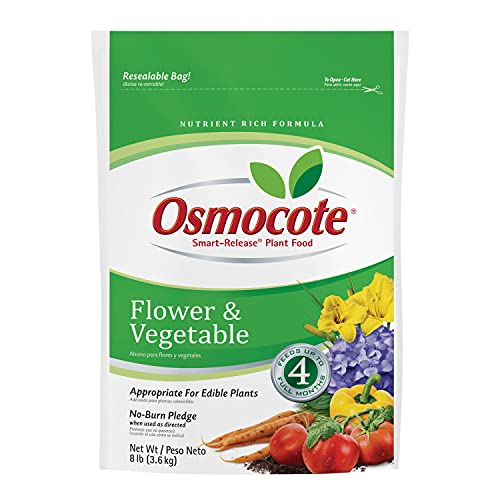
Osmocote Smart-Release Plant Food 8 lb for flowers & vegetables
Osmocote
Budget
FoxFarm liquid fertilizer trio: Tiger Bloom, Grow Big, Big Bloom (3x1 pint)
FoxFarm
Budget
SUPERthrive Plant Vitamin Solution 1 Pint
SUPERthrive
Budget
FoxFarm Grow Big Liquid Plant Food for Vegetative Growth
FoxFarm
Budget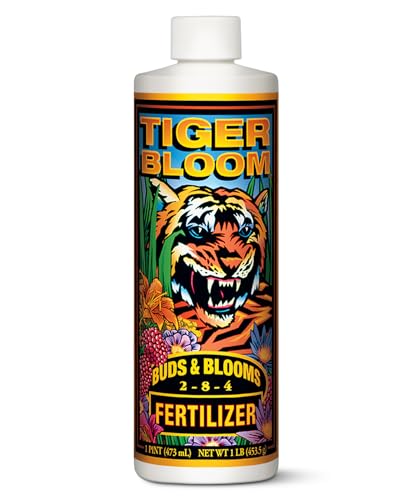
FoxFarm Tiger Bloom Liquid Fertilizer Concentrate - 2-8-4 (Quart)
FoxFarm
Budget
Botanicare Cal-Mag Plus calcium, magnesium & iron plant supplement
Botanicare
Mid-Range
Xtreme Gardening Mykos Mycorrhizal Fungi Root Stimulator
Xtreme Gardening
Budget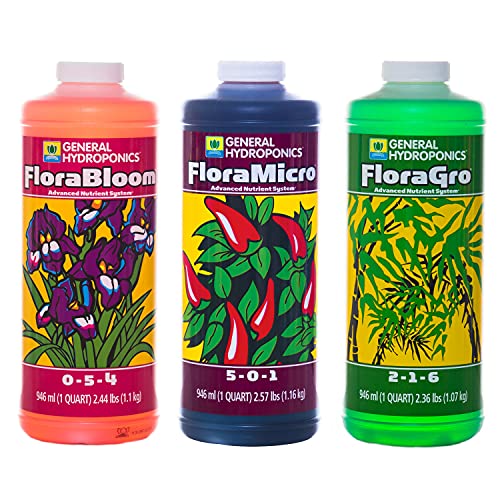
FloraSeries Hydroponic Nutrient Trio (FloraMicro, FloraBloom, FloraGro) 1 qt
General Hydroponics
Budget
General Hydroponics Flora Series 3-Part Nutrient System
General Hydroponics
Budget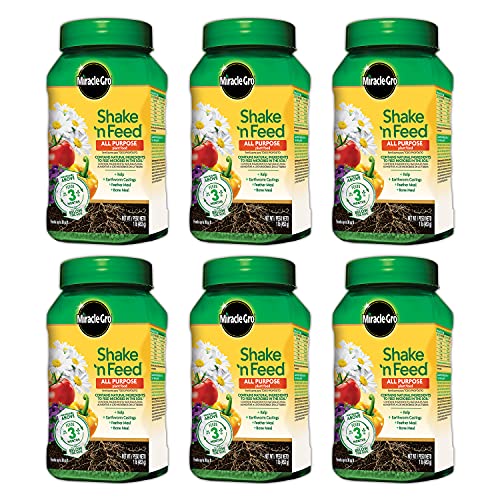
Miracle-Gro Shake 'N Feed all purpose plant food
Miracle-Gro
Budget
FoxFarm Fertilizer Soil Trio: Tiger Bloom Grow Big Big Bloom (3x32 oz)
FoxFarm
Mid-Range
Miracle-Gro Tomato Plant Food 6 Pack 1.5 lb
Miracle-Gro
Budget
Jobe's Organics Granular Rose Fertilizer 16 lb
Jobe's Organics
Budget
Jack's Classic Blossom Booster Water-Soluble Fertilizer 4lbs
Jack's Classic
Budget
Jack's Classic 20-20-20 All Purpose Water-Soluble Fertilizer
Jack's Classic
Mid-Range
Miracle-Gro Blooming Houseplant Food, 8 oz (6-Pack)
Miracle-Gro
Budget
BioAdvanced rose and flower fertilizer concentrate 64 oz
BioAdvanced
Budget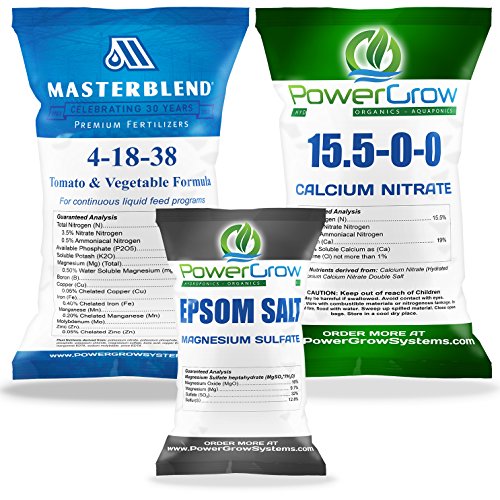
MASTERBLEND 4-18-38 Complete Combo Kit Fertilizer (12.5 lb kit)
MasterBlend
Budget
Bloom City Cal-Mag Growing Fertilizer, 1 gal
Bloom City
Budget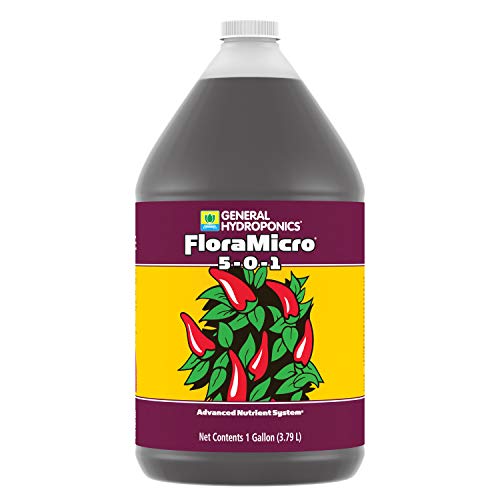
Flora Micro 1 Gallon nutrient supplement
General Hydroponics
Budget
Myco Bliss Powder: 5-strain mycorrhizal inoculant for plants
plantonix
Budget
Myco Bliss Granular 2lb – 5-strain mycorrhizal inoculant
plantonix
Budget
Flower Fuel 1-34-32 fertilizer for larger harvests
Element Nutrients
Mid-RangeRoundups
Frequently Asked Questions
How do I choose the right fertilizer type for my garden (vegetables, flowers, lawn, or containers)?
Match the fertilizer formulation to plant needs: high-nitrogen blends for leafy lawns and leafy vegetables, higher phosphorus for flowering and fruiting plants, and balanced or slow-release formulas for mixed beds and containers; check product labels for N-P-K ratios and suitability for specific plant categories
Should I use granular, liquid, or slow-release fertilizer and what are the pros and cons?
Granular fertilizers (organic or synthetic) are easy to apply and can be slow- or fast-release; liquids deliver nutrients quickly for foliar feeding or container plants; slow-release options provide steadier nutrient supply and reduce burn risk but typically cost more upfront
How often should I fertilize my garden and how much should I apply?
Follow the product label, but general guidelines are: slow-release granular every 2–3 months, soluble/lquid feed every 2–4 weeks during active growth, and light maintenance applications for established plants; avoid overapplication — more frequent, lighter doses are safer than heavy single doses
How can I tell if my soil needs fertilizer and which nutrients are lacking?
Conduct a soil test to measure pH and nutrient levels (N, P, K, and often micronutrients); visual signs like yellowing leaves, poor growth, or weak flowering can indicate deficiencies but are not definitive without testing
Are organic fertilizers better for my garden than synthetic ones?
Organic fertilizers release nutrients more slowly, improve soil structure and microbial life, and are generally lower risk for burns, while synthetic fertilizers provide precise, fast-acting nutrient delivery; choice depends on goals for soil health, speed of results, and budget
What safety and storage precautions should I follow when using garden fertilizers?
Store dry fertilizers in a cool, dry, child- and pet-safe location, keep liquids tightly sealed, use gloves and avoid inhaling dust during application, follow label instructions for protective equipment, and prevent runoff into storm drains or waterways
How does price typically vary and what should I expect to pay for garden fertilizer?
Prices vary by type, brand, and quantity — expect budget options under $50 and specialty or larger-volume products to cost more; average product pricing in this category tends to be in the mid-range, so compare cost per usable unit (pounds or gallons) when evaluating value