Garden Mulch
Garden Mulch covers bulk and bagged mulches—pine straw, colored and natural wood mulches, and straw products—for landscaping and erosion control. The category indexes 69 products with an average rating of 4.41 and price range roughly $32–$600, featuring brands like USA PINESTRAW
Top Products
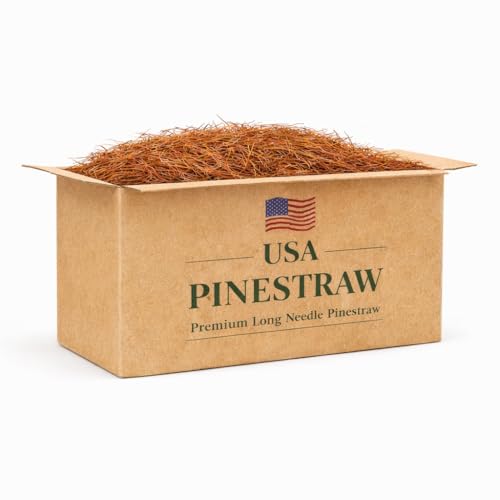
USA Premium Pine Straw Mulch - Pine Needle Mulch
USA PINESTRAW
Budget
EZ-Straw Seeding Mulch with Tackifier, 2.5 cu ft bale
EZ Straw
Budget
Pine Straw Mulch - Premium Pine Needle Mulch (65-80 sq ft 2-set)
USA PINESTRAW
Mid-Range
Longleaf Pine Straw Roll for Landscaping - Brown UV Resistant
Colored Pine Straw
Mid-Range
Longleaf Pine Straw Roll for Landscaping - Non-Colored
Colored Pine Straw
Mid-Range
Easihold Gravel Binder 1.3 Gal by Vuba
Vuba
Mid-Range
Rubberific shredded rubber mulch for gardens, brown (0.8 cu ft, 16 lbs)
IMC
Budget
Pine Bark Mulch Nuggets for Indoor/Outdoor use (30 qt) by Soil Sunrise
Soil Sunrise
Budget
Legigo Coconut Fiber Tree Ring Muck Protector (6pcs) 24 inch
Legigo
Budget
Legigo Coconut Fiber Mulch Ring Tree Protector (4pcs) 30 Inch
Legigo
Budget
Mulch & Rock Bond - Adhesive Spray for Mulch, Rock & Gravel (1 gal)
Landscape Loc
Budget
Rubberific premium shredded rubber mulch for gardens
IMC
Budget
Rubberific Shredded Rubber Mulch, 0.8 cu ft, black
IMC
Budget
GardenStraw 3 cu ft Wheat Straw Mulch for Gardens
HealthiStraw
Budget
EZ-Straw Seeding Mulch with Tack, 2 bales (2.5 cu ft each)
EZ Straw
Mid-Range
Mulch Glue for Landscaping - Non-Toxic Rock & Mulch Binder (1 Gallon)
Sudale
Budget
Rock Glue for Landscaping - Mulch & Gravel Stabilizer 1.32 gal
Twtell
Mid-Range
Garden Elements straw bale, medium, 22" – natural mulch
Garden Elements
Budget
USA Pine Straw Mulch Covers 240 Sqft
USA PINESTRAW
Mid-Range
Garden Elements Cocoa Bean Shell Mulch, 2 cu ft
Garden Elements
Budget
HealthiStraw GardenMulch 3 cu ft — 100% non-GMO wheat straw mulch
HealthiStraw
Budget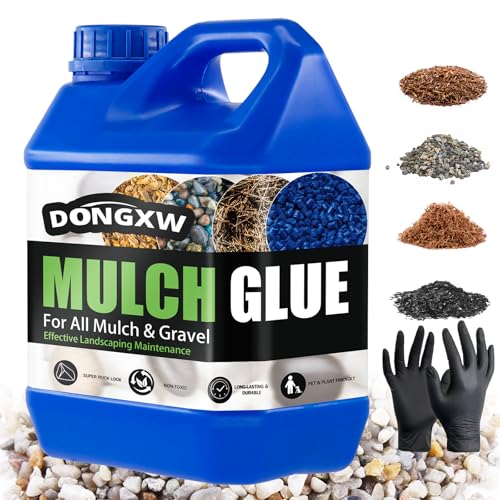
Rock glue for landscaping - mulch glue for rocks and mulch
Dongxw
Budget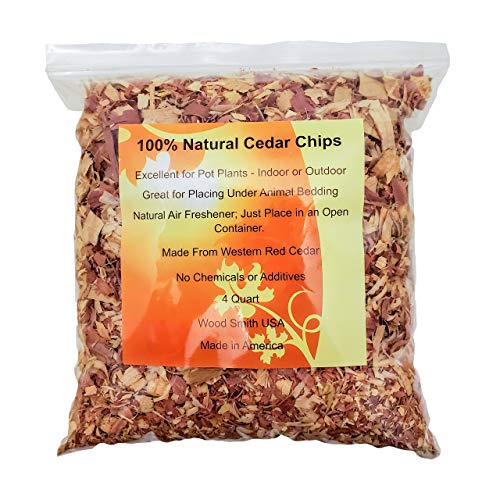
100% Natural Cedar Shavings Mulch for Outdoors or Indoor Plants
Wood Smith USA
Budget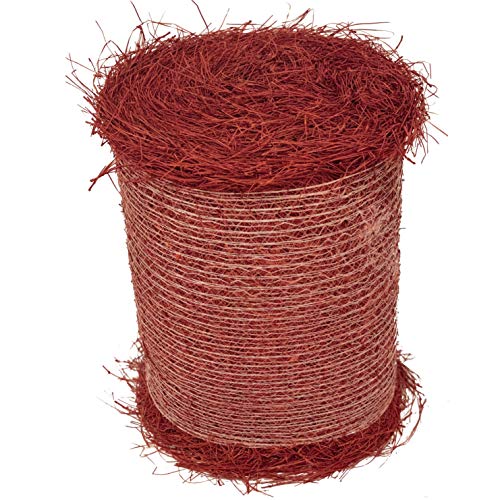
Longleaf Pine Straw Roll for Landscaping - Red UV Resistant
Colored Pine Straw
Mid-RangeRoundups
Frequently Asked Questions
How do I choose the right type of mulch for my garden beds?
Choose based on plant needs and appearance: organic mulches (bark, wood chips, pine straw) conserve moisture, improve soil as they decompose, and suit flower beds and shrubs; inorganic mulches (gravel, rubber) are long-lasting and work well for pathways or xeriscaping. Consider pH impact (pine straw can slightly acidify soil), weed suppression, and how often you want to replenish the material
What depth of mulch should I apply and how often should I replenish it?
Apply a 2–4 inch layer for most organic mulches; 1–2 inches is sufficient for gravel or rubber. Replenish organic mulch every 6–12 months as it decomposes or settles, and top up thinner spots after heavy rain or windy seasons
Will mulch affect soil drainage or cause root rot?
Properly applied mulch improves moisture retention while allowing drainage; avoid piling mulch directly against stems or trunks (volcano mulching) because that can trap moisture and cause rot. Use moderate thickness and maintain a small bare zone around trunks and crown to prevent excess moisture contact
How does mulch influence weed growth and pest activity?
A 2–4 inch layer of mulch suppresses many weeds by blocking light and impeding seed germination. Some mulches can provide shelter for slugs or rodents if piled too thickly or placed near foundations; choosing coarse-textured mulches and keeping mulch away from building walls reduces pest harborage
What are the cost considerations and typical price range for garden mulch?
Mulch prices vary by type, volume, and brand; expect budget options under $50 for small bags and larger or specialty mulches that can cost substantially more per unit. Buying bulk by cubic yard is typically more economical for large areas, while bagged mulch is convenient for small jobs
Is colored or dyed mulch safe for plants and pets?
Most commercially dyed mulches use colorants formulated for landscaping and are safe for plants when used as directed, but avoid inhaling dust when handling and check manufacturer guidance if you have concerns about pets or edible gardens. For edible beds, many gardeners prefer undyed organic mulches to avoid any uncertainty
How should I store leftover mulch and how long does it last?
Store unused mulch in a dry, covered area on a non-porous surface or in sealed bags to prevent mold and nutrient loss; organic mulches can last several months to a few years depending on type and exposure, while inorganic mulches maintain appearance much longer with minimal breakdown