Grass Seed
Grass Seed products for lawn repair and establishment, including turf blends, overseeding mixes, and specialty varieties for sun, shade, and drought tolerance. The category spans budget to mid‑range and premium options (117 products, avg rating 4.25) and features brands like Scotts and Jonathan Green
Top Products

Wheatgrass Seeds, Non GMO, USA Grown (10 lb) by Easy Peasy
Easy Peasy
Budget
Cat Grass Growing Kit with Organic Seed Mix & Planters
The Cat Ladies
Budget
Thunder Acres Cat Grass Blend - Wheat, Barley, Oats, Rye Seed Mix
Thunder Acres
Budget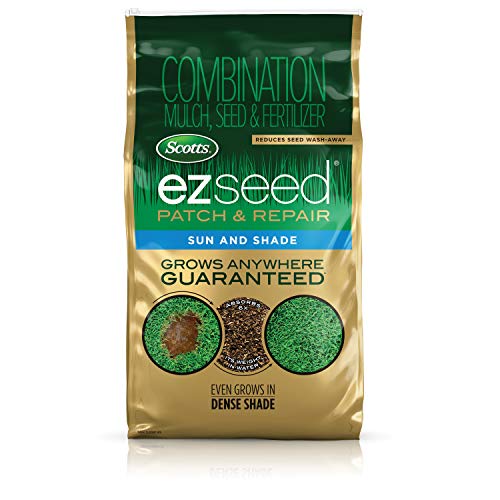
Scotts EZ Seed Patch & Repair for Sun and Shade
Scotts
Budget
Scotts EZ Seed Patch & Repair for Sun and Shade
Scotts
Mid-Range
Scotts Turf Builder Grass Seed Sun & Shade Mix with Fertilizer
Scotts
Budget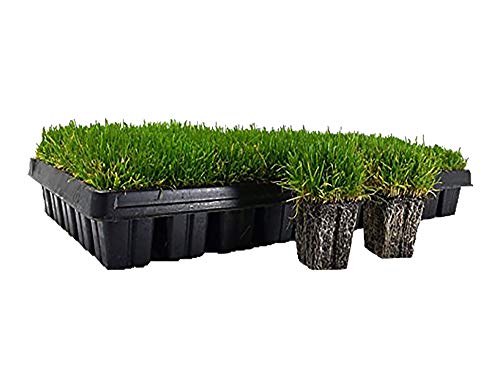
Zoysia Plugs - 50 Large Grass Plugs for Low Maintenance Lawn
ZoysiaPlug.com
Mid-Range
Scotts Turf Builder Perennial Ryegrass Mix with Fertilizer and Soil Improver
Scotts
Budget
Black Beauty Ultra Grass Seed for cool-season lawn mix
Jonathan Green
Budget
Scotts Turf Builder Pacific Northwest Grass Seed Mix
Scotts
Budget
Scotts EZ Seed Patch & Repair Sun and Shade
The Scotts Company LLC
Mid-Range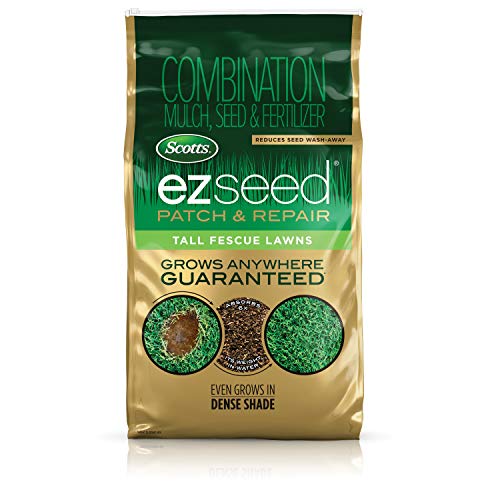
Scotts EZ Seed Patch & Repair Tall Fescue Lawns 10 lb
Scotts
Budget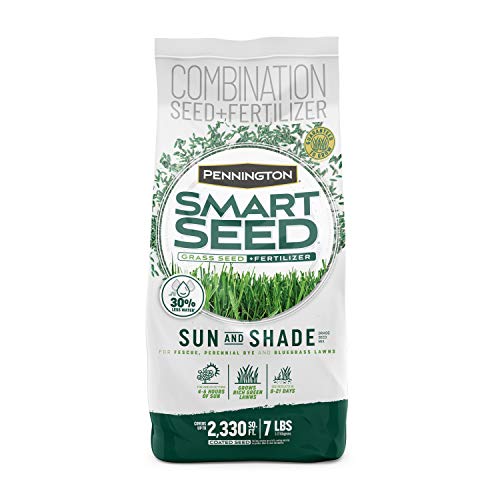
Pennington Sun and Shade Grass Seed Mix 7 lb
Pennington
Budget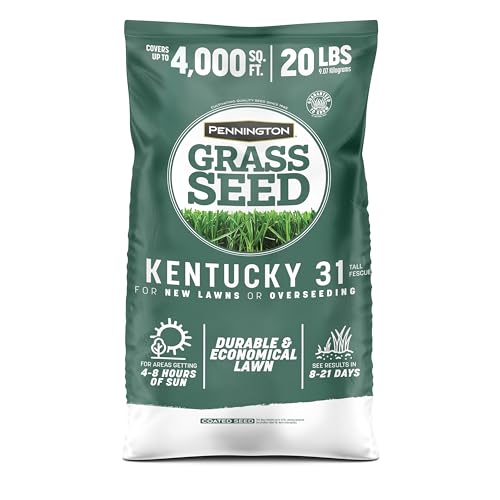
Pennington Kentucky 31 Tall Fescue Grass Seed
Pennington
Budget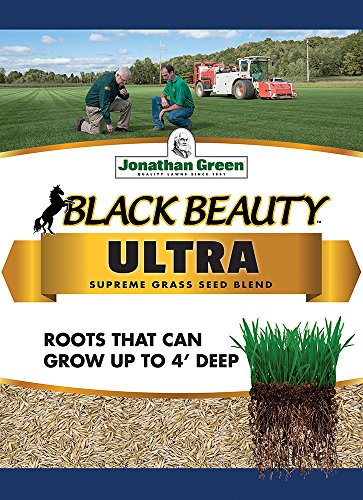
Jonathan Green Black Beauty Ultra Grass Seed 7 lb
Jonathan Green
Budget
Pennington Northeast Grass Seed Mix 7 lb
Pennington
Budget
Jonathan Green Black Beauty Fall Magic Grass Seed 7 lb
Jonathan Green
Budget
Jonathan Green Fast Grow Grass Seed - Cool Season Lawn Seed
Jonathan Green
Mid-Range
Tall Fescue Blend Grass Seed with Fertilizer & Soil Improver
Scotts
Budget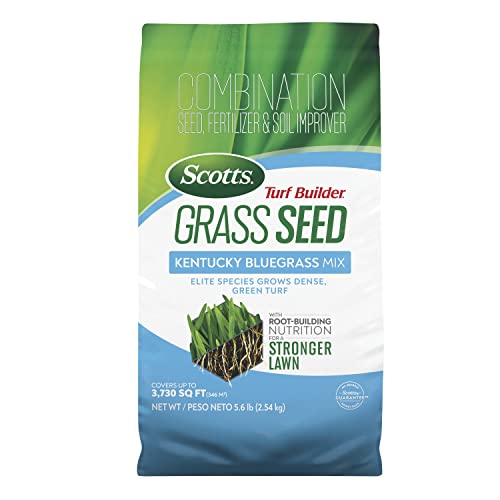
Scotts Turf Builder Kentucky Bluegrass Seed Mix with Fertilizer
Scotts
Mid-Range
No-Till winter rye cover crop seeds, non-GMO grass seed
CZ Grain
Budget
No-Till Clover Seed Cover Crop Blend (12 species) 3 lb
BUILD A SOIL
Mid-Range
Scotts Turf Builder Sun & Shade Grass Seed Mix with Fertilizer
Scotts
Mid-Range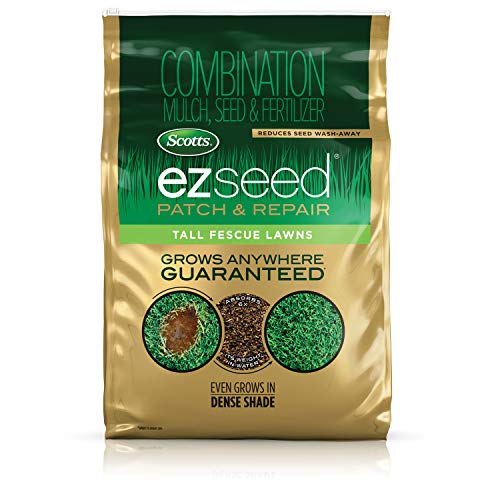
Scotts EZ Seed Patch & Repair Tall Fescue Lawn mix
Scotts
Mid-RangeRoundups
Frequently Asked Questions
How do I choose the right type of grass seed for my lawn?
Select seed based on your climate (cool-season vs. warm-season), sun exposure (full sun vs. shade-tolerant mixes), intended use (ornamental vs. high-traffic/turf), and soil type; check the seed’s species blend (e.g., Kentucky bluegrass, fescue, rye) and purity/germination rates listed on the label
How much grass seed do I need for my yard?
Calculate lawn square footage and use the seeding rate on the product label—typical rates range from 2 to 10 pounds per 1,000 sq ft depending on species and whether overseeding or new lawn; many labels include coverage charts to guide quantity
What should I expect for cost when buying grass seed?
Prices vary by seed type, blend, and bag size; shoppers generally find options from budget small bags under $50 to larger or specialty blends costing more, with average price points in the middle range around industry averages for consumer lawn seed
When is the best time to plant grass seed?
Plant cool-season grasses in early fall or early spring when soil temperatures are moderate, and plant warm-season grasses in late spring to early summer after soil has warmed; timing affects germination and establishment success
How should I prepare and care for seeded areas for best germination?
Prepare soil by removing debris, loosening topsoil, and leveling; apply seed evenly, lightly rake or roll to ensure seed-to-soil contact, keep soil consistently moist until seedlings are established, and avoid heavy foot traffic during germination
Are there grass seed options for shady yards or high-traffic areas?
Yes—look for shade-tolerant mixes often containing fine fescues and low-growing grasses for shaded sites, and high-traffic or wear-tolerant blends that include ryegrasses or durable turf varieties designed to recover from foot traffic
What information on the seed label is most important to compare?
Compare species and variety names, purity and germination percentages, weed seed content, seeding rate, bag weight/coverage, and any certifications or regional/adaptation notes to assess quality and suitability for your lawn