Indoor Thermometers
Indoor thermometers for garden and patio monitor temperature and often humidity for greenhouses, pots, patios and outdoor-adjacent spaces. Products range from basic digital gauges to wireless smart sensors, averaging (price varies) with brands like Govee commonly represented among 42 indexed items (avg rating 4.43)
Top Products

Govee indoor hygrometer thermometer 3-pack with large LCD
Govee
Budget
Govee 3-pack Indoor Hygrometer Thermometer with Bluetooth
Govee
Budget
ThermoPro 4-Inch Indoor Hygrometer Thermometer
ThermoPro
Budget
ThermoPro 4-piece digital hygrometer with temp & humidity gauge
ThermoPro
Budget
ThermoPro Bluetooth Hygrometer Thermometer (2 Pack)
ThermoPro
Budget
SwitchBot IP65 hygrometer thermometer (3-pack)
SwitchBot
Budget
Govee WiFi Thermometer Hygrometer H5179
Govee
Budget
SwitchBot WiFi Hygrometer Thermometer with Hub
SwitchBot
Budget
SwitchBot Smart Hygrometer Thermometer (4-pack)
SwitchBot
Budget
Govee Bluetooth Hygrometer Thermometer (3 pack)
Govee
Budget
ThermoPro 3-piece digital hygrometer + temp monitor
ThermoPro
Budget
HT1 Smart Temperature & Humidity Sensor
SensorPush
Mid-Range
YoLink Smart Temp & Humidity Sensor (2-pack) with Hub
YoLink
Mid-Range
SwitchBot WiFi Thermometer Hygrometer 3-pack with Hub Mini
SwitchBot
Mid-Range
Govee WiFi Thermometer Hygrometer H5103
Govee
Mid-Range
SwitchBot Meter Pro: digital hygrometer & thermometer
SwitchBot
Mid-Range
Govee WiFi Thermometer Hygrometer H5051
Govee
Budget
LS1 Long Range Thermometer Freezer Alarm
MOCREO
Budget
MOCREO LS2 long-range thermometer with waterproof probe
MOCREO
Budget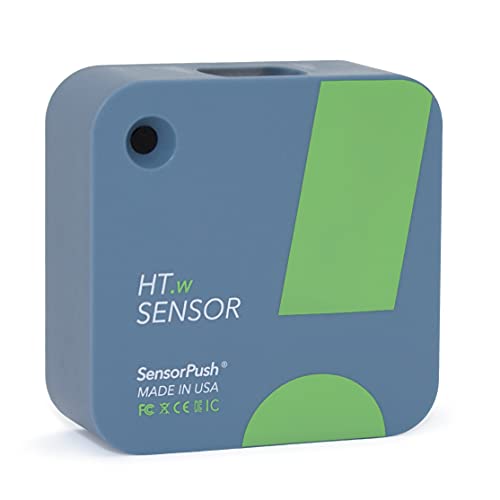
SensorPush HT.w Smart Temperature & Humidity Sensor
SensorPush
Mid-Range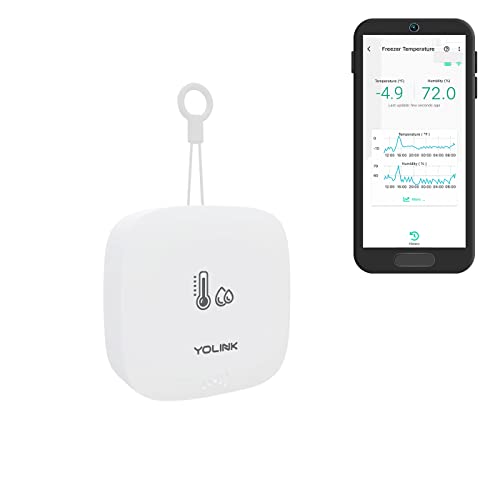
YoLink Outdoor Temp & Humidity Sensor with 1000' Range
YoLink
Budget
GoveeLife Smart Hygrometer Thermometer H5179
GoveeLife
Budget
Govee WiFi Temperature Sensor H5179 (2 Pack)
Govee
Mid-Range
GoveeLife Bluetooth Hygrometer Thermometer 3 Pack
GoveeLife
BudgetRoundups
Frequently Asked Questions
How do I choose the right indoor thermometer for my garden or patio space?
Match features to needs: pick a unit with accurate temperature and humidity sensors if you monitor plants, look for wireless or Bluetooth models for remote readings, choose weather-resistant or outdoor-rated probes for semi-outdoor locations, and consider display size and mounting options for visibility
What accuracy and sensor specifications should I look for?
Look for listed accuracy (±0.3–1.0°C or ±0.5–2°F is common for consumer models) and humidity accuracy (±2–5% RH); faster response time and a calibrated sensor improve reliability for sensitive plants
Do indoor thermometers for garden use need connectivity, and which types are common?
Connectivity is optional: Bluetooth and Wi‑Fi let you view live readings and logs on a phone, while simple battery display units are fine for on-site checks; some products support cloud logging or integrations for alerts and automation
How much should I expect to spend and what do price tiers offer?
Prices typically range from budget units under $50 for basic displays to $50–$150 for connected, higher‑accuracy sensors and multi-sensor kits; higher tiers usually add connectivity, better accuracy, longer battery life and more durable housings
Can I use indoor thermometers year-round on a covered patio?
Yes if the device or its probe is rated for the temperature and humidity extremes you expect and is protected from direct rain and sun; check IP rating or manufacturer guidance for outdoor or semi-outdoor use
What maintenance and battery considerations are important?
Replace batteries according to run-time specs or when readings become intermittent, keep sensors clean and free of dust or condensation, and recalibrate if the device supports it or if readings drift over time
How do I verify readings and compare units before buying?
Compare manufacturer accuracy specs and independent reviews, test new units against a calibrated reference thermometer after purchase, and consider user reports about long-term stability and temperature/humidity drift