Landscaping Pebbles
Landscaping Pebbles in Garden & Patio covers decorative and functional stone products—river rock, pea gravel, polished pebbles, and mulch alternatives—used for paths, beds, and containers. The category includes about 150 products with an average rating of 4.47 and price tiers from budget to premium (avg ~(price varies)); top brands include FANTIAN
Top Products

Royal Imports River Rocks 30LBS - White Decorative Gravel for Plants, Aquariums & Crafts
Royal Imports
Mid-Range
Natural decorative polished pebbles for aquariums and decor
OUPENG
Budget
20 lbs Black River Rocks for Garden — 2-3 in polished pebbles
FANTIAN
Mid-Range
White river rocks for plants and decor, 20 lb
Pulovin
Budget
White river rocks for plants and decor (15 lb)
Pulovin
Budget
White river rocks 20 lb, 1-2 in polished pebbles
FANTIAN
Mid-Range
Maifan Stone decorative rocks for succulents and terrariums
CJGQ
Budget
Decorative river rocks 20lbs, 1-2 inch polished stones
FANTIAN
Mid-Range
Decorative garden rocks for pots and landscapes, 30 lb
Pulovin
Mid-Range
River rocks for plants - 30 lbs decorative garden stones
Pulovin
Mid-Range
DALTACK 90PCS Large Painting Rocks, 2-3 in Flat Stones for Arts & Crafting
DALTACK
Budget
White Pebbles for Plants Garden 1/2 inch 18 lb
CJGQ
Budget
Polished black river rocks for decor, 1–2 in, 15 lb
TOPEMAI
Budget
40 lbs Black River Rocks for Landscaping (2-3 inch) - FANTIAN
FANTIAN
Mid-Range
White river rocks 20-lb bag 1-2 inch pebbles for plants
YISZM
Mid-Range
20lbs Natural River Rocks for Garden & Decor
Ausluru
Mid-Range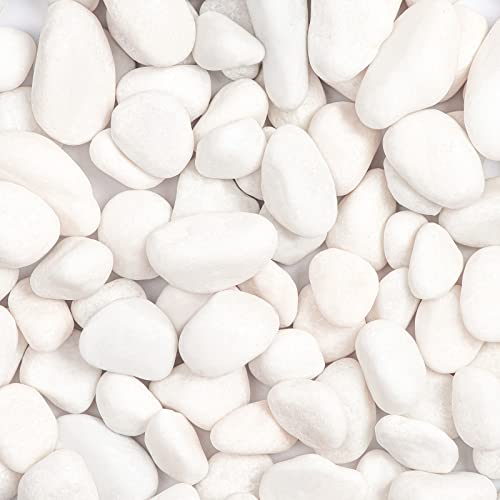
11lbs White River Rocks, Polished Pebbles for Plants and Decor
Ausluru
Budget
40 lbs River Rocks for Outdoor Landscaping (2-3 in) Natural Pebbles
FANTIAN
Mid-Range
White decorative river rocks for planters and garden
FANTIAN
Mid-Range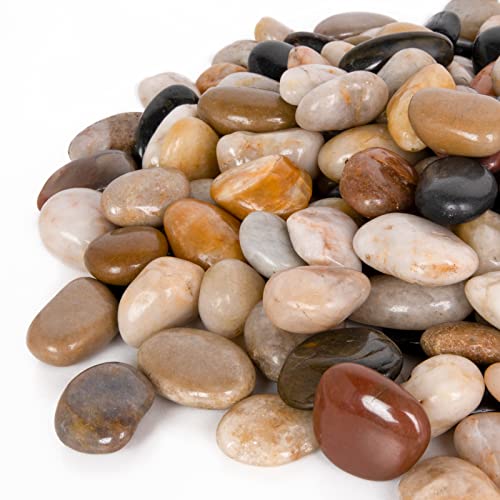
GASPRO 30 lb Decor Stone Gravel for Landscaping
GASPRO
Mid-Range
Stanbroil Tumbled Lava Rock Pebbles - 10 lb (1-2 inch)
Stanbroil
Budget
20 lb black river rocks for landscaping
FANTIAN
Mid-Range
White river rocks 40lbs for garden decor, 1-2 inch natural pebbles
YISZM
Mid-Range
20lbs Jade River Rocks for Planters & Aquariums
YISZM
Mid-RangeRoundups
- Best Landscaping Pebbles for Craft Projects (2026)
- Best Landscaping Pebbles for Vase Filler (2026)
- Best Landscaping Pebbles for Aquariums (2026)
- Best Landscaping Pebbles for Border Flower Beds (2026)
- Best Landscaping Pebbles Under $200 (2026)
- Best Landscaping Pebbles Under $100 (2026)
- Best Landscaping Pebbles Under $50 (2026)
- Best Landscaping Pebbles (2026 Guide)
Frequently Asked Questions
How do I choose the right type and size of landscaping pebbles for my garden or patio?
Choose pebbles by intended use: small 1/8–3/8 inch stones for pathways and container tops, 1/2–1 inch for general groundcover, and larger river rocks for drainage or decorative accents; consider color and texture to complement plants and hardscaping, and check whether the product is washed and screened for a consistent look
What should I expect to pay for landscaping pebbles and how do prices vary?
Prices vary by material, size, and quantity — individual bags can range from budget under $50 to several hundred dollars for bulk cubic yards; expect average per-product prices in the low hundreds when buying specialty or large-quantity options
Are landscaping pebbles low maintenance and what care do they require?
Pebbles are generally low maintenance: occasional raking to redistribute stones, removing organic debris or weeds, and adding a weed barrier fabric underneath helps; rinse or pressure-wash to remove dust or algae if needed
How much pebble material do I need for my project and how do I calculate coverage?
Measure the area (square feet) and decide the desired depth (commonly 1–3 inches); use the formula: cubic feet = area (ft²) × depth (ft); convert to cubic yards by dividing cubic feet by 27 for bulk orders or check bag coverage on product labels
What are common materials and finishes for landscaping pebbles and how do they differ?
Common options include river rock (rounded, smooth), crushed stone (angular, good for drainage), pea gravel (small, rounded), and decorative polished pebbles; choose based on aesthetics, drainage needs, and whether the surface should be walkable or stable for furniture
Can pebbles affect drainage and plant health, and how should they be installed around plants?
Pebbles can improve surface drainage but may reduce water penetration to soil if piled too deep; use a shallower layer (1–2 inches) around plant bases, avoid compacting directly against trunks or stems, and consider mulch closer to plants with pebbles as edging or pathways
Do landscaping pebbles fade or change color over time and are there treatments to preserve appearance?
Some stones can fade slightly from sun and weather, especially polished or dyed varieties; regular rinsing removes surface grime, and sealed decorative stones may retain color longer, though sealing is optional and should follow manufacturer guidance