Mealworms Bird Food
Mealworms Bird Food listings include live and dried mealworms, feeders, and supplements for wild and backyard birds, with about 55 products indexed and an average rating of 4.69. Prices span roughly $33 to $110 (avg ~(price varies)), covering budget through mid-range options; top brands include Uncle Jim's Worm Farm
Top Products

Kaytee Mealworms Bird Food for Bluebirds & more
Kaytee
Budget
Hatortempt Dried Mealworms Bulk 10 Lb Bag for Birds & Livestock
Hatortempt
Mid-Range
Dried mealworms - high protein, natural for poultry & pets
Classic Flock
Budget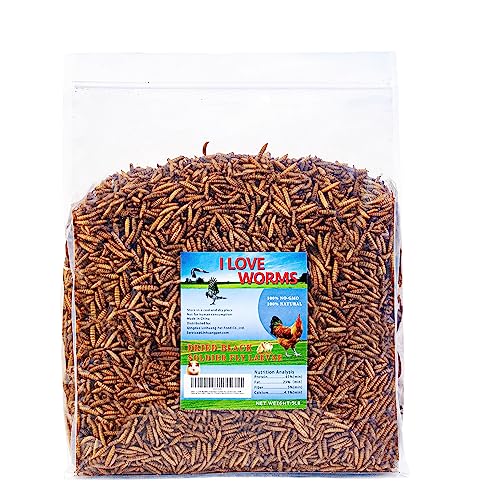
I LOVE WORMS Dried Black Soldier Fly Larvae (5lb) for Chickens
I LOVE WORMS
Budget
Dried Black Soldier Fly Larvae for Chickens, High-Calcium 85x More Calcium
COOHGRUBS
Mid-Range
5 lb WORMSKING dried mealworms for poultry and pets
WORMSKING
Budget
Dried Mealworms 5LB - 100% Natural, Non-GMO for Poultry
BUNTIE WORMS
Budget
MBTP Dried Mealworms for Chickens & Birds (5 Lbs)
Mealworms by the Pound
Budget
UCM Group 10lb Dried Mealworms for Birds & poultry
UCM GROUP UCM GROUP
Mid-Range
Dried Mealworms for Birds and Poultry - 10 lb
PICKY NEB
Mid-Range
11 LBS Dried Mealworms for Poultry & Birds
WORMSKING
Mid-Range
Dried Black Soldier Fly Larvae 10LB for Poultry & Birds
BUNTIE WORMS
Budget
Uncle Jim's Worm Farm Red Wiggler Worms 250 Count
Uncle Jim's Worm Farm
Budget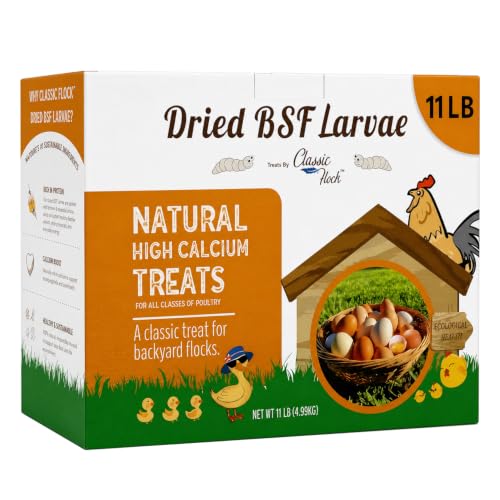
11 lb BSFL for poultry nutrition
Classic Flock
Mid-Range
Bulk Dried Mealworms 10Lb Bag - Non-GMO, 100% Natural Bird Food
NAOUTHLY
Mid-Range
Uncle Jim's Worm Farm European Nightcrawlers 250 ct
Uncle Jim's Worm Farm
Budget
Dried Black Soldier Fly Larvae for Chickens, 10 lb
WormsFarm
Mid-Range
I LOVE WORMS Dried Mealworms (5lb) - High-Protein Bird Food
I LOVE WORMS
Budget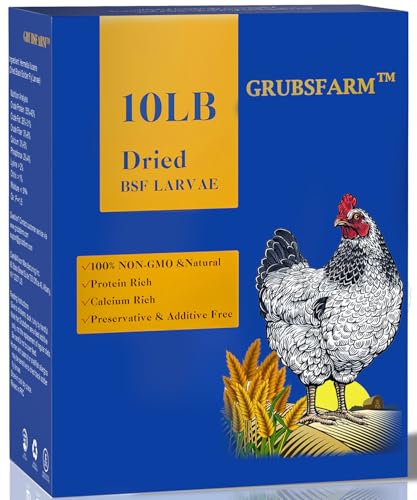
Premium Grubsfarm Chicken Treats - 10lb
GRUBSFARM
Budget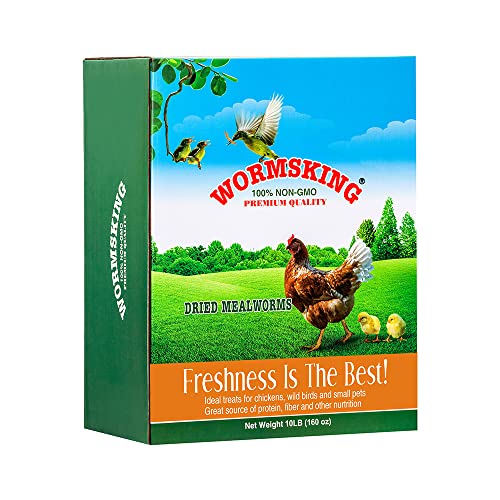
10lb Dried Mealworms for poultry and birds
WORMSKING
Mid-Range
10lbs dried black soldier fly larvae for chickens
MEILLEURE
Budget
Organic Dried Mealworms for Chickens 5 LB
BANGION
Budget
Chicken Fun-DOO Non-GMO Soy-Free Chicken Treat
LITTLE FARMER PRODUCTS
Budget
Dried black soldier fly larvae for chickens
GRUBMASTER
Mid-RangeRoundups
Frequently Asked Questions
What are mealworms and why do birds eat them?
Mealworms are the larval form of the darkling beetle and are high in protein and fat; many wild and captive birds eat them for energy, especially during breeding and molting seasons
How do I choose between dried, freeze-dried, and live mealworms?
Choose live mealworms for attracting and feeding insectivorous species and for breeding birds, freeze-dried for a long-shelf-life high-protein option that rehydrates, and dried mealworms for a balance of convenience, storage stability, and cost
What quantity and package size should I buy for feeding backyard birds?
Buy small to medium packages if you feed opportunistically (several ounces to a pound) and larger bulk packs if you feed daily or have many birds; live mealworms are often sold in smaller quantities to maintain freshness
How should I store mealworms to keep them fresh and safe for birds?
Store dried or freeze-dried mealworms in a cool, dry place in a sealed container; keep live mealworms refrigerated and provide substrate and moisture sources per supplier instructions to slow development and prevent spoilage
Are mealworms safe for all backyard bird species and pets?
Mealworms are safe for most wild and pet birds as a supplemental food but should not be the sole diet; avoid feeding to species with diets that are primarily seeds or nectar as their nutritional needs differ, and follow vet guidance for pet reptiles or fish
Do mealworms attract unwanted pests and how can I minimize that?
Mealworms can attract rodents and insects if left in open feeders or spilled; use enclosed or elevated feeders, clean feeding areas regularly, and store unused mealworms securely to reduce pest attraction
How do I compare brands and assess quality when shopping?
Compare based on form (live vs dried), production and handling practices stated by the seller, packaging and expiration information, average customer ratings, and whether the product is intended for wild birds versus feed-grade for livestock or pets