Outdoor Generators
Portable and standby outdoor generators and power stations for garden and patio use, ranging from small portable units to larger backup generators. Category includes 498 products with an average rating of 4.46 and brands like Jackery among others; prices span budget through premium
Top Products

Jackery Solar Generator 240 v2 + 40W Mini Panel
Jackery
Premium
Jackery Explorer 300 Portable Power Station
Jackery
Premium
Jackery Explorer 240 v2 Portable Power Station
Jackery
Premium
CircleCord 4 Prong Generator Extension Cord with Inlet Box
CircleCord
Budget
EF ECOFLOW Delta 2 Portable Power Station
EF ECOFLOW
Premium
Westinghouse Wheel and Handle Kit for WGen Generators
Westinghouse
Mid-Range
Travel carrying case for Jackery Explorer 500, waterproof bottom
Trunab
Budget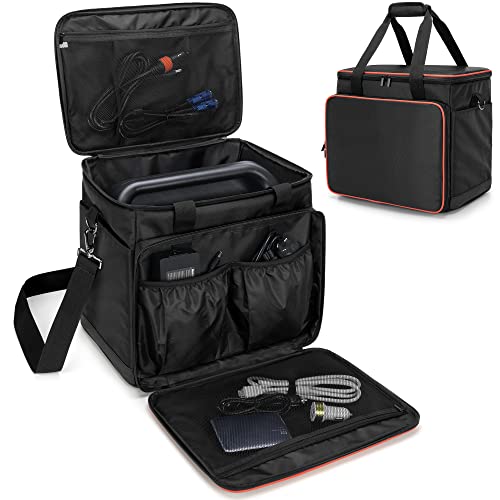
Travel carrying bag for portable power stations (Jackery Explorer 1500 compatible)
Trunab
Budget
Jackery Explorer 1000 v2 Portable Power Station (LiFePO4, 1070Wh)
Jackery
Premium
Trunab travel carrying case for Jackery Explorer 1000
Trunab
Budget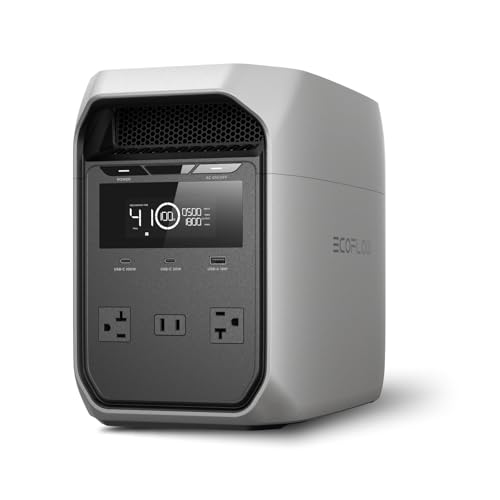
EF ECOFLOW Delta 3 Classic Portable Power Station
EF ECOFLOW
Premium
MARBERO 172Wh Solar Generator with 40W Panel, Portable Power Station
MARBERO
Mid-Range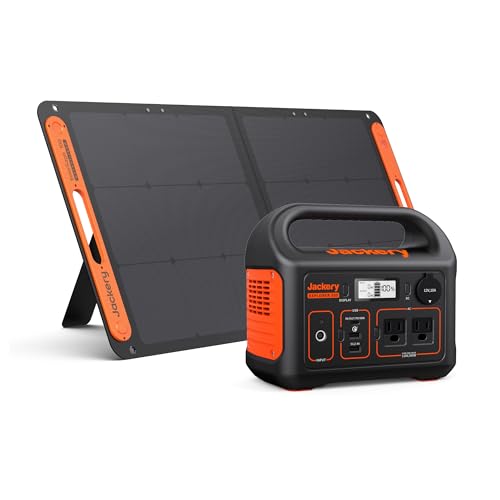
Jackery Solar Generator 300 with 100W SolarSaga panel
Jackery
Premium
Jackery Explorer 500 Portable Power Station
Jackery
Premium
Westinghouse 2800W Portable Inverter Generator
Westinghouse
Premium
EF ECOFLOW Delta 3 Portable Power Station
EF ECOFLOW
Premium
Jackery Explorer 300 Portable Power Station with 293Wh
Jackery
Premium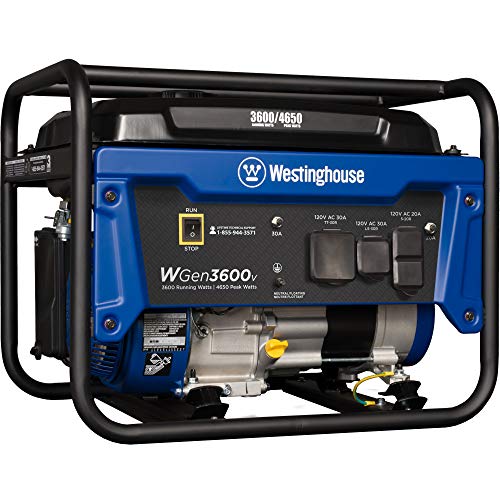
Westinghouse 4650W Peak Portable Generator, RV Ready
Westinghouse
Premium
Jackery Explorer 500 portable power station + 16.4 ft extension
Jackery
Premium
Westinghouse WGen5300 Wheel & Handle Kit for Portable Generators
Westinghouse
Mid-Range
Carrying case for portable power stations (bag only) by LEFORZ
LEFORZ
Budget
Anker SOLIX C200X Portable Power Station
Anker
Premium
WEN 2500-Watt Inverter Generator
WEN
Premium
WEN 2500-Watt Inverter Generator (56250i)
WEN
PremiumRoundups
Frequently Asked Questions
How do I choose the right outdoor generator capacity for my garden or patio?
Estimate the total wattage of devices you plan to run at once (start-up surge for motors and pumps included); choose a generator with a continuous output rating above that total and a surge rating that covers motor start watts. For common outdoor uses—lights, power tools, small fridge, and a pump—many shoppers select units rated 2,000–5,000 watts, while whole-house or large workshop needs typically require higher-capacity models
What are the main fuel types and how do they compare for outdoor use?
Portable outdoor generators commonly use gasoline, propane, diesel, or are battery-electric (portable power stations). Gasoline offers high power density but requires stabilizing if stored; propane stores longer and runs cleaner but has lower energy density; diesel is fuel-efficient for heavy loads; battery-electric models are quiet and emission-free but have limited runtime tied to battery capacity
How important is noise level and how do I compare models?
Noise levels are measured in decibels (dB); inverter and battery-electric generators are generally much quieter than conventional gas or diesel units. Look for published dB ratings at a standard distance (often 7 meters/23 feet) and compare those numbers—lower values are quieter—and check for features like sound-dampening enclosures and eco or economy modes that lower RPM and noise
What safety and installation considerations should I know before using an outdoor generator?
Always run generators outdoors in well-ventilated areas away from doors, windows, and vents to prevent carbon monoxide buildup; use carbon monoxide detectors in nearby structures. Follow grounding and overcurrent protection instructions, never backfeed a home’s electrical panel without a transfer switch installed by a qualified electrician, and place the unit on a stable, level, non-combustible surface
How do I estimate runtime and fuel consumption for outdoor generators?
Runtime depends on load and fuel capacity—manufacturers often list hours at 25% or 50% load; as a rule, heavier loads reduce runtime proportionally. For battery-electric units, runtime is battery capacity (Wh) divided by device wattage; for fuel generators, check fuel tank size and fuel burn rate at the expected load to estimate hours of operation
What maintenance is required to keep an outdoor generator reliable?
Routine maintenance includes regular oil and filter changes, spark plug inspection, air filter cleaning or replacement, fuel stabilization for long storage, battery checks for electric-start models, and periodic load testing. Follow the manufacturer’s maintenance schedule and store the generator covered in a dry, ventilated area when not in use
Are inverter or conventional generators better for sensitive electronics on a patio?
Inverter generators and high-quality battery-electric units provide cleaner, more stable power (lower total harmonic distortion) and are better suited for sensitive electronics such as phones, laptops, and audio equipment. Conventional generators can power electronics but may require additional power conditioning to ensure safe voltage and frequency stability