Plant Germination Trays
Seed-starting and propagation trays, cell inserts, humidity domes, and related propagation systems for indoor and greenhouse germination. The category spans budget through mid-range kits (70 products, avg rating 4.52) with brands like RooTrimmer represented. Average price sits around $51 across the assortment
Top Products

Gardzen 10-set Seed Tray Kit with 400-cell starter trays
Gardzen
Budget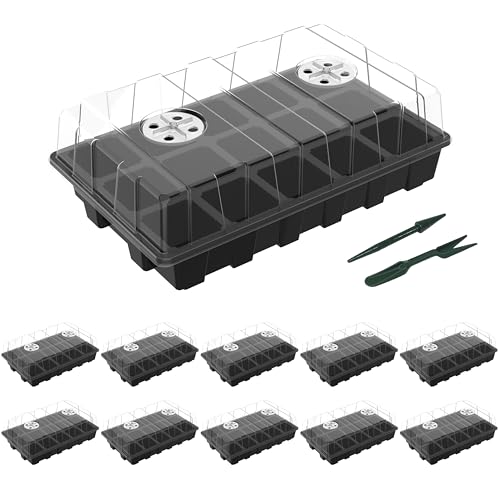
Gardzen 150-cell seed starter trays with humidity domes
Gardzen
Budget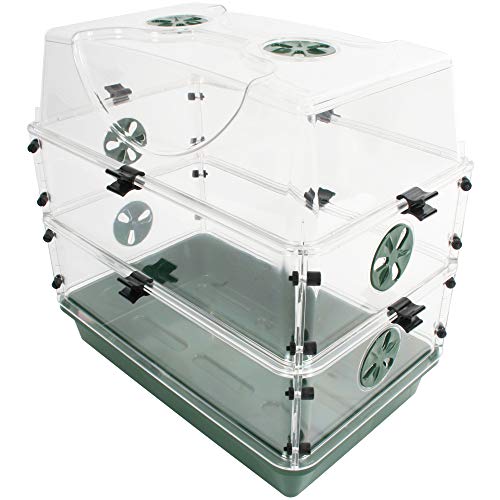
Medium domed propagator with vented extensions
EarlyGrow
Budget
Sondiko Seed Starter Tray with Grow Light (2 Pack)
Sondiko
Budget
EarlyGrow domed propagator with height extension
EarlyGrow
Budget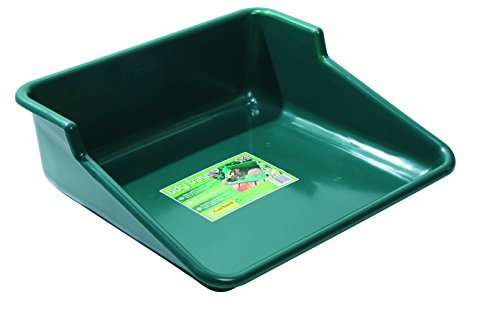
Garden Tidy Tray, green, 24.5 x 22 x 8 in, recycled plastic
Tierra Garden
Mid-Range
AC Infinity Humidity Dome with 5x8 Seedling Tray
AC Infinity
Budget
The Hydroponic City Seed Starter Tray 1440 Cells (240 Trays) + Plant Stakes
The Hydroponic City
Budget
24-cell nursery pots trays set (17x11) with seed starter trays
RooTrimmer
Budget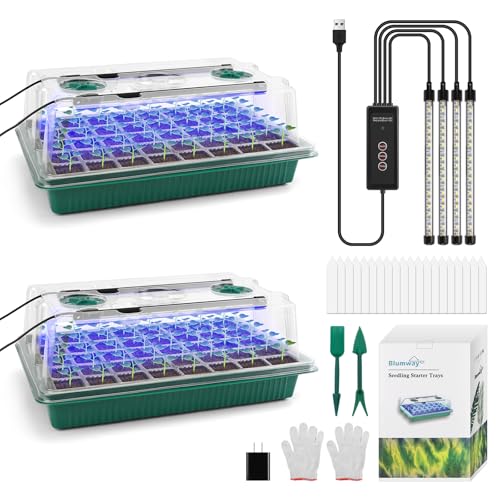
BlumWay Seed Starter Tray with Grow Light 2 Pack
BlumWay
Budget
Tierra Garden Square Tray 23.5in Drip/Spillage Tray (Black)
Garland
Budget
Seed Starter Tray 60-Cells with Grow Light & Self-Watering (5 Pack, Green Base)
YJXFON
Budget
Seed Starter Tray with Grow Lights and Humidity Dome
RooTrimmer
Budget
1020 seed starter trays, extra thick, no holes, reusable
RooTrimmer
Budget
Heavy duty seed starter trays with 5in tall domes (3-pack)
RooTrimmer
Budget
Bootstrap Farmer Microgreen Trays 1020, no holes, 5 pack
Bootstrap Farmer
Budget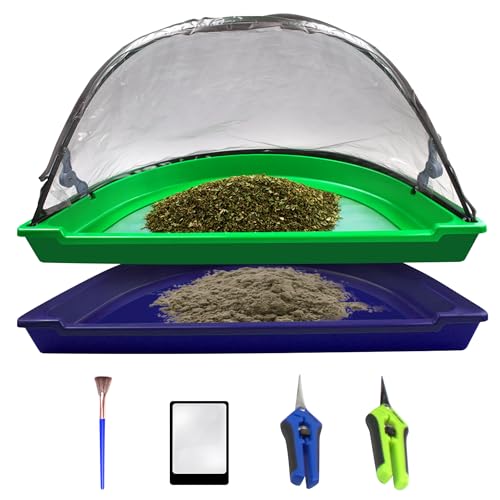
Trim Tray Bin with 150 micron screen and protective cover
Trim-Daddy
Budget
Nothers RooTrimmer 50 Cell Seedling Trays (10pcs Pack) 54cm x 28cm
Nothers
Budget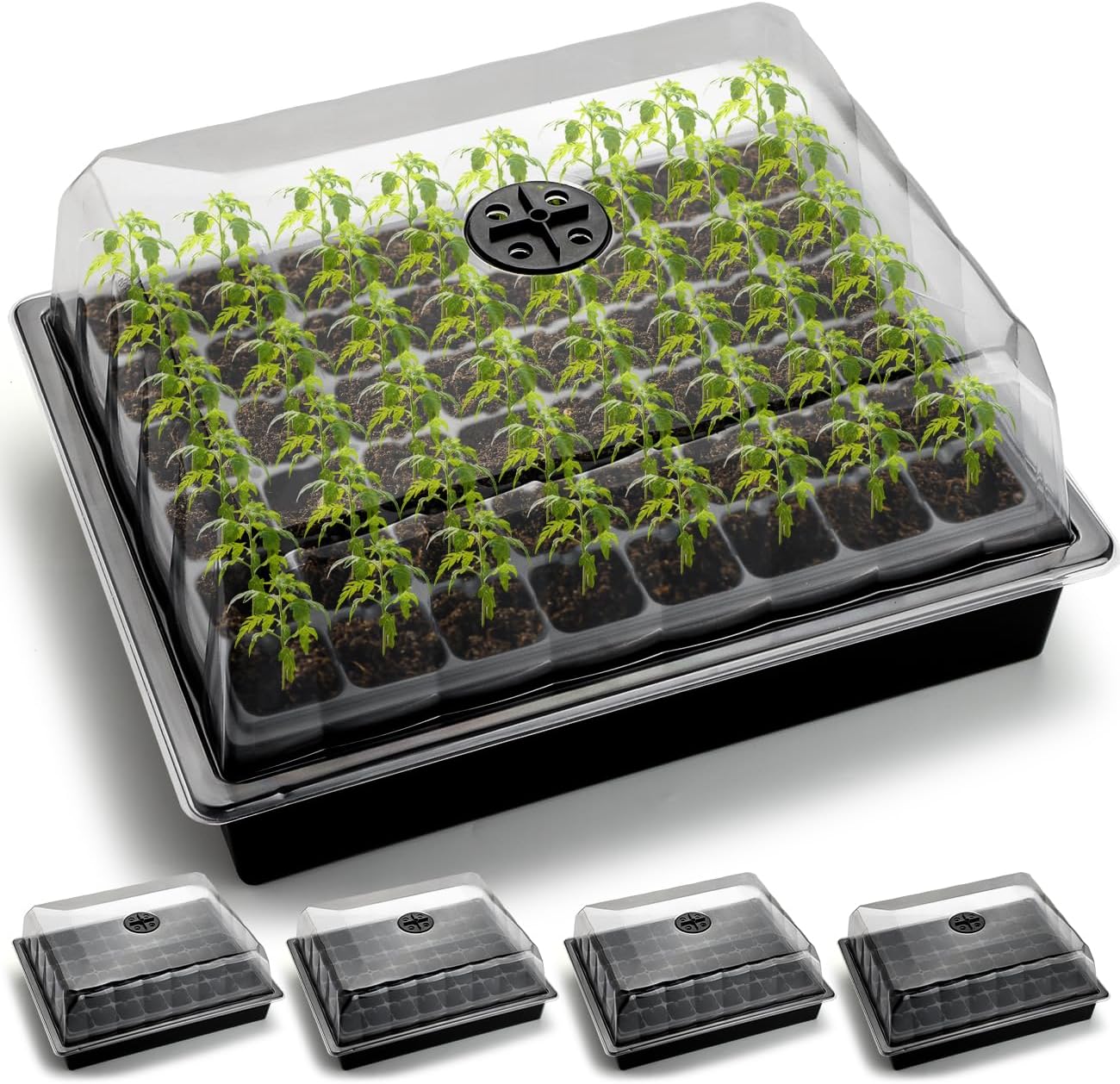
5-pack seed starter trays with 4" humidity dome, 240 cells
RooTrimmer
Budget
10Pcs 128 Cell Seed Starter Trays, 1020 compatible
RooTrimmer
Budget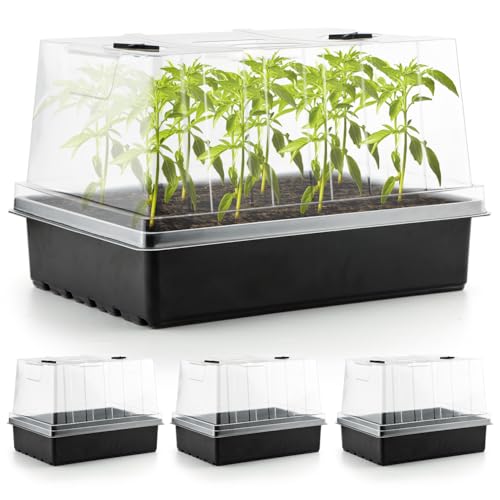
4-Pack Seed Starter Trays with 5" Humidity Domes
RooTrimmer
Budget
10 Pack 32-Cell Seed Starter Trays, deep 4.33", fits standard 1020 flats
RooTrimmer
Budget
1020 plant growing trays 10 pack heavy duty 21x11in without holes
RooTrimmer
Budget
Large Bamboo Seed Storage Box with Double-Layer Seal, Lid, and Handles
Intarsio
BudgetRoundups
Frequently Asked Questions
How do I choose the right germination tray size and cell configuration for my needs?
Select tray size based on available space and number of seedlings; larger flats (multiple cells) are good for many small seedlings, while individual plug trays (32–128 cells) suit high-density sowing and transplanting. Consider cell volume for root development—deeper/wider cells work better for larger seedlings or longer grow-out before transplanting
What materials and drainage features should I look for in a germination tray?
Look for sturdy, food-grade plastic or biodegradable options with built-in drainage holes or removable domes with venting to manage moisture. Trays with a separate drip tray help retain excess water without waterlogging the seed medium
Do I need a humidity dome or heat mat, and how do they affect germination?
Humidity domes maintain consistent moisture and speed germination for moisture-sensitive seeds; vents allow humidity control. Heat mats provide bottom heat to raise soil temperature for warm-germinating species and can improve germination rates when used with thermostatic control
How do I care for and clean germination trays between uses?
Remove soil and plant debris, wash with hot soapy water, then disinfect with a 10% bleach solution or horticultural disinfectant for 10–15 minutes, rinse thoroughly, and dry before reuse to reduce pathogen carryover. Replace damaged trays to prevent contamination and poor drainage
What should I consider when budgeting for germination trays and accessories?
Budget for trays, seedling mix, trays or domes, and optional heat mats or grow lights; basic trays and domes are commonly available under $50, while complete setups with lights and mats cost more. Factor in reusability—durable trays cost more upfront but can lower long-term costs compared with single-use biodegradable trays
Are reusable plastic trays better than biodegradable options?
Reusable plastic trays are more durable and cost-effective over multiple seasons and often have better drainage and fit for propagation systems, while biodegradable trays reduce plastic waste and can be planted directly into soil but may degrade faster and offer less structural support for larger seedlings
What cell size or tray type is best for starting vegetables versus flowers?
Start vegetables that will be transplanted (tomatoes, peppers) in larger cells (e.g., 72 cell or larger plugs) to allow root development; many annual flowers and small herbs can be started in smaller high-density trays (128–288 cells). Match cell size to transplant schedule—shorter grow-outs can use smaller cells